Wind Load Engineering in Coastal Homes
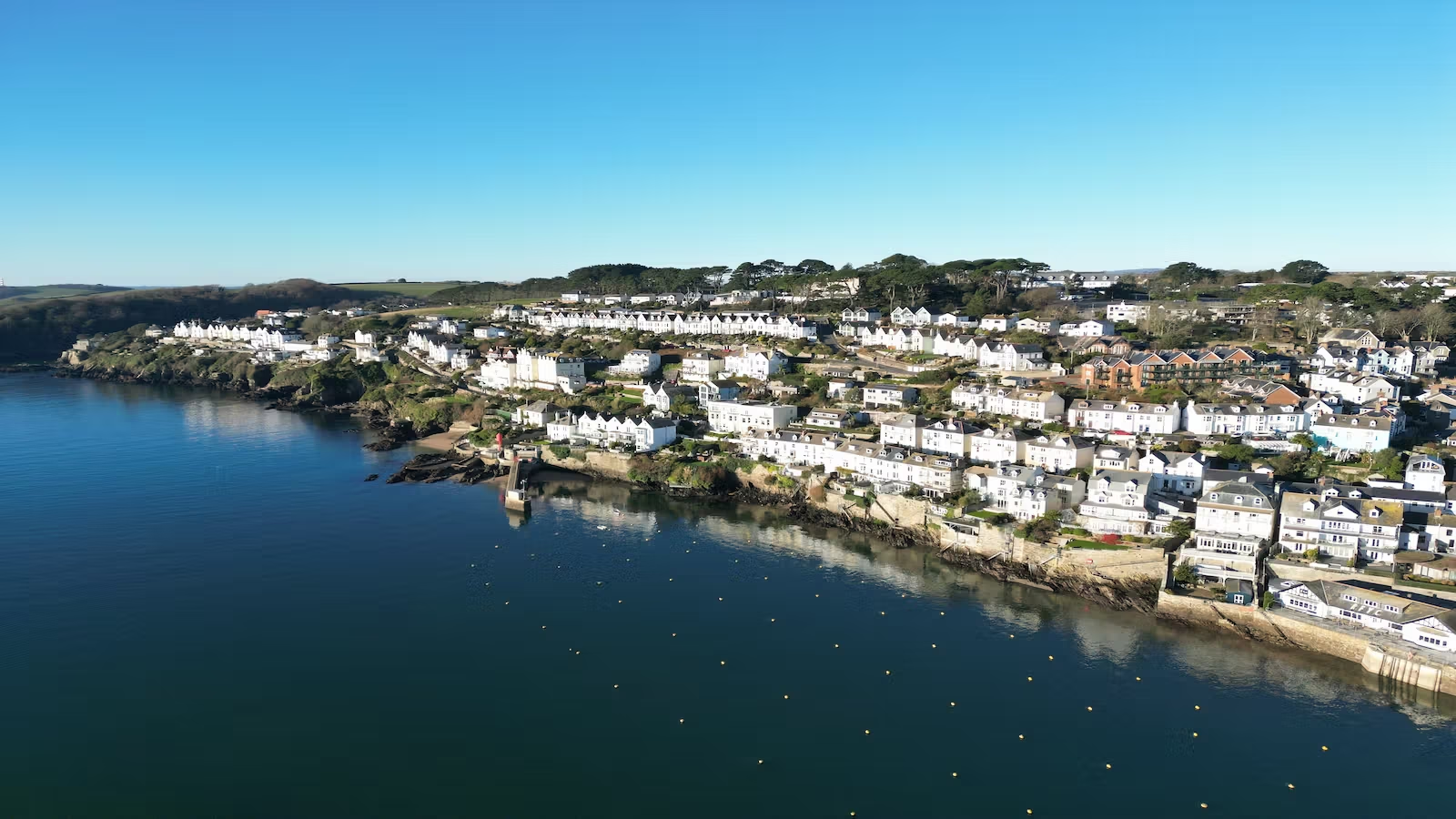
Building homes in coastal environments requires careful engineering to withstand strong winds, changing weather patterns, and exposure to the elements. One of the most important considerations in coastal architecture is wind load engineering. This process ensures that homes are designed and constructed to resist high wind pressures that are common in coastal regions.
At Warvena Construction, we specialise in building sustainable coastal homes in Cornwall using LOW CARBON & TIMBER FRAME construction methods. By combining modern engineering techniques with renewable building materials, we create homes that are both environmentally responsible and structurally resilient against coastal wind conditions.
LOW CARBON & TIMBER FRAME Construction for Coastal Strength
Using LOW CARBON & TIMBER FRAME construction offers significant advantages for coastal homes. Timber frame structures are lightweight yet strong, allowing them to distribute wind loads effectively across the building structure.
Timber frame systems also provide excellent flexibility, which helps absorb and dissipate wind forces during storms. When combined with modern structural engineering techniques, these systems allow homes to withstand high wind pressures while maintaining energy efficiency and sustainability.
Because timber is a renewable material that stores carbon, timber frame homes also significantly reduce the environmental impact of construction compared with traditional masonry structures.
What is Wind Load Engineering?
Wind load engineering is the process of designing buildings so they can safely withstand the pressure exerted by wind. In coastal regions like Cornwall, wind loads can be significantly higher than in inland locations due to open landscapes and exposure to ocean winds.
Wind load calculations consider factors such as:
- Building height and shape
- Local wind speeds and weather data
- Topography and exposure to the sea
- Structural materials and connections
- Roof design and building orientation
By analysing these factors, engineers ensure that homes remain safe, stable, and comfortable even during extreme weather conditions.
Why Coastal Homes Require Advanced Wind Engineering
Homes located near the coastline face higher wind pressures due to fewer natural wind barriers such as trees and surrounding buildings. Coastal properties also experience stronger storms and gusts during seasonal weather patterns.
Without proper engineering, wind forces can affect:
- Roof structures
- Wall stability
- Window and door systems
- External cladding materials
Wind load engineering ensures that each part of the building envelope is designed to withstand these forces while maintaining structural integrity.
Design Strategies for Wind-Resistant Coastal Homes
Successful coastal construction relies on a combination of structural engineering and smart architectural design. Several strategies help improve wind resistance in coastal homes.
- Aerodynamic building shapes that reduce wind pressure
- Reinforced structural connections between roof, walls, and foundations
- High-performance timber frame structures that distribute loads effectively
- Secure cladding systems designed for coastal exposure
- Impact-resistant glazing for windows facing strong winds
These design principles allow homes to remain stable and safe while maintaining modern architectural design and open living spaces.
Warvena Construction’s Coastal Building Expertise
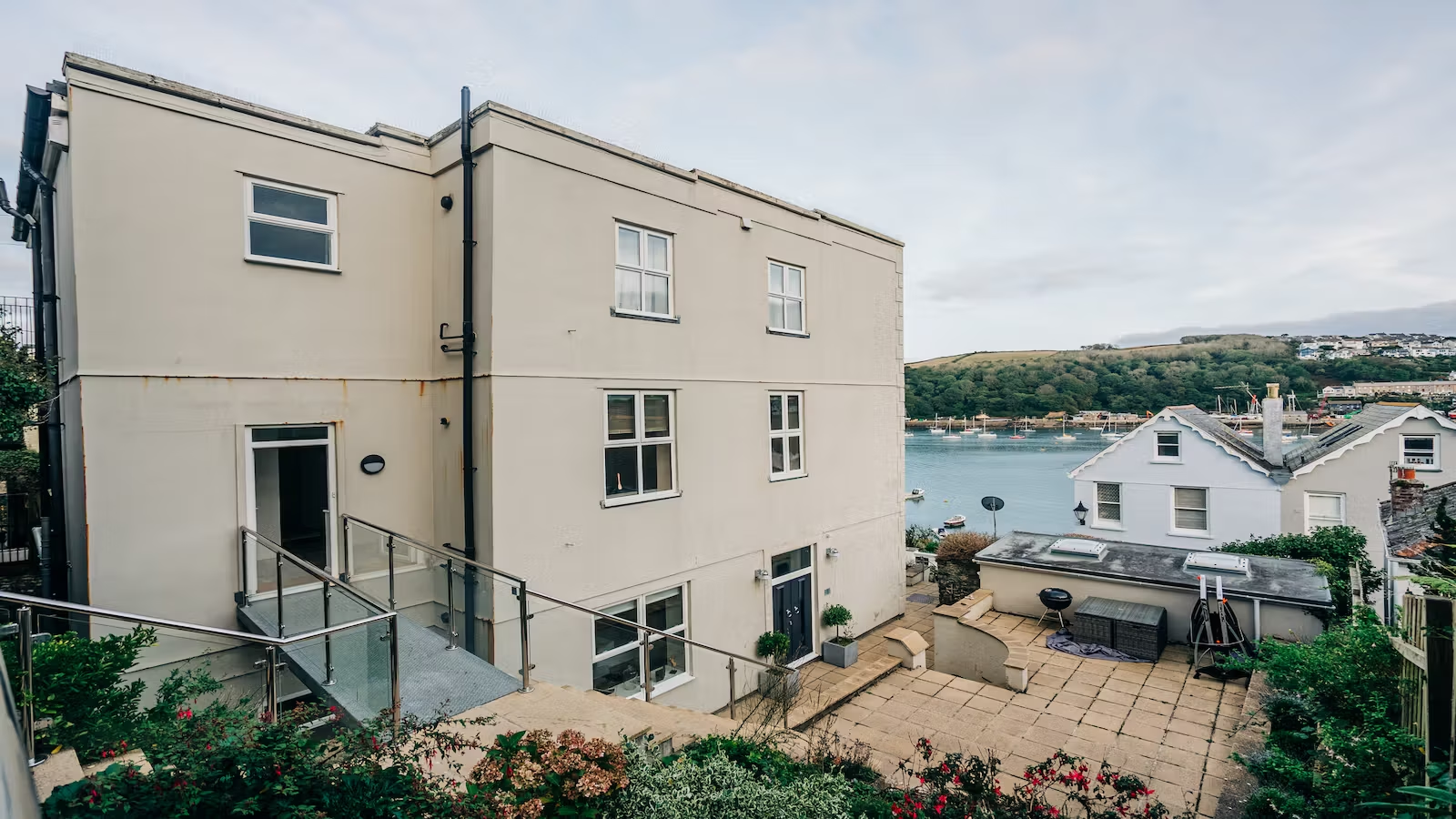
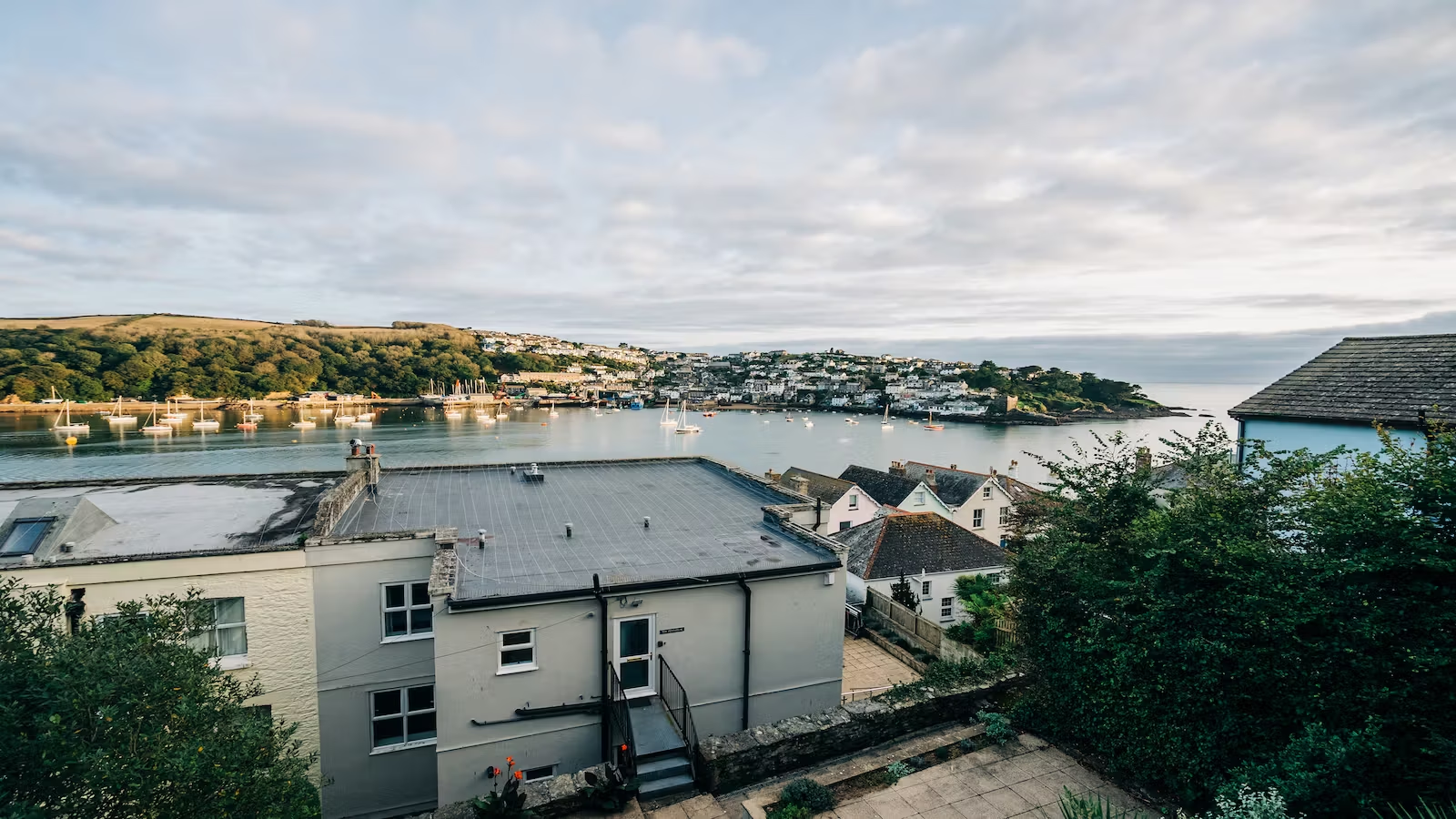
Warvena Construction has extensive experience delivering coastal homes across Cornwall. Our projects combine advanced engineering with sustainable materials to create homes that perform exceptionally well in coastal conditions.
You can explore our recent builds on the projects page.
Featured projects include:
Why Choose Warvena Construction for Coastal Homes
Building homes near the coast requires expertise in both engineering and sustainable construction. At Warvena Construction, we combine structural engineering knowledge with LOW CARBON & TIMBER FRAME building techniques to deliver homes that are resilient, efficient, and environmentally responsible.
If you’re planning a coastal home in Cornwall, visit our About page or contact us to discuss your proj
Building Safer Coastal Homes for the Future
Wind load engineering plays a critical role in ensuring that coastal homes remain safe and durable. By combining modern engineering with sustainable construction methods, Warvena Construction creates homes that stand strong against coastal weather while supporting a low-carbon future.
Frequently Asked Questions About Wind Load Engineering in Coastal Homes
What is wind load engineering?
Wind load engineering is the process of designing buildings to safely withstand the pressure exerted by wind. Engineers calculate wind forces and ensure that the structure can resist these loads without damage.
Why is wind load engineering important for coastal homes?
Coastal homes are exposed to stronger winds due to open landscapes and ocean weather patterns. Proper wind load engineering ensures the structure remains safe during storms and high winds.
How does timber frame construction perform in high winds?
Timber frame construction performs very well in high winds because it distributes loads efficiently and offers flexibility that helps absorb wind pressure when properly engineered.
What building features help protect homes from strong winds?
Reinforced connections, aerodynamic design, impact-resistant glazing, and secure cladding systems all help improve wind resistance in coastal homes.
Can low carbon homes be designed for coastal environments?
Yes. Using sustainable materials like timber allows homes to be both environmentally responsible and structurally strong enough to perform well in coastal conditions.