Project Planning & Delivery Framework
Understanding Construction Phases (RIBA 2–6)
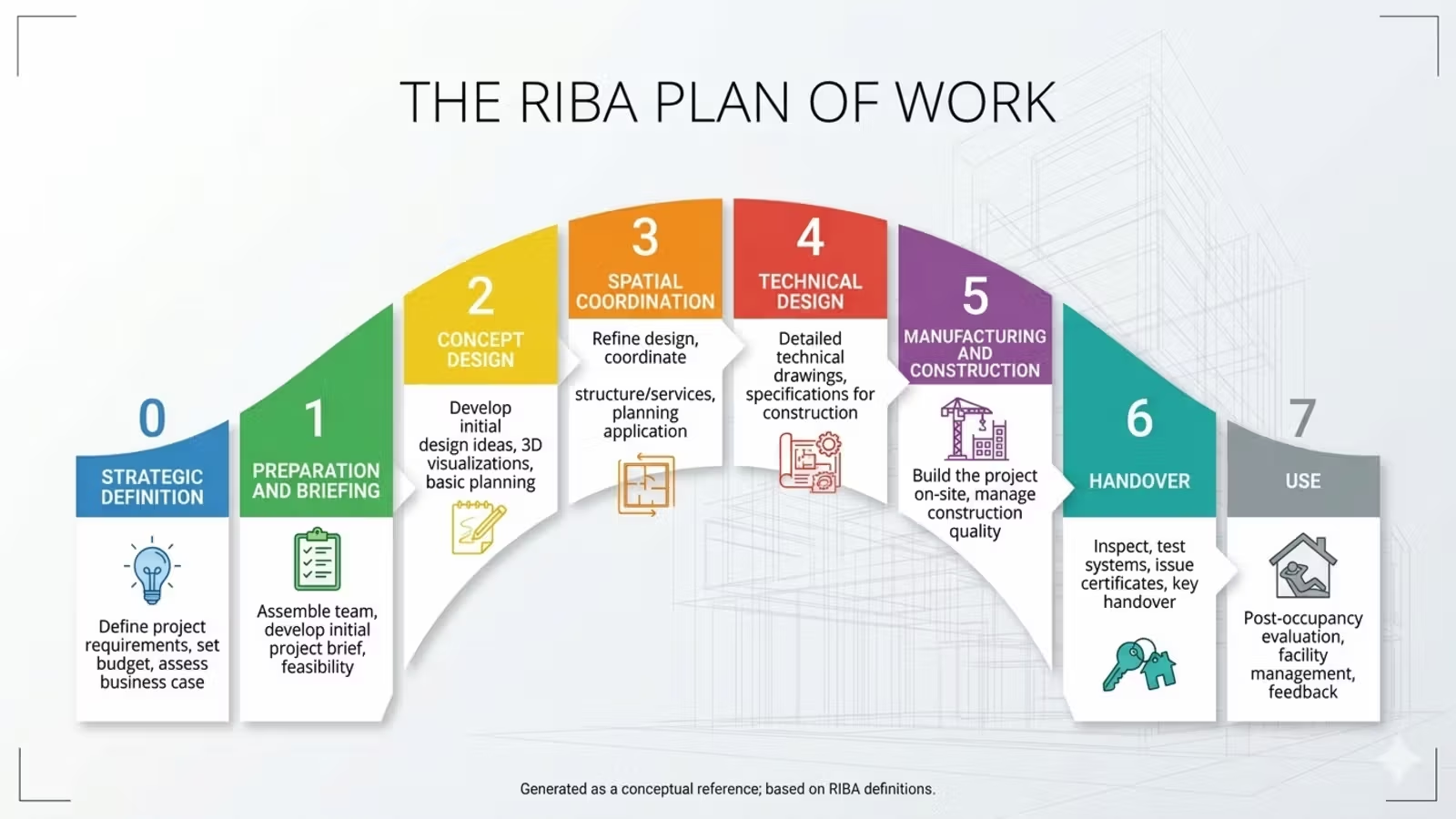
Building a high-end home involves a structured process that guides a project from initial design to completion. One of the most widely used frameworks in the UK is the RIBA Plan of Work, which defines key stages in the construction journey.
Understanding RIBA Stages 2–6 is essential for homeowners planning a residential build. At Warvena Construction, we support clients through this process using CLIENT EDUCATION & DECISION SUPPORT, ensuring clarity at every stage.
What Is the RIBA Plan of Work?
Stage 2 involves developing the initial design concept. Architects create layouts, explore materials, and define the overall vision of the project.
- Initial design proposals
- Spatial planning and layout
- Preliminary cost considerations
This stage sets the foundation for the project
Stage 3: Spatial Coordination
At this stage, the design becomes more detailed and coordinated. Structural, mechanical, and electrical systems are integrated into the design.
- Detailed design development
- Coordination between consultants
- Preparation for planning submission
Buildability and technical feasibility are key considerations here
Stage 4: Technical Design
Stage 4 focuses on producing detailed construction information. This includes drawings, specifications, and technical details required for building.
- Construction drawings
- Material specifications
- Detailed cost planning
This stage ensures that all elements are clearly defined before construction begins.
Stage 5: Construction
Stage 5 is where the building work takes place. Contractors carry out construction based on the approved design and technical documentation.
- Site setup and construction works
- Quality control and inspections
- Coordination between trades
Effective project management is critical during this stage.
Stage 6: Handover and Close Out
Stage 6 involves completing the project and handing it over to the client. This includes final inspections, commissioning, and documentation.
- Final quality checks
- System commissioning
- Client handover and documentation
This stage ensures that the home is ready for occupation.
Why Understanding These Phases Matters
Each stage of the RIBA process involves important decisions that affect design, cost, and construction outcomes. Understanding these phases helps clients plan effectively and avoid delays.
Client Education & Decision Support
Construction projects involve many technical and financial decisions. Through CLIENT EDUCATION & DECISION SUPPORT, we help clients understand each stage and make informed choices throughout the process.
Warvena Construction Projects
Warvena Construction delivers bespoke residential projects across Cornwall, guiding clients through every stage of the build process.
Explore our work on our projects page.
Guiding You Through the Build Process
Understanding RIBA Stages 2–6 helps homeowners navigate the construction process with confidence. With the right support and guidance, each stage can be managed effectively to deliver a successful project.
If you are planning a residential build in Cornwall, visit our About page or contact us to discuss your project.
Frequently Asked Questions About RIBA Stages
What are RIBA stages?
They are a structured framework used to guide construction projects from design to completion
Why are RIBA stages important?
They provide clarity, organisation, and coordination throughout the building process.
When does construction start in RIBA stages?
Construction typically begins at Stage 5.
What happens during Stage 4?
Detailed technical drawings and specifications are prepared for construction.
Do all projects follow RIBA stages?
Most UK construction projects use this framework, especially architect-led builds.