Construction Method Comparison & Planning
Timber Frame vs Traditional Construction
When planning a residential build in Cornwall, one of the most important early decisions is choosing the construction method. Two of the most common approaches are timber frame construction and traditional masonry construction.
Each method has its advantages, and the right choice depends on factors such as design, performance requirements, budget, and site conditions. At Warvena Construction, we guide clients through this decision using CLIENT EDUCATION & DECISION SUPPORT, ensuring a clear understanding of both options.
What Is Timber Frame Construction?
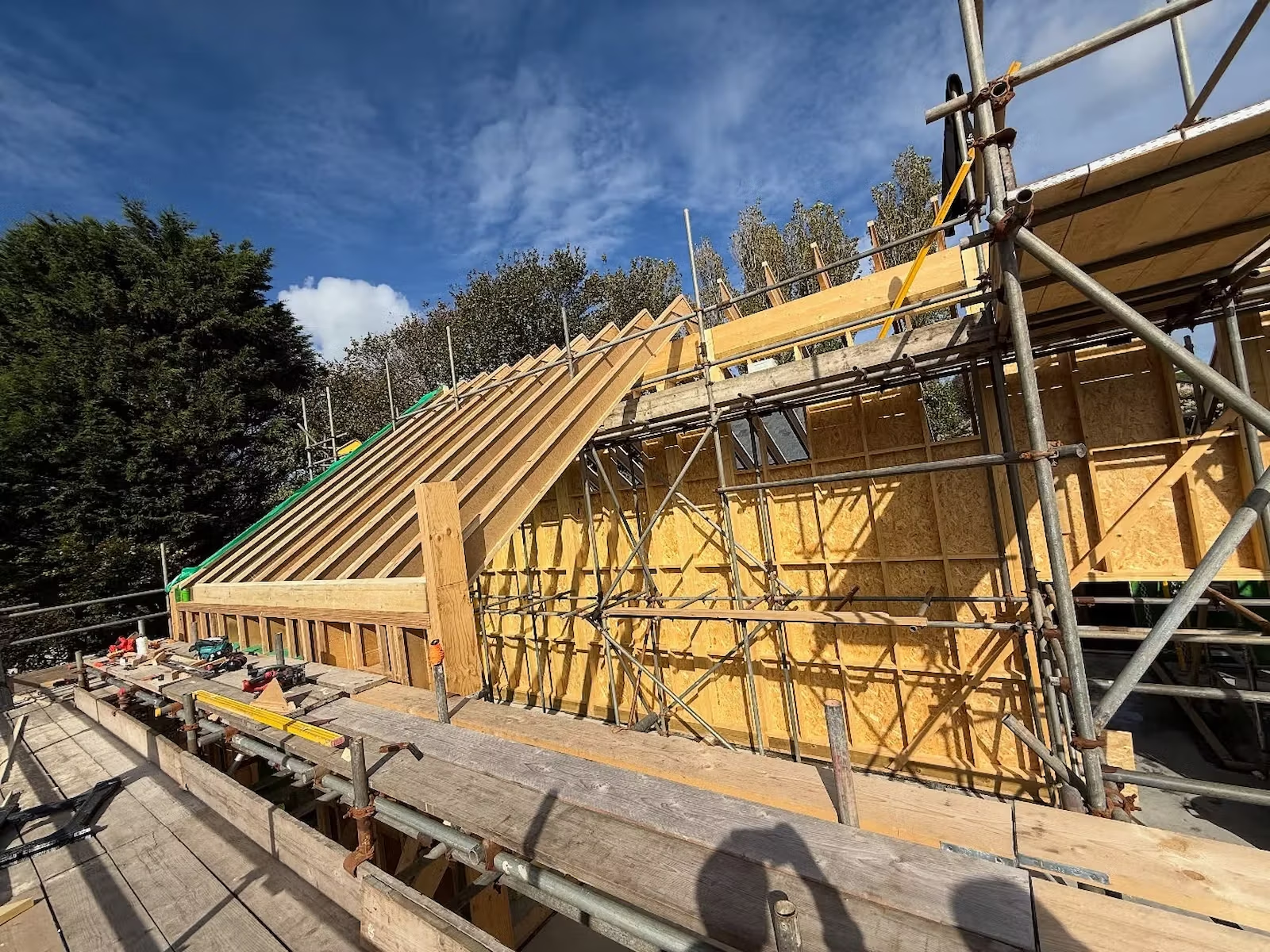
Timber frame construction uses a structural framework of engineered timber to support the building. The structure is typically manufactured off-site and assembled on-site.
Key characteristics include:
- Lightweight structural system
- Fast on-site assembly
- High levels of insulation
- Precision manufacturing
What Is Traditional Construction?
Traditional construction typically involves masonry materials such as brick or blockwork. This method has been widely used in residential building for many years.
Key characteristics include:
- Solid construction method
- High thermal mass
- Long-established building techniques
- Flexible on-site adjustments
Speed of Construction
Timber frame systems are often quicker to assemble due to off-site manufacturing. This can reduce overall construction time.
Traditional construction may take longer due to on-site building processes, but it allows for flexibility during construction.
Energy Efficiency and Performance
Timber frame construction can achieve high levels of energy efficiency, making it suitable for PASSIVE HOUSE & HIGH PERFORMANCE homes.
Traditional construction can also achieve good performance when combined with modern insulation systems and careful detailing.
Cost Considerations
Costs can vary depending on design complexity, materials, and site conditions.
- Timber frame may reduce labour time
- Traditional construction may offer material flexibility
- Overall cost depends on project requirements
Suitability for Coastal Builds
Both methods can be used in coastal environments, but they require careful detailing to handle exposure to wind and moisture.
Material selection and construction quality are critical regardless of the chosen method.
Quality & Detail Authority
Regardless of construction method, achieving high-quality results depends on precision and workmanship. At Warvena Construction, we apply QUALITY & DETAIL AUTHORITY to ensure consistent standards across all projects.
Client Education & Decision Support
Choosing the right construction method is a key decision. Through CLIENT EDUCATION & DECISION SUPPORT, we help clients evaluate options based on performance, cost, and long-term value.
Warvena Construction Projects
Warvena Construction delivers bespoke residential projects across Cornwall, using both modern and traditional construction techniques.
Explore our work on our projects page.
Making the Right Choice
Both timber frame and traditional construction methods have their advantages. The best choice depends on your project goals, design requirements, and site conditions.
If you are planning a residential build in Cornwall, visit our About page or contact us to discuss your project.
Frequently Asked Questions
Which is better, timber frame or traditional construction?
Both have advantages. The best choice depends on design, performance goals, and project requirements.
Is timber frame more energy efficient?
Timber frame can achieve high levels of energy efficiency when designed correctly.
Is traditional construction more durable?
Both methods can be durable when built correctly with appropriate materials
Which method is faster to build?
Timber frame is generally faster due to off-site manufacturing.
Can both methods be used in coastal areas?
Yes. Both require proper detailing to handle environmental conditions.