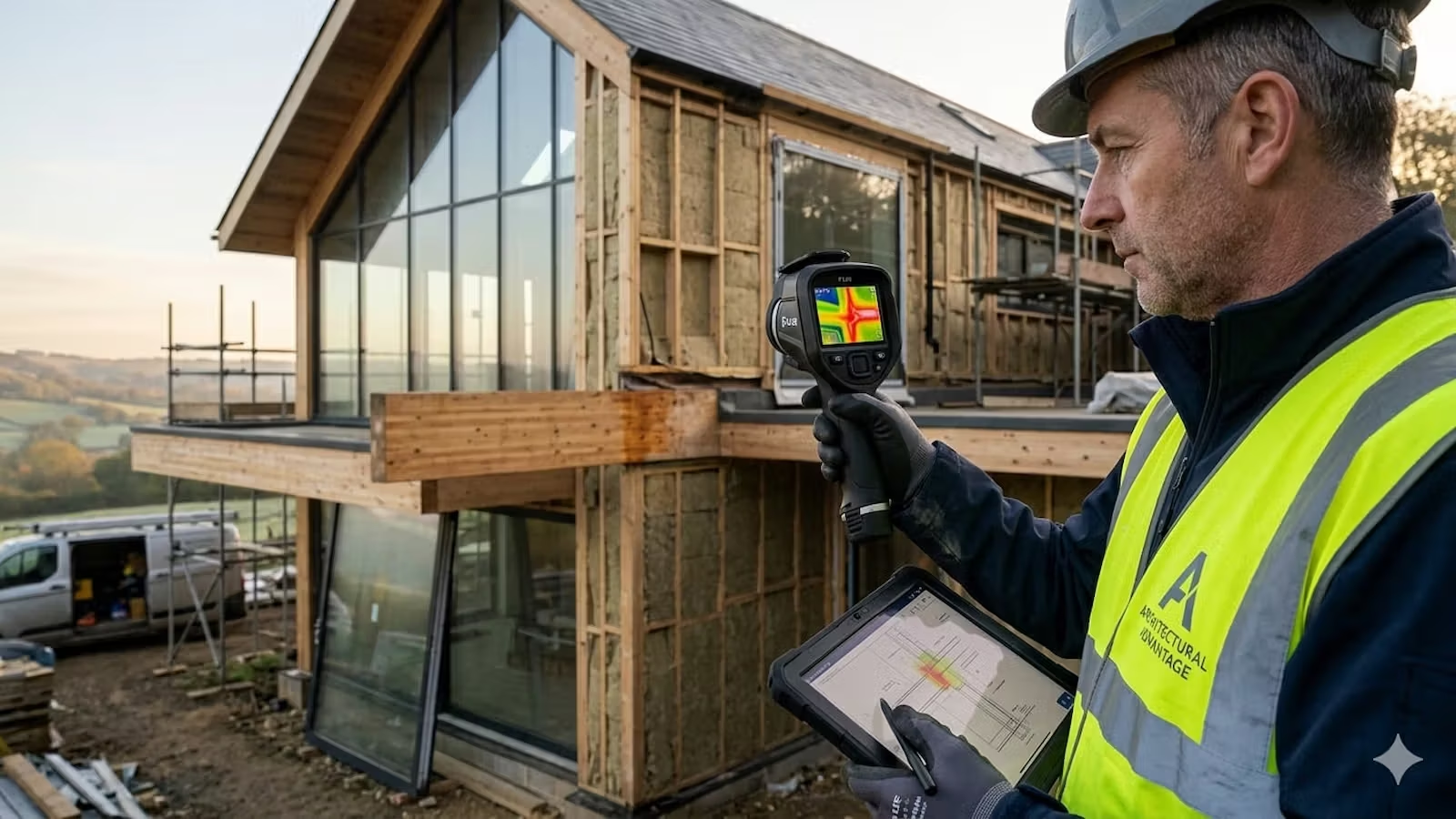
bespoke-homes
Thermal Bridging in Bespoke Homes
Thermal bridging is a common concern in the construction of bespoke homes, particularly when it comes to energy efficiency and overall comfort. It occurs when heat flows through materials that are less insulated than the rest of the building structure, leading to energy loss and uneven temperatures within the home.
In high-end residential construction, particularly in bespoke homes, preventing thermal bridging is essential for maintaining energy efficiency, enhancing comfort, and reducing heating costs. Effective design and construction techniques can mitigate this issue and help ensure that the home performs at its best in all seasons.
At Warvena Construction, we take great care to prevent thermal bridging in every project we undertake. With years of expertise in luxury home construction, we apply industry-leading techniques to ensure our bespoke homes are as energy-efficient as they are beautiful.
LUXURY & HIGH-END RESIDENTIAL AUTHORITY in Thermal Bridging Prevention
When it comes to achieving LUXURY & HIGH-END RESIDENTIAL AUTHORITY in bespoke homes, every detail matters—including how the home manages heat loss. Luxury homes should not only look exceptional, but they should also perform efficiently in terms of thermal comfort and energy usage.
Thermal bridging can undermine both these factors, leading to higher energy bills and uncomfortable living conditions. As a trusted builder of luxury homes, Warvena Construction ensures that all our projects are designed and built to prevent thermal bridging through a combination of advanced building methods and precision craftsmanship.
What is Thermal Bridging?
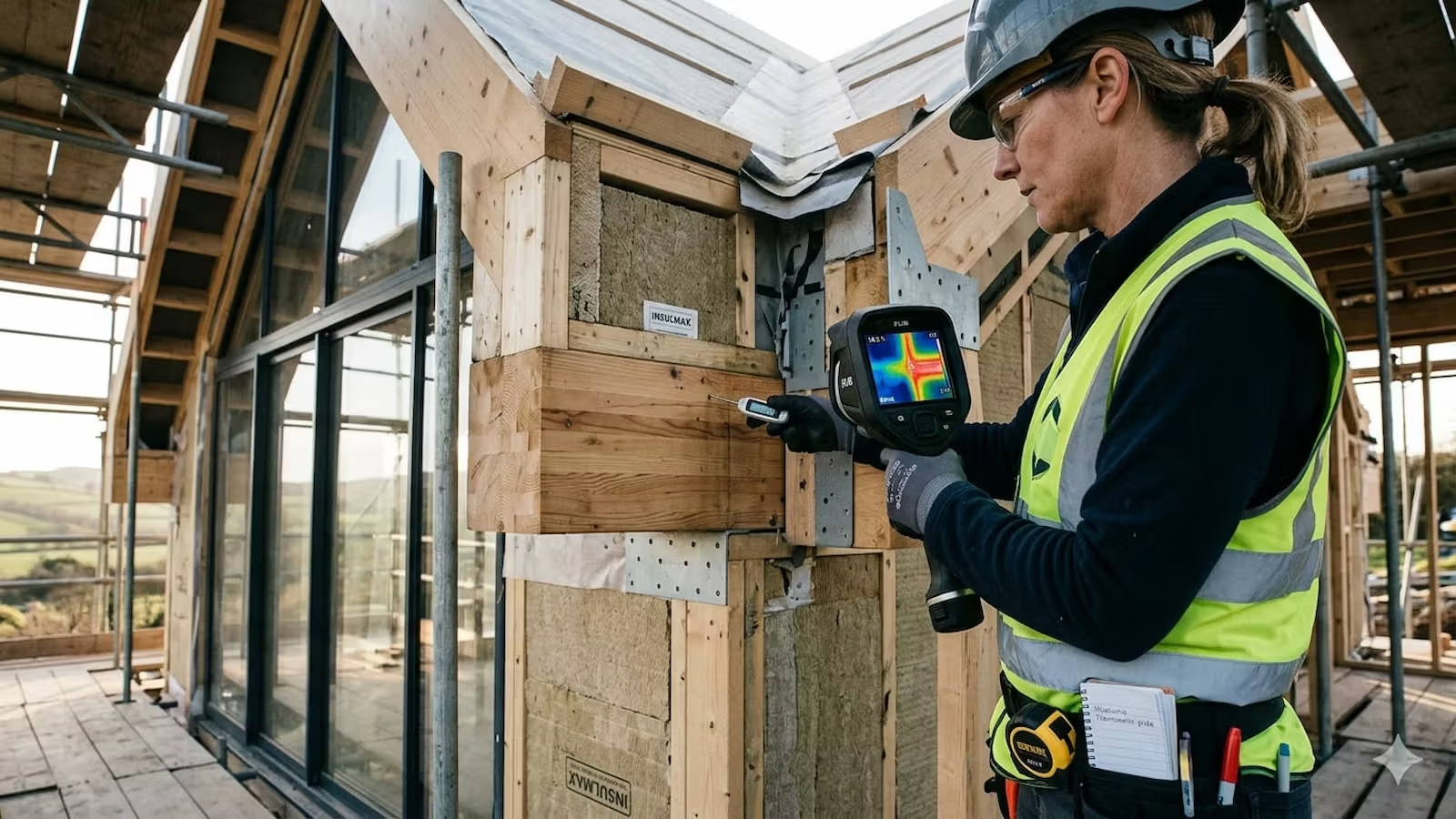
Thermal bridging happens when an area of a building has a higher thermal conductivity than the materials around it, allowing heat to pass through the building’s envelope. This can occur at various points in the structure, such as walls, windows, doors, and roof connections.
Common examples of thermal bridges include:
- Window and door frames
- Steel or concrete structural elements
- Roof and floor junctions
- External wall connections
These points can lead to localized cold spots, condensation, and heat loss, which can significantly reduce the home’s energy efficiency.
The Impact of Thermal Bridging on Energy Efficiency
n bespoke homes, thermal bridging can lead to increased heating requirements, higher energy bills, and potential issues with moisture and condensation. Since luxury homes are often built to be highly insulated and airtight, any gaps in thermal performance can have a disproportionate impact on energy efficiency.
Furthermore, thermal bridges can cause temperature fluctuations inside the home, making certain areas feel colder and less comfortable. Over time, this can lead to issues with condensation, mould growth, and degradation of materials.
How to Prevent Thermal Bridging in Bespoke Homes
Preventing thermal bridging involves a combination of careful design, material selection, and construction techniques. Here’s how Warvena Construction addresses this issue:
- Continuous Insulation: We ensure that insulation is continuous throughout the building envelope, leaving no gaps where heat can escape.
- Thermal Breaks: We use materials with low thermal conductivity, such as thermal breaks, to interrupt the flow of heat at critical junctions.
- Advanced Framing Techniques: We employ advanced framing methods, such as insulated concrete forms (ICFs) or structural insulated panels (SIPs), to minimize thermal bridging in walls, floors, and ceilings.
- Efficient Window & Door Installations: Our window and door installations are carefully planned to ensure that frames are properly insulated and sealed to prevent heat loss.
- High-Performance Materials: We use high-performance materials like triple-glazed windows, insulated lintels, and thermal bridging-resistant components to prevent energy loss.
By incorporating these measures into the design and construction of bespoke homes, we ensure that thermal bridging is minimized, keeping your home comfortable and energy-efficient.
The Benefits of Reducing Thermal Bridging
By preventing thermal bridging, bespoke homes offer numerous benefits:
- Energy Efficiency: Reduced heat loss means that homes require less energy to maintain a comfortable temperature, lowering heating costs and reducing environmental impact.
- Comfort: Homes with effective thermal bridging prevention maintain consistent indoor temperatures, making them more comfortable to live in.
- Durability: Preventing condensation and moisture accumulation reduces the risk of mould growth and material damage, extending the life of the home.
- Higher Property Value: Homes that are energy-efficient and comfortable typically have higher resale values, as they appeal to buyers looking for sustainable living solutions
Examples of Thermal Bridging Solutions in Our Projects
- At Warvena Construction, we have successfully implemented advanced thermal bridging solutions in a range of bespoke projects. You can explore our projects to see how we’ve integrated these solutions into luxury homes across Cornwall.
For example, in The Ark, we used insulated foundations and continuous external insulation to eliminate thermal bridging at key structural points. In another project, Kenwyn, we employed structural insulated panels (SIPs) to ensure airtightness and thermal efficiency throughout the entire property.
Why Warvena Construction Is Trusted for High-End Bespoke Homes
or homeowners seeking energy-efficient bespoke homes, Warvena Construction brings unmatched expertise in both high-end construction and sustainability.
We combine traditional craftsmanship with modern energy-efficient techniques to create homes that are not only beautiful but also environmentally responsible. Learn more about our approach on the About Warvena page.
If you have questions about thermal bridging or sustainable building practices, the FAQ page provides helpful guidance. When you are ready to start your bespoke home project, you can get in touch directly.
Building Homes That Perform
In the world of luxury home construction, attention to detail is crucial, especially when it comes to preventing issues like thermal bridging. By ensuring that every part of the home is properly insulated and constructed, Warvena Construction creates homes that offer unparalleled energy efficiency, comfort, and long-term performance.
When you build with Warvena, you’re not just investing in a beautiful property; you’re investing in a home that will perform at its best for years to come, providing comfort and sustainability in equal measure.

Frequently Asked Questions About Thermal Bridging in Bespoke Homes
What is thermal bridging
Thermal bridging occurs when heat passes through a building material that is less insulated than the surrounding areas, causing energy loss and uneven temperature distribution within the home.
Why is thermal bridging a concern in bespoke homes?
Thermal bridging reduces energy efficiency, increases heating costs, and can cause moisture problems and condensation, especially in airtight, well-insulated homes.
How can thermal bridging be prevented?
Thermal bridging can be prevented through careful design, high-performance insulation, and the use of materials that interrupt the flow of heat at critical points in the building structure.
Can thermal bridging affect my home’s energy efficiency?
Yes, thermal bridging can lead to higher energy bills as it forces heating systems to work harder to maintain comfortable temperatures inside the home.
What materials help prevent thermal bridging?
Insulated concrete forms (ICFs), structural insulated panels (SIPs), high-performance glazing, and continuous external insulation are all effective materials for reducing thermal bridging.