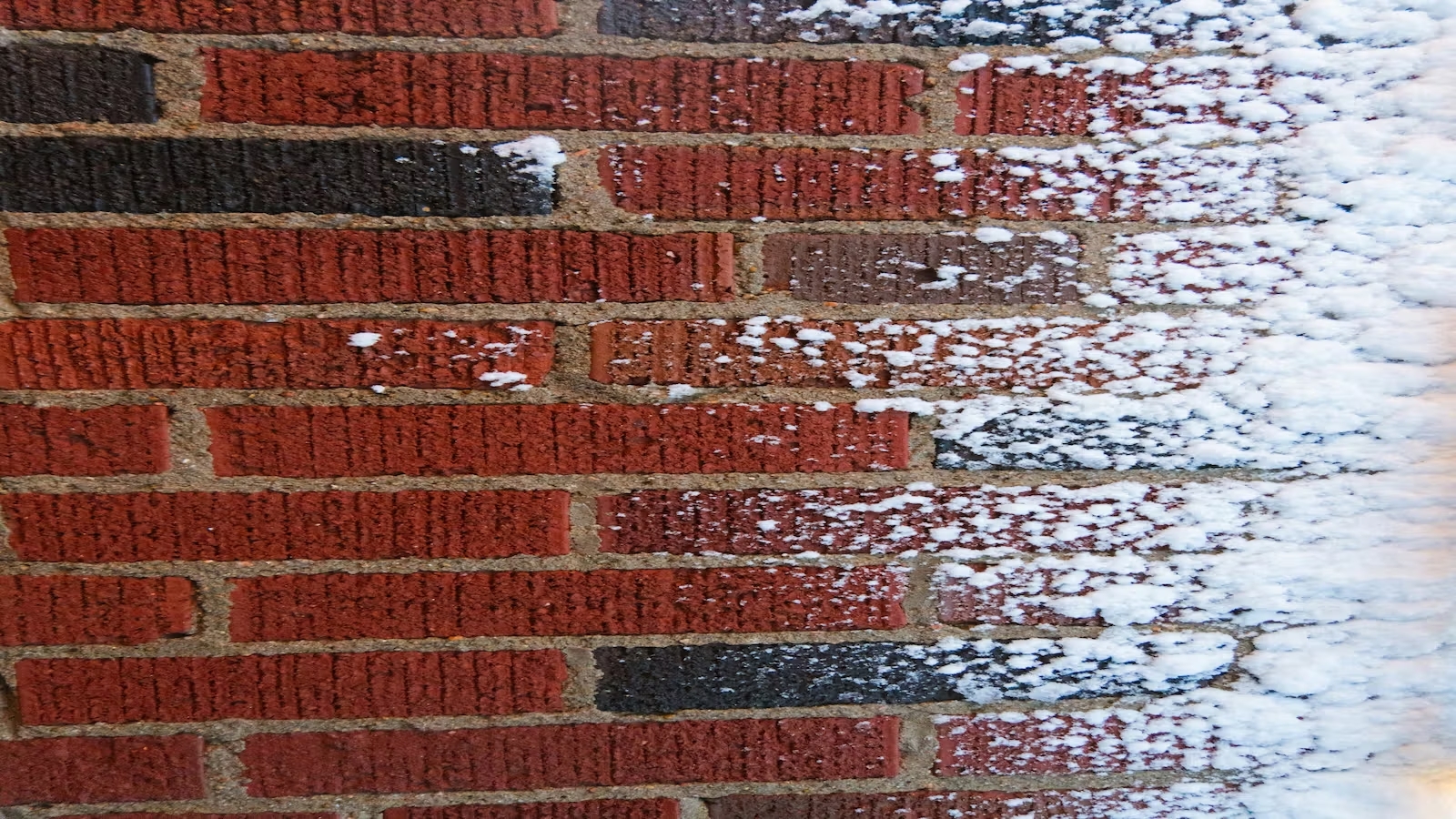
Salt Exposure Detailing
Building homes near the coastline requires careful planning and specialist detailing to ensure long-term durability. One of the most important considerations for coastal construction is salt exposure detailing. Salt carried in sea air can affect materials, accelerate corrosion, and impact the performance of building systems if not properly addressed.
At Warvena Construction, we specialise in coastal homes designed to withstand the demanding conditions of Cornwall’s shoreline. By integrating LOW CARBON & TIMBER FRAME construction methods with advanced detailing techniques, we create homes that remain durable, energy-efficient, and environmentally responsible even in high-salt environments.
LOW CARBON & TIMBER FRAME Construction for Coastal Durability
One of the most effective ways to reduce environmental impact while improving building performance is through LOW CARBON & TIMBER FRAME construction. Timber is a renewable building material that stores carbon throughout its life cycle, making it an excellent choice for sustainable residential construction.
In coastal environments, properly treated timber frame structures also perform exceptionally well when combined with protective detailing. High-performance membranes, ventilated cladding systems, and corrosion-resistant fixings ensure that timber frame homes remain structurally sound despite exposure to salty air.
This combination of sustainability and durability makes timber frame construction an ideal approach for homes built close to Cornwall’s coastline.
What is Salt Exposure Detailing?
Salt exposure detailing refers to specialised construction methods designed to protect buildings from the effects of airborne salt and marine moisture. Coastal environments expose structures to higher levels of salt particles carried by wind and sea spray.
Without proper detailing, salt exposure can lead to:
- Corrosion of metal components
- Deterioration of building materials
- Reduced lifespan of exterior finishes
- Structural damage over time
By designing homes with proper coastal detailing strategies, builders can significantly extend the lifespan and performance of coastal properties.
Key Design Strategies for Salt Exposure Protection
Successful coastal construction depends on selecting the right materials and detailing methods. Several key strategies are commonly used to protect homes from salt exposure.
- Corrosion-resistant fixings: Stainless steel or marine-grade fixings prevent rust and structural deterioration.
- Ventilated cladding systems: These systems allow airflow behind external materials, reducing moisture buildup.
- Protective coatings: Durable finishes help protect exposed surfaces from salt accumulation.
- Moisture control layers: High-performance membranes prevent water penetration into the building envelope.
- Strategic material selection: Materials designed for coastal environments increase long-term durability.
When combined with LOW CARBON & TIMBER FRAME construction, these strategies ensure that homes remain resilient even in demanding marine environments.
Why Salt Exposure Matters in Coastal Construction
Cornwall’s coastline is known for its strong winds and salt-laden air. Homes located near the sea are constantly exposed to these environmental conditions, which can accelerate material wear if not properly managed.
Salt exposure detailing ensures that homes maintain their structural integrity and visual appearance over time. By addressing these challenges early in the design phase, builders can prevent costly maintenance issues and extend the lifespan of coastal properties
Warvena Construction’s Coastal Building Expertise
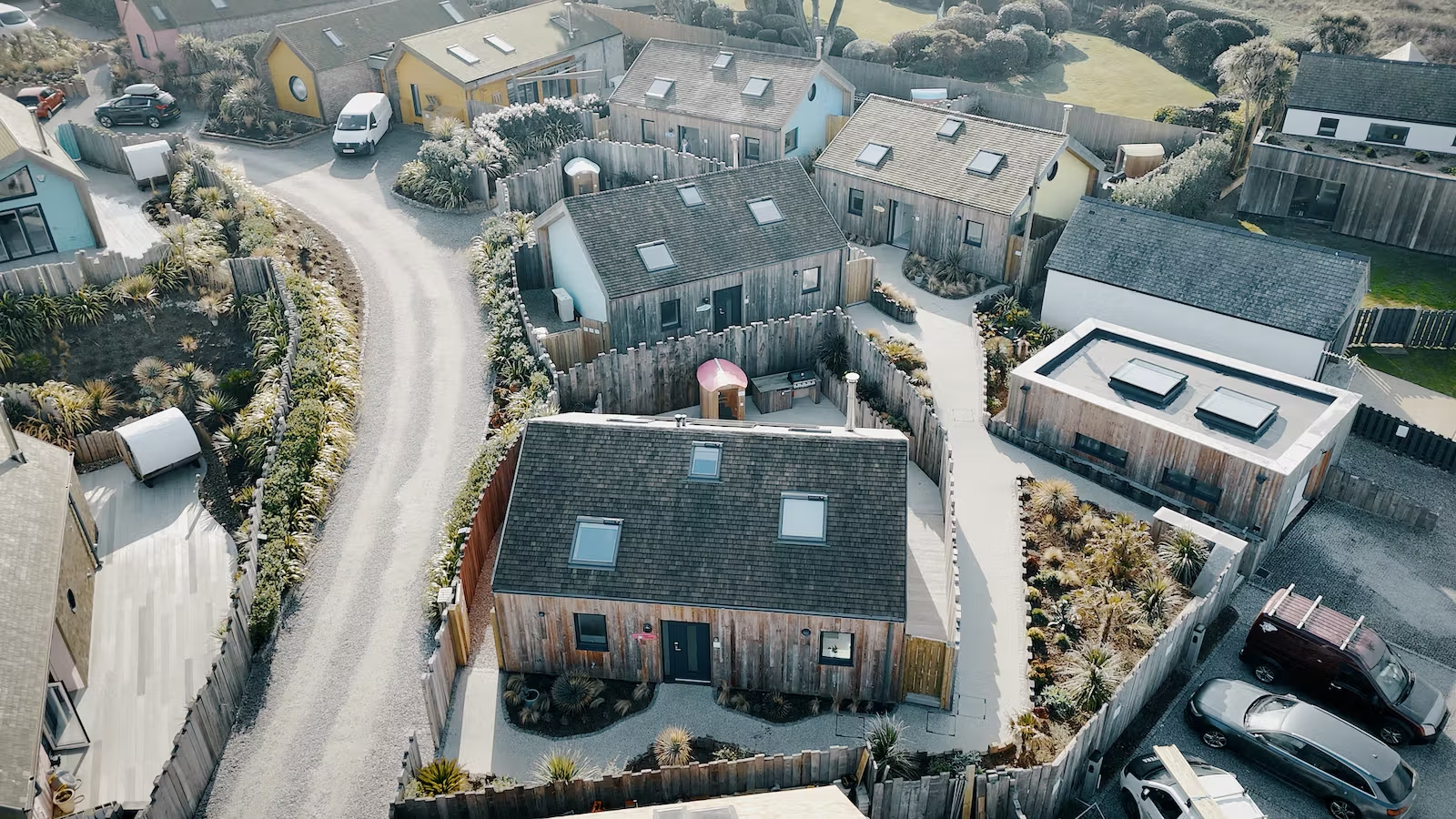
Warvena Construction has extensive experience delivering coastal homes across Cornwall using sustainable building practices. Our approach focuses on combining LOW CARBON & TIMBER FRAME construction with specialist detailing to protect homes from coastal exposure.
You can explore examples of our coastal projects on the projects page.
Some of our featured work includes:
Why Choose Warvena Construction for Coastal Homes
Building in coastal environments requires specialist expertise. At Warvena Construction, we combine modern building science with sustainable materials to deliver homes that are built to perform.
Our experience with salt exposure detailing and LOW CARBON & TIMBER FRAME construction ensures that every project meets the highest standards of durability, sustainability, and architectural quality.
If you're planning a coastal home in Cornwall, visit our About page or contact us to discuss your project
Sustainable Coastal Living
Coastal homes should be designed not only for beauty but also for resilience and environmental responsibility. Through advanced detailing and sustainable construction methods, Warvena Construction creates homes that thrive in Cornwall’s marine climate while supporting a low-carbon future.
Frequently Asked Questions About Salt Exposure Detailing
What is salt exposure detailing in construction?
Salt exposure detailing involves designing buildings with protective materials and construction methods that prevent damage caused by airborne salt in coastal environments.
Why is salt exposure important when building near the sea?
Salt carried in sea air can accelerate corrosion and degrade materials over time. Proper detailing helps protect buildings from these effects and ensures long-term durability.
How does timber frame construction perform in coastal environments?
When properly treated and protected with modern membranes and cladding systems, timber frame construction performs very well in coastal environments while also offering strong sustainability benefits.
What materials help protect coastal homes from salt exposure?
Marine-grade fixings, protective coatings, ventilated cladding systems, and moisture-resistant membranes all help protect homes from salt exposure.
Can low carbon construction be used for coastal homes?
Yes. Low carbon construction using renewable materials like timber allows homes to be both environmentally responsible and durable enough to withstand coastal conditions.