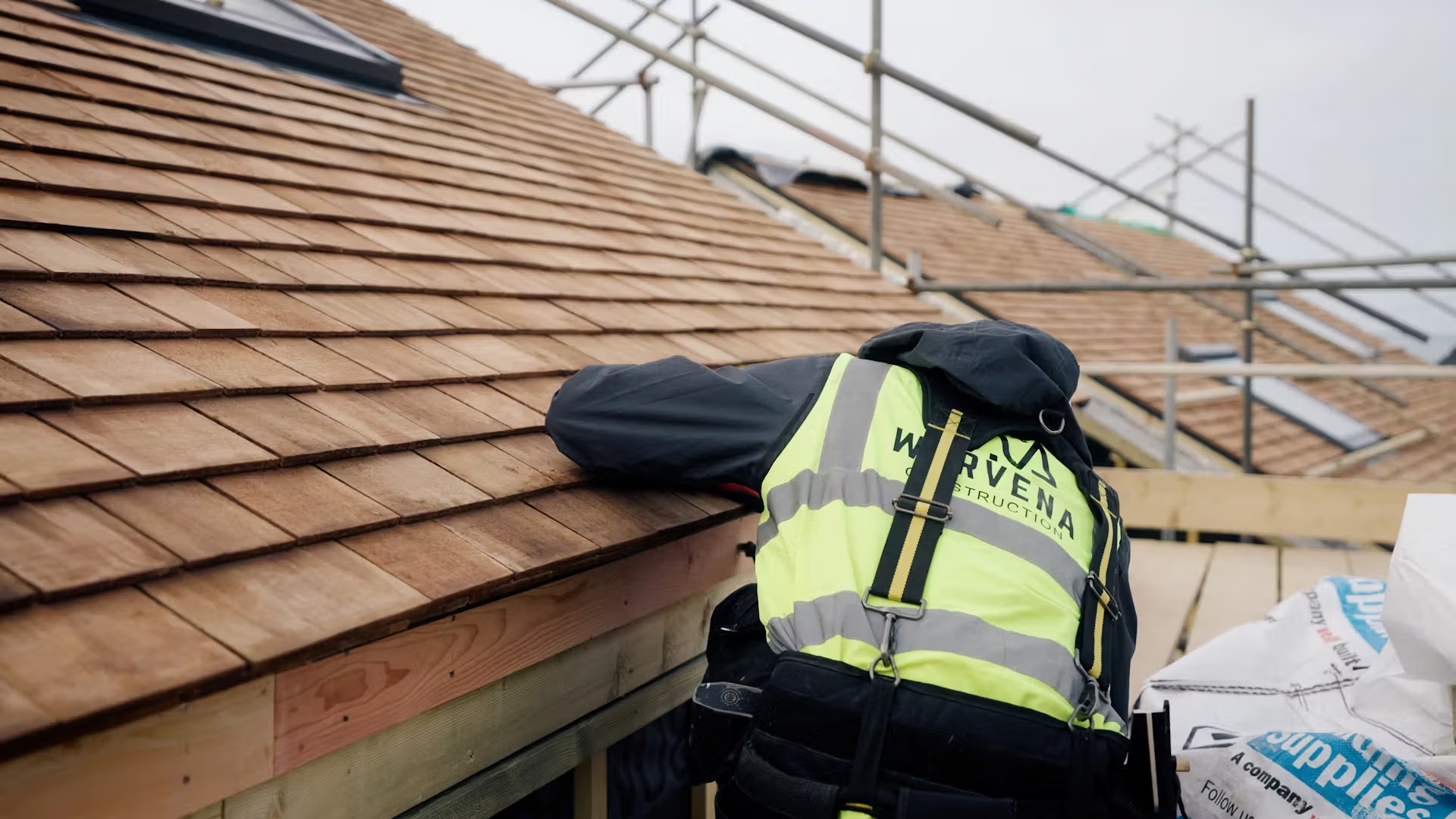
Construction Risk Management Strategy
Risk Management in Residential Construction
Residential construction projects involve multiple stakeholders, complex planning processes, and a wide range of potential challenges. From design changes and material shortages to weather conditions and site constraints, construction risks must be carefully managed to ensure successful project delivery.
At Warvena Construction, we approach project delivery using a structured framework based on PROGRAMME, COST & GOVERNANCE. This method allows us to identify potential risks early, implement mitigation strategies, and maintain full transparency throughout the construction process.
What is Risk Management in Construction?
Risk management in construction refers to the process of identifying, evaluating, and addressing potential issues that could impact a project's schedule, cost, or quality. Effective risk management helps project teams anticipate challenges before they become major problems.
By analysing risks early in the planning phase, construction teams can develop strategies that minimise disruption during the building process.
Common Risks in Residential Construction
Residential building projects face a variety of potential risks that can affect the overall success of the project.
- Unexpected site conditions
- Design changes or variations
- Material supply chain delays
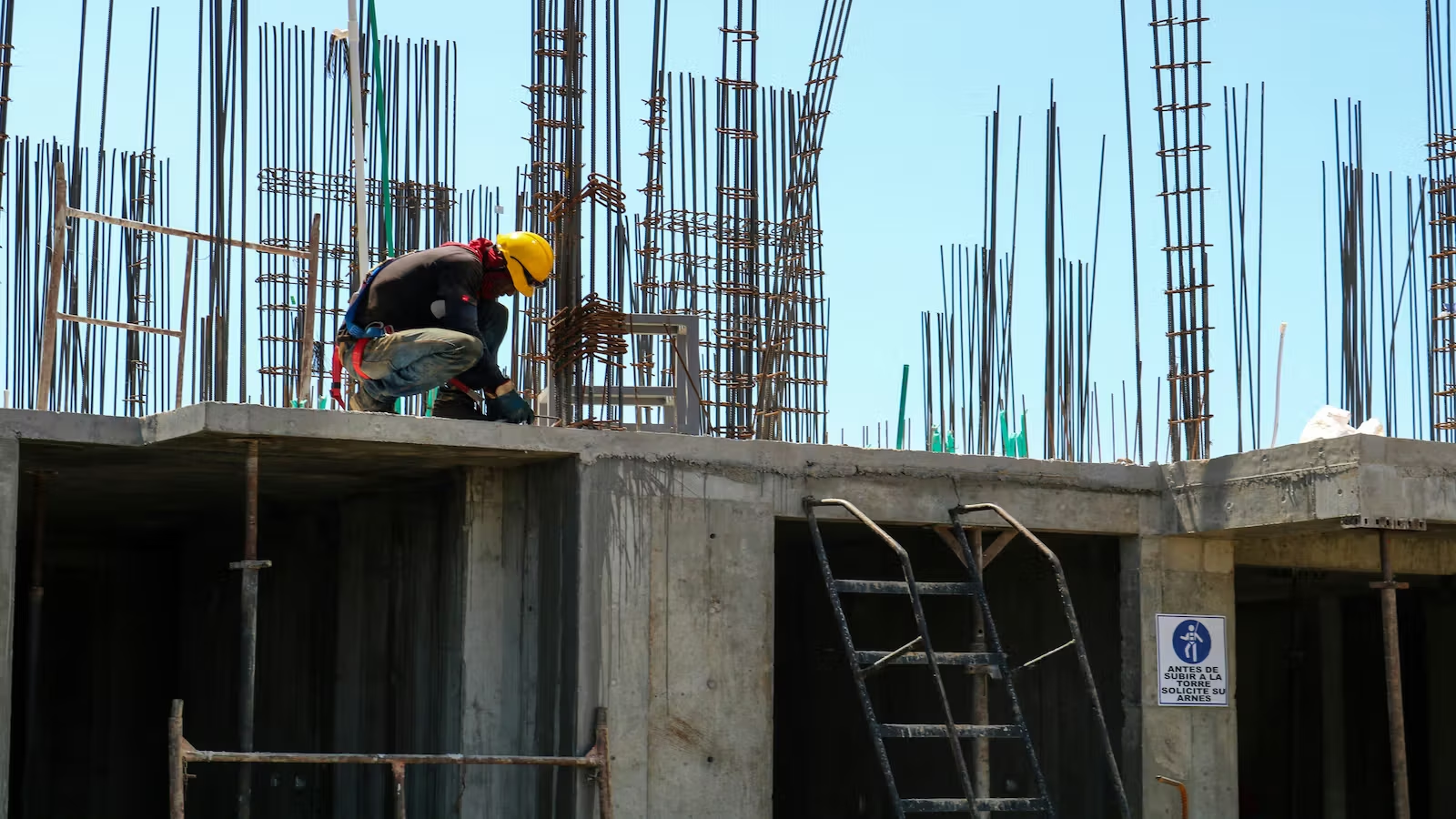
- Weather-related disruptions
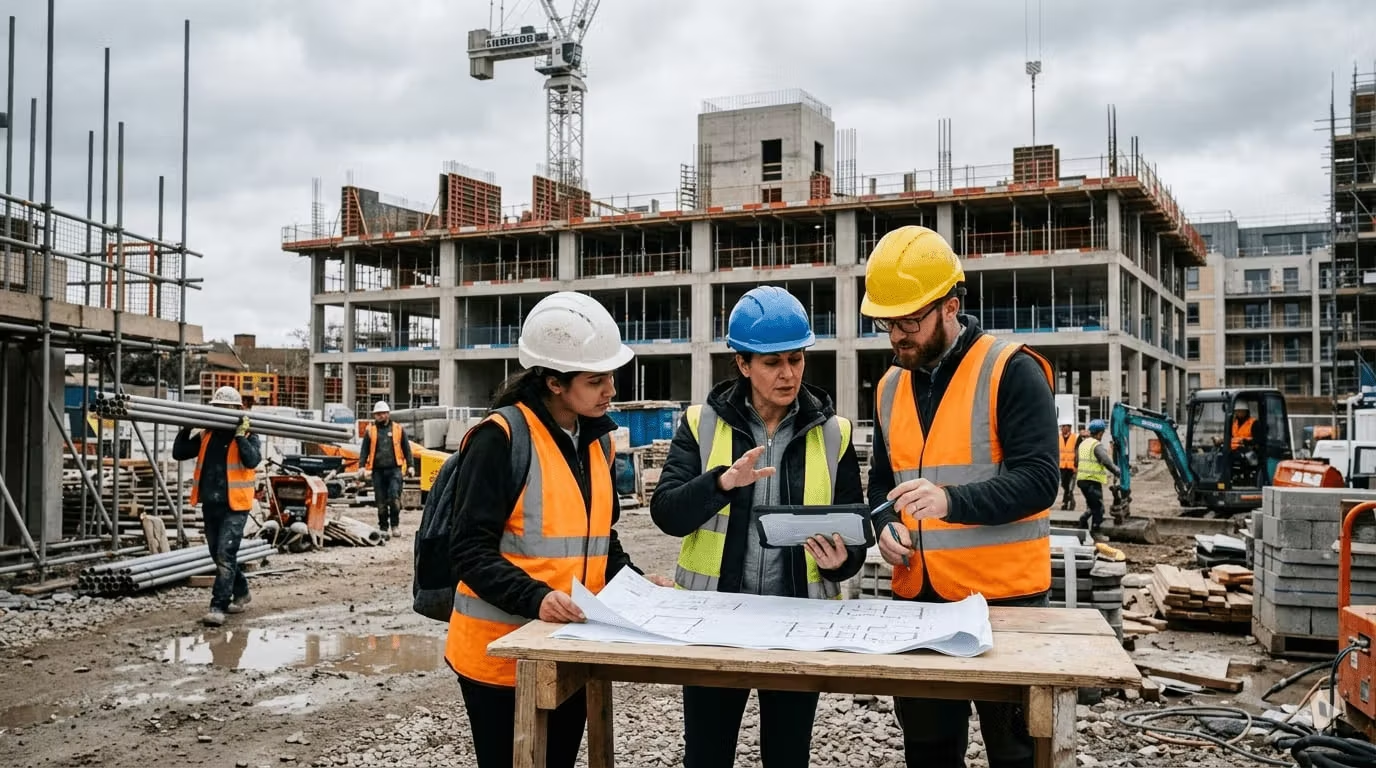
- Coordination issues between contractors
- Budget and cost fluctuations
Recognising these risks early allows project teams to develop contingency plans that maintain project stability.
The Role of Programme, Cost & Governance
Effective risk management requires a structured framework for decision-making and project oversight. The principles of PROGRAMME, COST & GOVERNANCE ensure that risks are monitored and managed throughout the project lifecycle.
- Programme: Identifying risks that could impact the project schedule.
- Cost: Assessing financial risks and maintaining budget control.
- Governance: Establishing clear processes for reviewing and addressing risks.
This framework provides a balanced approach that supports efficient project management.
Risk Assessment During the Planning Phase
The most effective risk management strategies begin during the early planning stages of a construction project. Detailed design reviews, site assessments, and procurement planning can help identify potential challenges before work begins.
By addressing risks early, project teams can develop strategies that reduce uncertainty and improve overall project efficiency.
Monitoring Risks During Construction
Risk management continues throughout the construction phase. Regular project meetings, site inspections, and progress reports allow teams to monitor risks and respond quickly when new issues arise.
Clear communication between contractors, designers, and clients helps ensure that risks are managed collaboratively.
Warvena Construction Project Approach
Warvena Construction delivers residential projects across Cornwall using structured planning and professional project governance. Our focus on programme, cost & governance helps ensure that risks are identified early and managed effectively throughout the construction process.
You can explore examples of our completed projects on our projects page.
Building with Confidence
Construction projects always involve some level of uncertainty. However, with effective risk management and strong project governance, these risks can be controlled and managed effectively.
If you are planning a residential build in Cornwall, visit our About page or contact us to discuss your project.
Frequently Asked Questions About Risk Management in Construction
What is risk management in residential construction?
Risk management is the process of identifying and addressing potential challenges that could affect a construction project's schedule, cost, or quality.
Why is risk management important in construction?
It helps prevent delays, control costs, and ensure construction projects run smoothly from planning through completion.
What are common risks in residential construction?
Common risks include design changes, material delays, weather conditions, and coordination issues between contractors.
How do builders manage construction risks?
Builders use structured planning, risk assessments, and regular project monitoring to identify and mitigate risks throughout the construction process.
Can good project governance reduce construction risks?
Yes. Strong governance ensures clear decision-making processes, improving communication and reducing the likelihood of project disruptions.