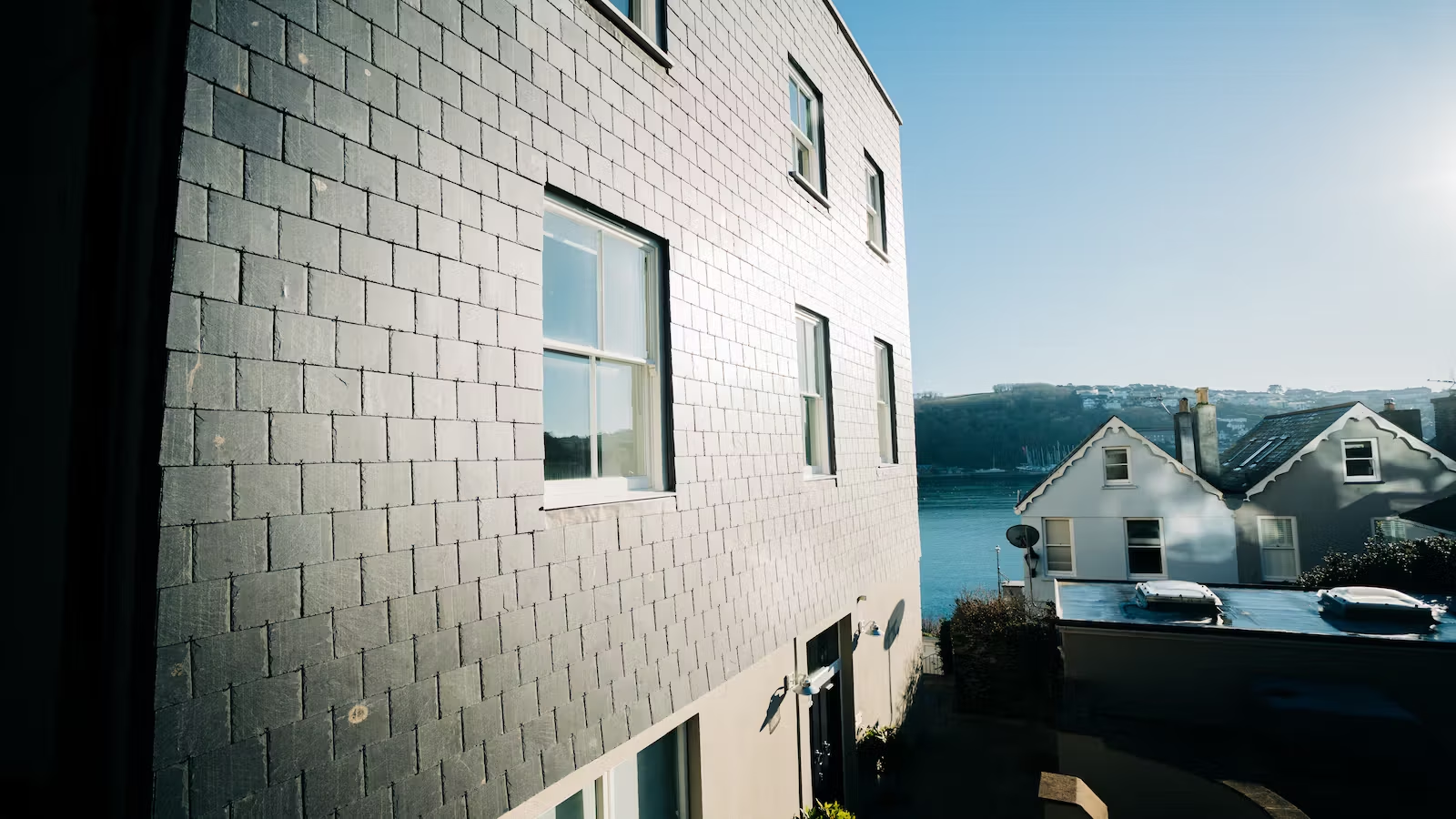
Coastal Construction
Passive House Coastal Construction
Passive House Coastal Construction: Engineering for the Elements
oastal living offers unparalleled views, fresh air, and tranquility. However, it also presents unique challenges for construction, such as extreme weather, salt air, and temperature fluctuations. This is where Passive House Coastal Construction comes into play. By combining cutting-edge sustainable building techniques with luxury design, Passive House standards offer the perfect solution for coastal homes.
At Warvena Construction, we specialize in Passive House Coastal Construction, providing energy-efficient homes that perform exceptionally well in Cornwall's coastal environment. Our approach integrates the principles of Passive House construction to ensure homes that are not only environmentally responsible but also comfortable, stylish, and built to last.
LUXURY & HIGH-END RESIDENTIAL AUTHORITY in Passive House Design
Achieving LUXURY & HIGH-END RESIDENTIAL AUTHORITY requires building homes that offer both top-tier design and exceptional energy performance. Passive House standards deliver exactly that—combining luxury, comfort, and environmental sustainability into a single, high-performance package.
In coastal environments like Cornwall, building homes that withstand harsh weather conditions while maintaining energy efficiency is paramount. At Warvena Construction, we ensure that every Passive House we build is designed to meet these requirements, offering homeowners the ultimate in energy-efficient luxury living.
What is Passive House Construction?
Passive House construction is a rigorous, performance-based standard that focuses on creating homes that are highly energy-efficient and have minimal environmental impact. The concept is simple: a Passive House is designed to reduce heating and cooling requirements to almost zero by focusing on airtight construction, insulation, and energy-efficient systems.
The key features of Passive House homes include:
- High-performance insulation: Keeps heat in during the winter and cool in during the summer, reducing the need for heating and air conditioning.
- Triple-glazed windows: Helps minimize heat loss and provides superior insulation.
- Airtight construction: Prevents drafts and air leakage, maintaining consistent indoor temperatures.
- Heat Recovery Ventilation (HRV): Ensures a continuous supply of fresh air without losing heat.
- Solar orientation: The home is designed to capture solar energy naturally, helping to reduce reliance on external energy sources.
Why Build a Passive House in a Coastal Location?
Coastal properties face specific challenges due to exposure to the elements, including moisture, salt air, and wind. These factors can increase the wear and tear on traditional building materials, making it crucial to use durable, high-performance construction methods like Passive House standards.
Advantages of Passive House construction for coastal homes include:
- Energy efficiency: Passive homes in coastal areas use minimal energy for heating and cooling, resulting in reduced energy bills.
- Enhanced durability: Passive House construction incorporates high-quality materials and airtight seals that help protect the home from moisture and corrosion, which is especially important in coastal environments.
- Improved comfort: These homes maintain a consistent indoor temperature, preventing the cold spots and drafts often found in traditional homes.
- Healthier indoor air quality: HRV systems ensure continuous fresh air without losing heat, improving ventilation and reducing indoor pollutants.
The Benefits of Passive House Coastal Construction
Building a Passive House on the coast of Cornwall provides a number of benefits beyond the obvious energy savings. These homes are more comfortable, more sustainable, and more resilient to the harsh conditions often found in coastal regions. Key benefits include:
- Reduced energy consumption: Passive houses are designed to reduce the need for active heating and cooling, significantly lowering energy costs.
- Long-term cost savings: While Passive House construction requires a higher initial investment, the long-term savings in energy costs often result in a positive return on investment.
- Reduced carbon footprint: Passive House homes contribute less to global warming by using minimal energy and integrating renewable energy systems.
- Increased property value: Energy-efficient homes often have higher resale value, making them an attractive investment for homeowners.
Building Passive Houses in Cornwall’s Coastal Environment
At Warvena Construction, we are experts in designing and building Passive Houses that are tailored to Cornwall’s unique coastal environment. The key to success in coastal Passive House construction is understanding the local climate, including wind, salt exposure, and temperature fluctuations, and designing the home to perform optimally under these conditions.
Our team works closely with architects, engineers, and homeowners to create homes that are not only sustainable and energy-efficient but also resilient to Cornwall’s coastal weather patterns. We use only the highest-quality materials and state-of-the-art construction techniques to ensure that each Passive House is built to last.
Examples of Passive House Coastal Projects
We have successfully integrated Passive House principles into several bespoke coastal homes in Cornwall. To see how we’ve delivered high-performance homes that offer both luxury and energy efficiency, you can explore our projects.
One example is The Ark, where we combined cutting-edge Passive House construction techniques with contemporary coastal design. Another example is Kenwyn, where we used Passive House principles to create a comfortable, energy-efficient family home.
Why Choose Warvena Construction for Passive House Coastal Construction?
At Warvena Construction, we have a proven track record of delivering luxury homes that combine energy efficiency with high-end design. As a leading Passive House Builder in Cornwall, we have the experience and expertise to create homes that meet Passive House standards while also enhancing comfort and sustainability.
If you are interested in learning more about how Passive House construction can benefit your coastal home in Cornwall, visit our About Warvena page or get in touch with our team directly.
Building Homes that Perform in Coastal Environments
Passive House construction is the future of residential building, particularly in coastal locations where energy efficiency and comfort are crucial. At Warvena Construction, we are committed to creating homes that perform at the highest levels, offering the best in energy efficiency, luxury design, and long-term sustainability.
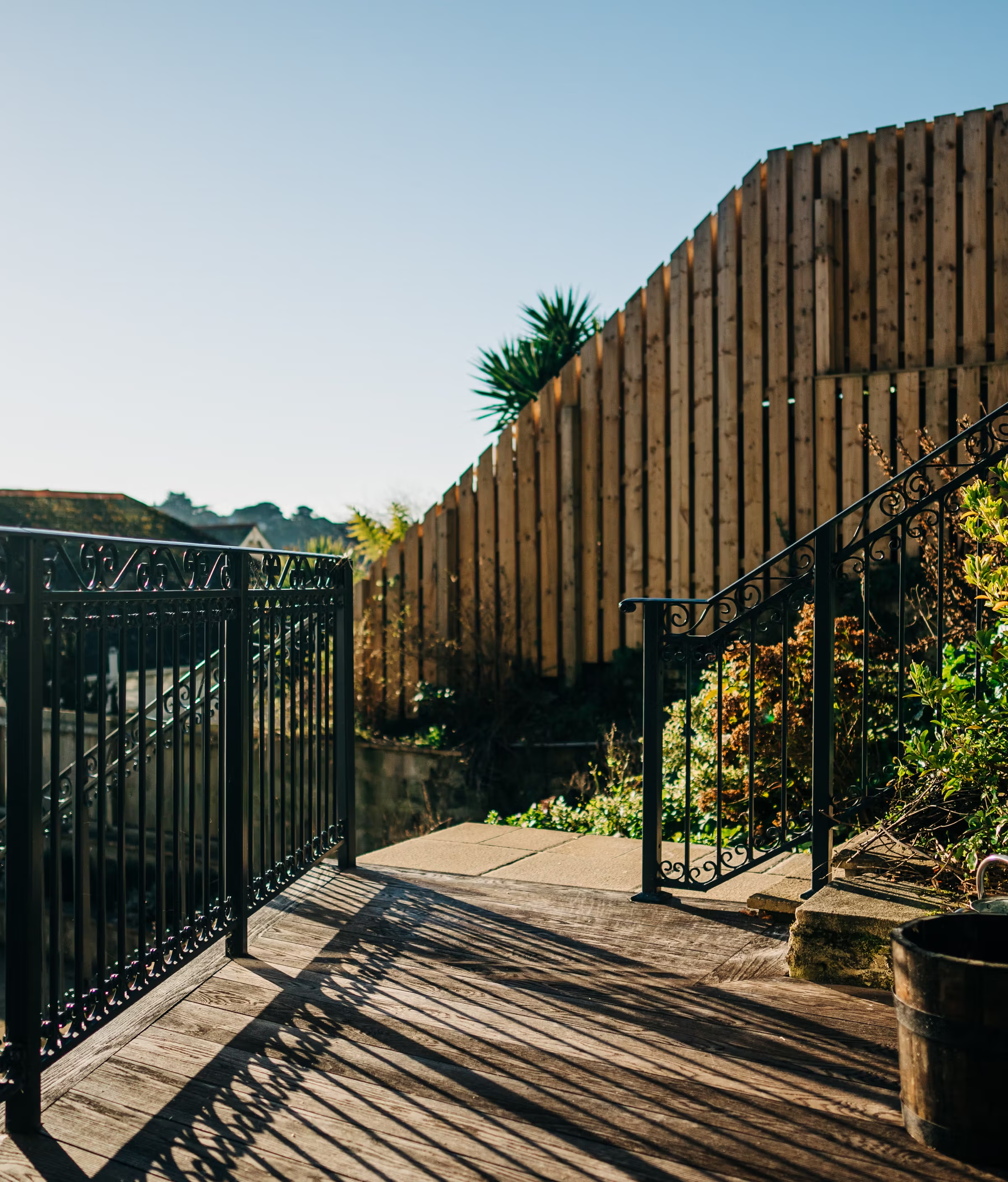
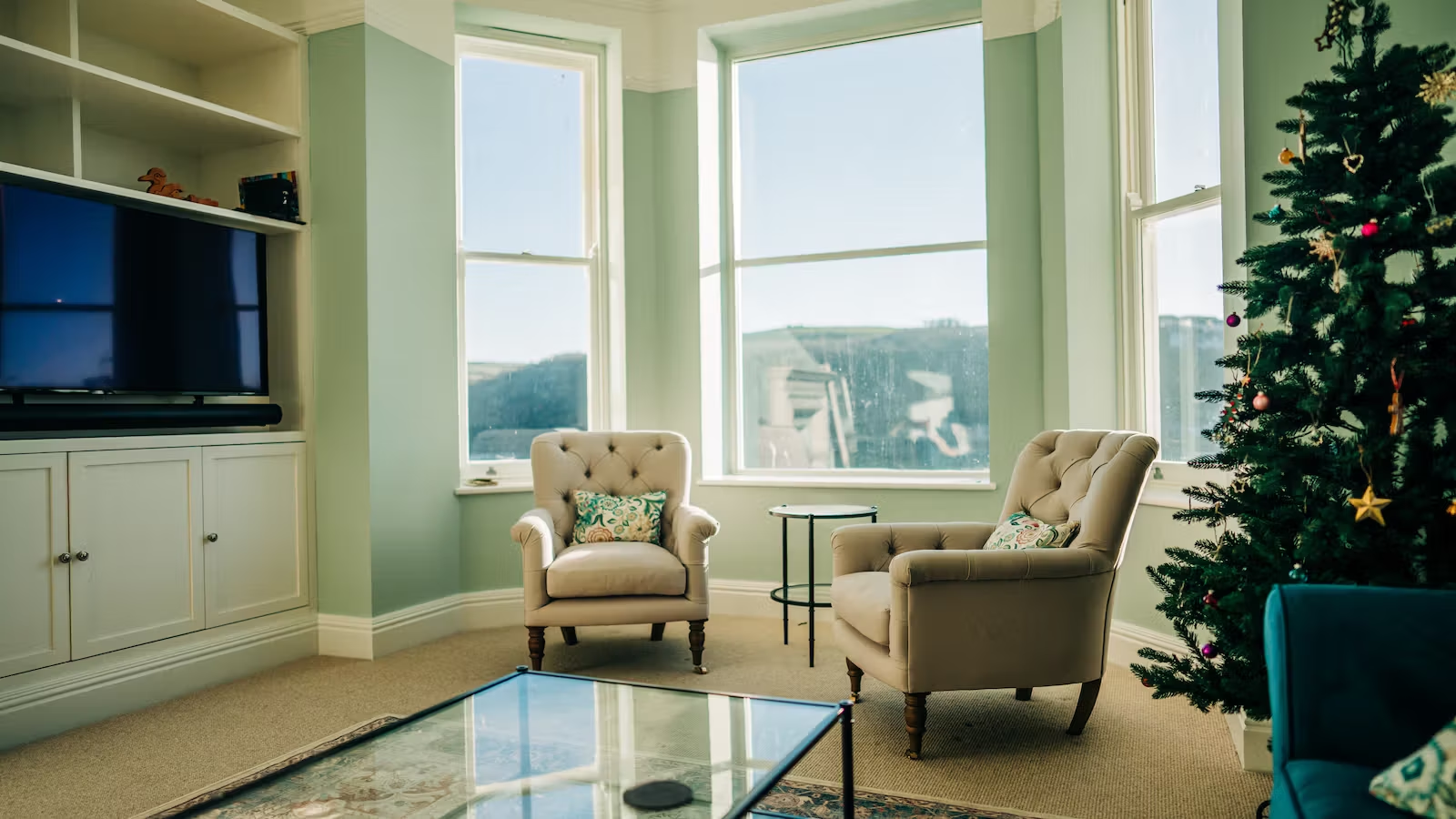
Frequently Asked Questions About Passive House Coastal Construction
What is Passive House construction?
Passive House construction is a rigorous building standard designed to create ultra-low-energy homes. These homes are highly insulated and airtight, with systems that ensure minimal energy use for heating and cooling.
What are the benefits of Passive House construction for coastal homes?
Coastal homes built to Passive House standards offer enhanced durability, reduced heating costs, superior comfort, and better resistance to harsh coastal weather conditions such as salt air and moisture.
Can Passive House standards be applied to existing homes in Cornwall?
Yes, Passive House principles can be applied to existing homes through renovations or extensions. Improving insulation, sealing leaks, and upgrading heating and ventilation systems can bring an existing home closer to Passive House standards.
Is Passive House construction more expensive to build?
While the upfront costs may be higher due to the quality of materials and systems used, Passive House construction typically results in lower energy bills and a higher return on investment over time.
What types of homes are ideal for Passive House construction in Cornwall?
Passive House construction is ideal for new builds and extensive renovations, particularly for homes located in Cornwall's coastal areas, where energy efficiency, durability, and comfort are key considerations.