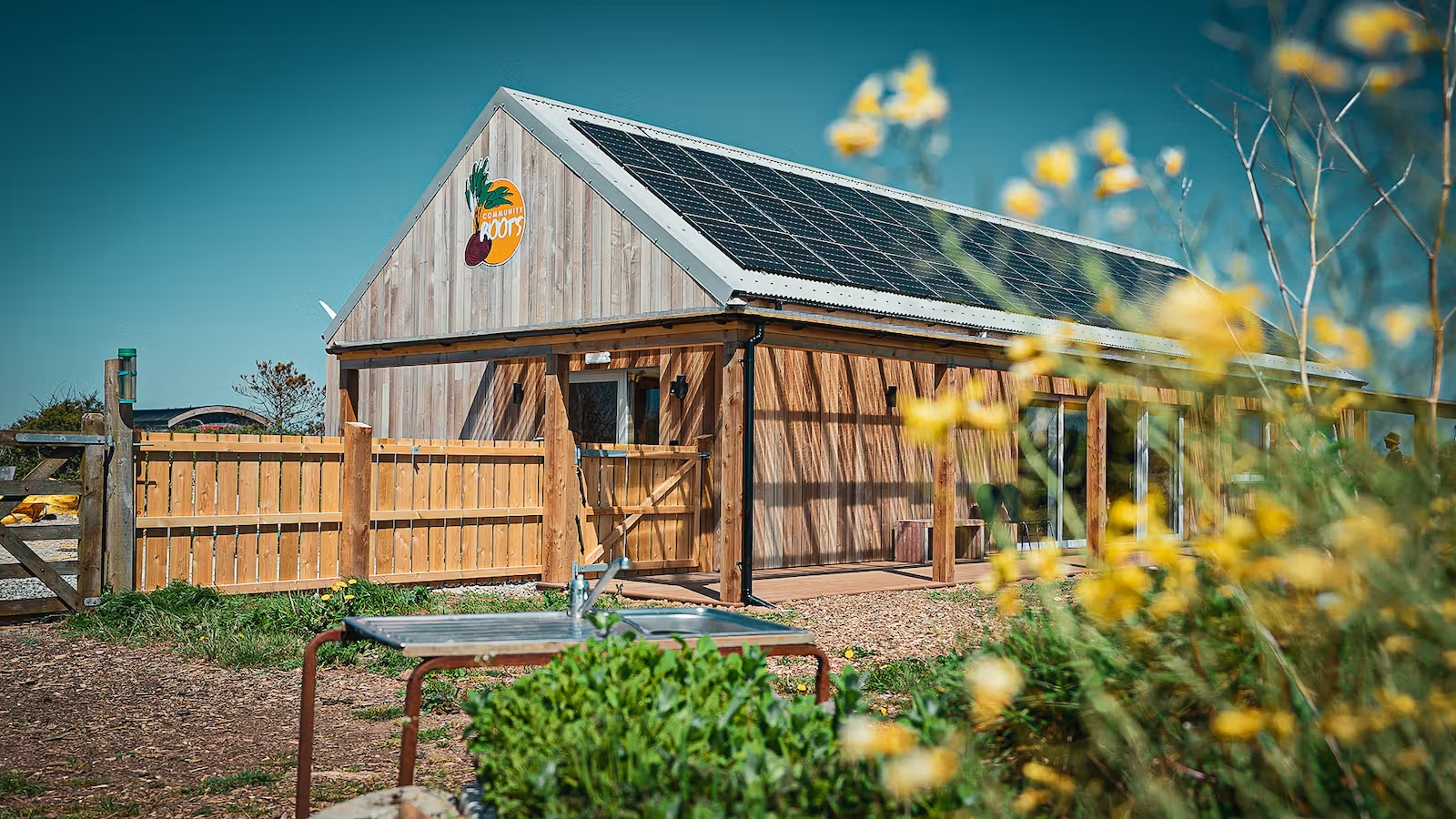
LOW CARBON & TIMBER FRAME Construction for Sustainable Living
Achieving a **LOW CARBON & TIMBER FRAME** home involves incorporating both energy-efficient building materials and construction techniques that minimize energy consumption. The timber frame construction method is known for its sustainability, using renewable materials and offering superior thermal performance. The combination of sustainable timber and energy-efficient systems reduces the overall carbon footprint of the home, making it a smart choice for those looking to live sustainably without sacrificing quality or comfort.
At Warvena Construction, we pride ourselves on delivering homes that not only look beautiful but are also built to be energy-efficient, comfortable, and environmentally friendly. By using **low carbon** principles and timber frame construction, we ensure that every home is a step toward reducing the carbon footprint of the residential sector.
What is Low Carbon Construction?
Low carbon construction focuses on reducing the carbon emissions associated with building homes. This can be achieved through a combination of materials, techniques, and systems that reduce the environmental impact of the construction process and the building's operation.
Key elements of low carbon construction include:
- Efficient use of materials: Minimizing waste and using sustainable materials, such as timber, to reduce the environmental impact.
- Energy-efficient design: Incorporating features like high-performance insulation, airtight construction, and passive design to reduce energy consumption.
- Renewable energy systems: Using solar panels, heat pumps, and other renewable systems to reduce reliance on non-renewable energy sources.
- Carbon-neutral construction: Minimizing carbon emissions during the construction process and offsetting any remaining emissions through sustainable practices.
Why Timber Frame Construction is Ideal for Low Carbon Homes
Timber frame construction offers several advantages in achieving a **low carbon** home. Timber is a renewable resource that stores carbon, making it one of the most environmentally friendly building materials available. It also has a much lower carbon footprint compared to other construction materials such as steel and concrete.
In addition to being a sustainable material, timber frame construction provides the following benefits:
- Superior insulation: Timber is a natural insulator, which helps to maintain consistent indoor temperatures and reduce energy consumption.
- Reduced waste: Timber frame construction produces less waste compared to traditional construction methods, making it a more efficient and environmentally friendly option.
- Faster construction time: Timber frame homes are quicker to build, which can reduce the overall environmental impact of the construction process.
- Durability and strength: Timber frame homes are long-lasting and require less maintenance, contributing to the overall sustainability of the home.
For homeowners in Cornwall, timber frame construction is an excellent choice for reducing carbon emissions and creating a home that performs efficiently throughout the year.
The Benefits of Low Carbon Homes in Cornwall
Building low carbon homes in Cornwall offers multiple benefits for homeowners, the environment, and the community. Some of the key advantages include:
- Energy efficiency: Low carbon homes are designed to minimize energy use, which leads to reduced utility bills and lower carbon emissions.
- Improved indoor comfort: With proper insulation and airtight construction, low carbon homes provide a more consistent indoor climate, reducing drafts and temperature fluctuations.
- Environmental impact: By using sustainable materials and renewable energy systems, low carbon homes have a significantly smaller environmental footprint.
- Higher property value: Sustainable homes are increasingly in demand, and low carbon homes often have higher resale values due to their energy-efficient features and long-term cost savings.
Building Low Carbon Homes with Warvena Construction
At Warvena Construction, we specialize in building **low carbon & timber frame** homes that meet the highest sustainability standards. We work closely with architects and homeowners to design homes that are energy-efficient, comfortable, and built to last. By using the latest building technologies and sustainable materials, we ensure that our homes deliver outstanding performance and minimal environmental impact.
To see how we’ve implemented low carbon construction practices in our projects, visit our projects.
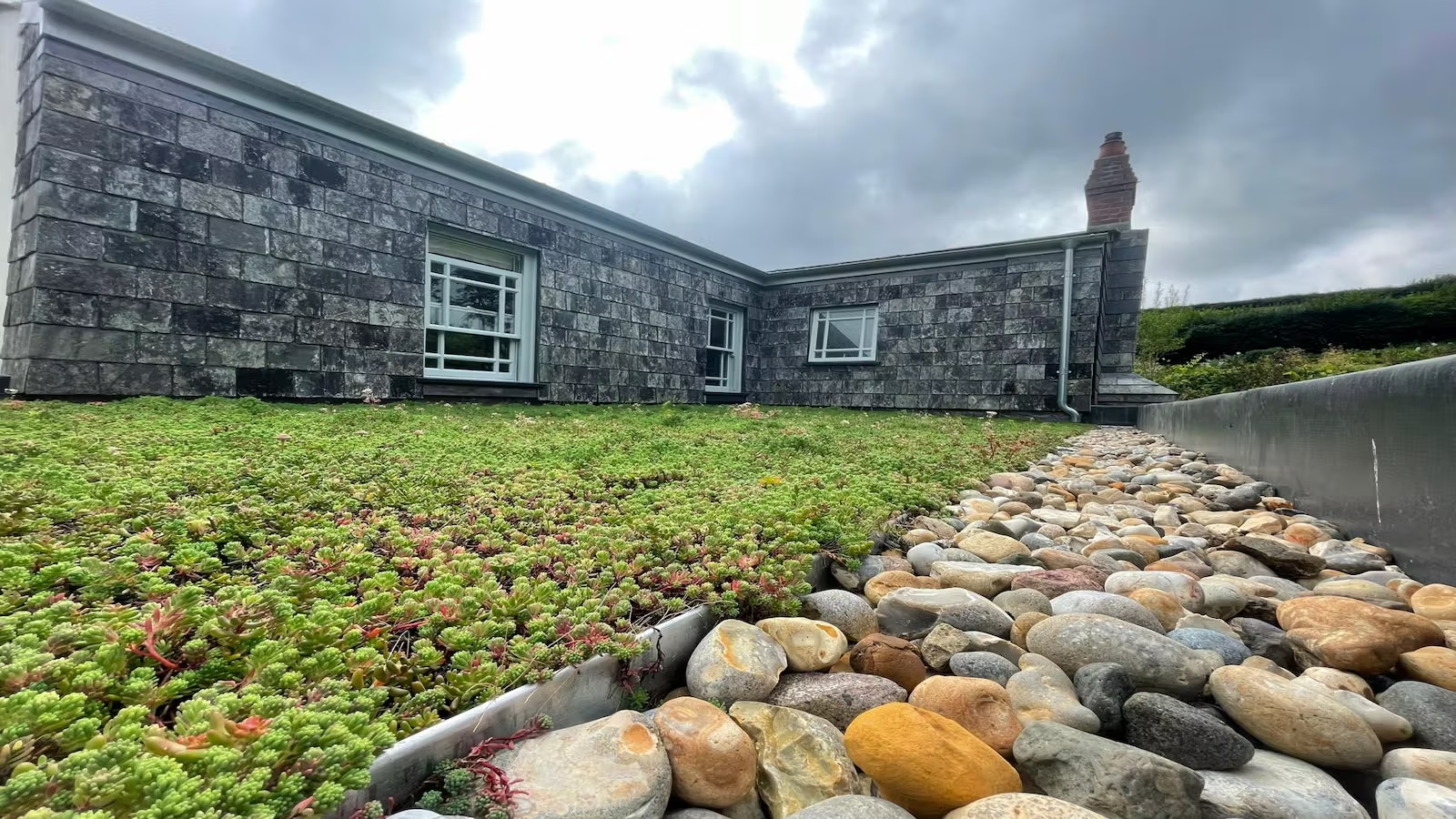
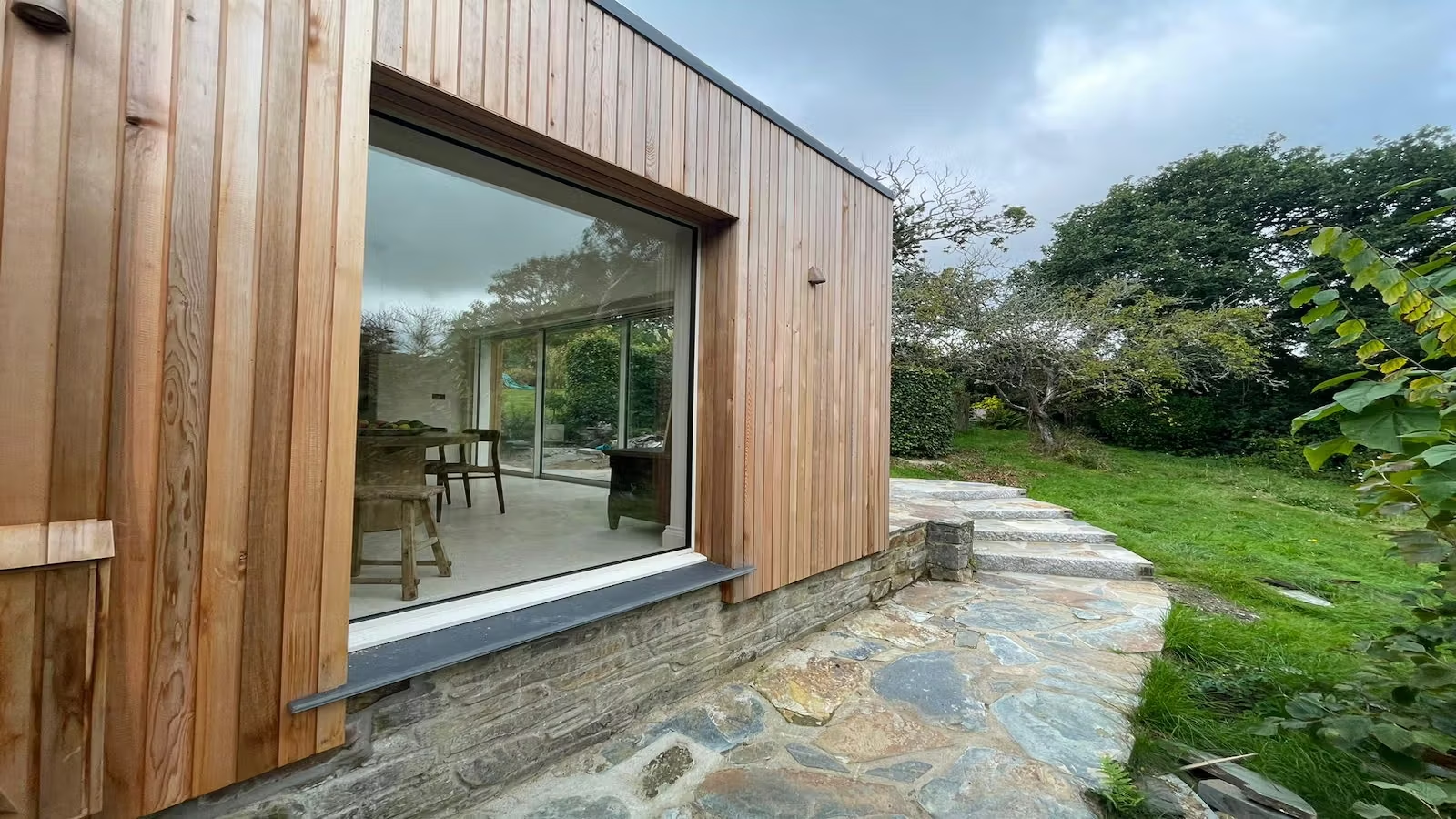
For example, The Ark showcases timber frame construction combined with energy-efficient design to create a sustainable luxury home that performs well in Cornwall’s coastal climate. Similarly, Kenwyn demonstrates how we integrate low carbon principles into home renovations to create energy-efficient and comfortable spaces.
Why Choose Warvena Construction for Low Carbon Homes in Cornwall?
At Warvena Construction, we are committed to creating high-performance homes that combine **low carbon** principles with luxury design. Whether you’re looking for a bespoke timber frame home or a high-efficiency renovation, we have the expertise to bring your vision to life.
If you’re ready to build a sustainable and luxurious low carbon home, visit the About Warvena page to learn more about our approach or get in touch with us to start your project.
Building Homes for a Sustainable Future
Low carbon construction is the future of residential building. At Warvena Construction, we’re proud to be leading the way in **low carbon & timber frame** homes in Cornwall. Our homes are designed to be energy-efficient, sustainable, and luxurious—creating a better living environment for homeowners while reducing their carbon footprint.
Frequently Asked Questions About Low Carbon Homes
What is a low carbon home?
A low carbon home is designed to minimize its environmental impact by using energy-efficient construction methods, sustainable materials, and renewable energy sources to reduce carbon emissions.
Why is timber frame construction ideal for low carbon homes?
Timber is a renewable resource with a low carbon footprint. Timber frame construction also offers excellent insulation properties, making it ideal for creating energy-efficient, low carbon homes.
What are the benefits of building a low carbon home in Cornwall?
Building a low carbon home in Cornwall offers improved energy efficiency, reduced heating and cooling costs, and a smaller carbon footprint, all while ensuring that your home is comfortable and sustainable
How much does it cost to build a low carbon home in Cornwall?
The cost of building a low carbon home can vary depending on the design, materials, and size of the property. However, the long-term savings in energy bills and maintenance costs make it a worthwhile investment.
Can existing homes be converted into low carbon homes?
Yes, existing homes can be renovated to incorporate low carbon principles by upgrading insulation, installing renewable energy systems, and improving airtightness to reduce energy consumption.