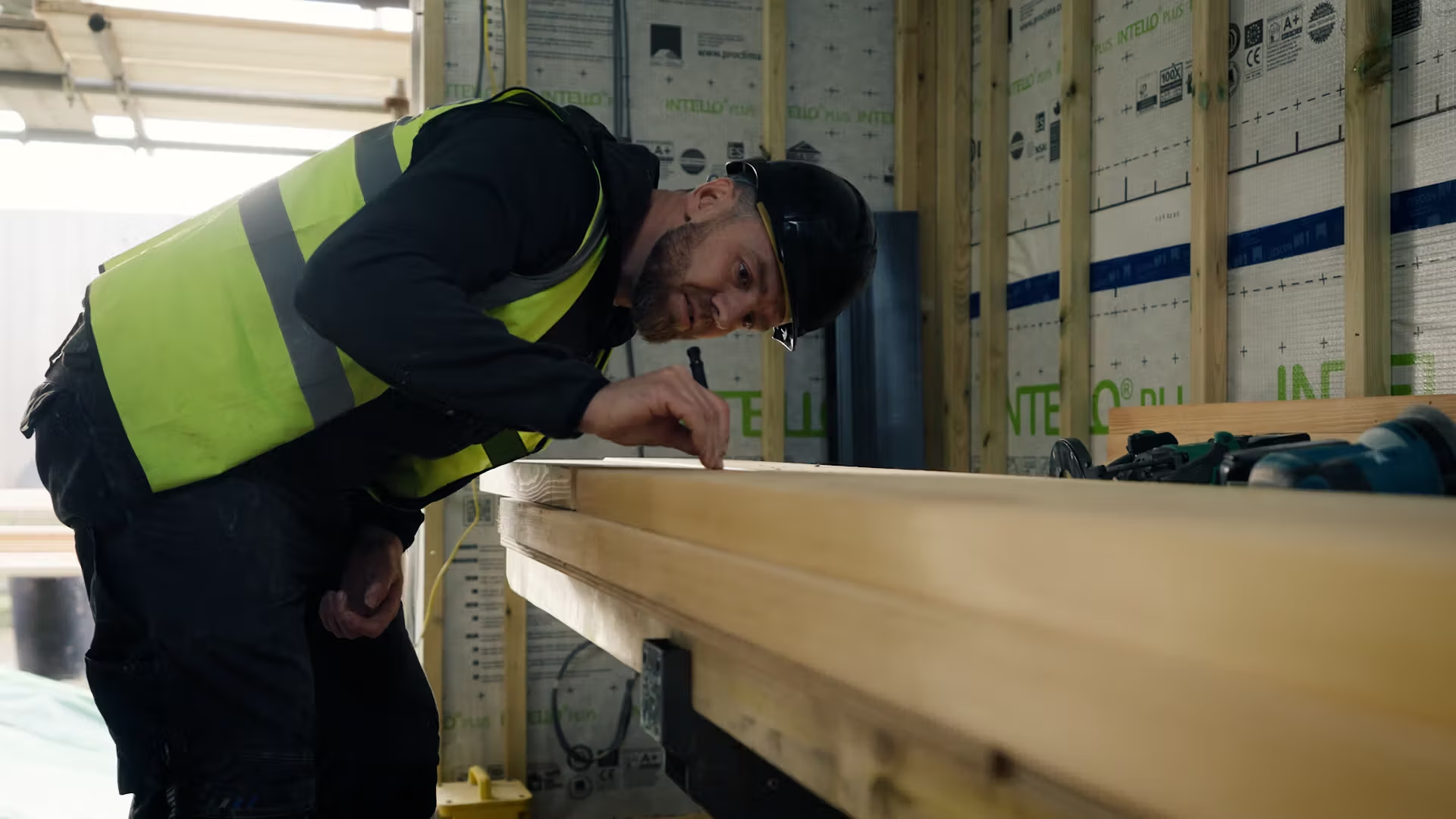
Construction Quality Control
Inspection Before Concealment
Luxury residential construction requires more than just strong design and high-quality materials. Delivering exceptional homes also depends on rigorous inspection processes that ensure every structural and technical element performs as intended.
One of the most important quality control stages in construction is inspection before concealment. This process ensures that structural components, mechanical systems, and installation details are fully verified before they are hidden behind finishes such as plasterboard, flooring, or wall cladding.
At Warvena Construction, we maintain strict quality control processes across every project. Our commitment to QUALITY & DETAIL AUTHORITY ensures that inspections are carried out carefully to maintain the highest standards of craftsmanship and construction performance.
What Is Inspection Before Concealment?
Inspection before concealment refers to the process of checking construction elements before they are covered or enclosed within the building structure. Once certain components are concealed, accessing them becomes significantly more difficult.
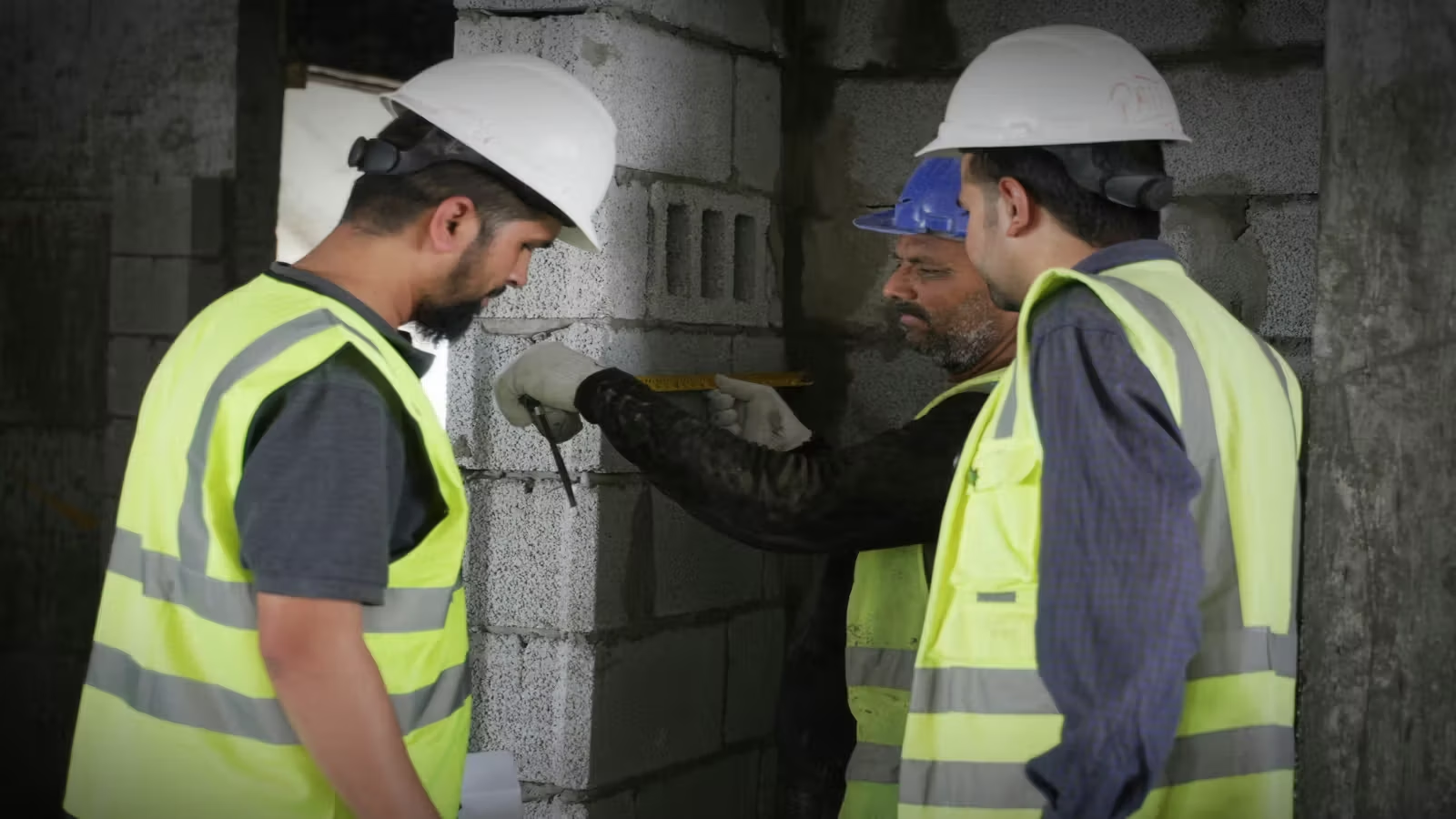
This inspection stage allows builders, engineers, and project managers to confirm that installations meet the required standards before the project moves forward.
Why Inspection Is Critical in Luxury Construction
High-end residential projects often involve complex structural systems, advanced building services, and bespoke architectural features. Inspection before concealment ensures that these elements are installed correctly and meet professional standards.
Key benefits include:
- Ensuring structural integrity
- Verifying building services installations
- Confirming compliance with design specifications
- Reducing the risk of hidden construction defects
- Maintaining long-term building performance
This level of attention to detail is essential when delivering architect-led luxury homes.
Elements Commonly Inspected Before Concealment
Many critical components of a building must be inspected before they are concealed within the structure.
- Structural framing and load-bearing elements
- Electrical and plumbing systems
- Insulation installation
- Waterproofing systems
- Mechanical ventilation and heating systems
Once these systems are covered by finishes, identifying and correcting issues can become more complicated and costly.
The Role of Quality & Detail Authority
Delivering exceptional homes requires a construction process that prioritises precision and accountability. The principle of QUALITY & DETAIL AUTHORITY ensures that every stage of construction is monitored carefully.
This includes documenting inspections, verifying installation accuracy, and ensuring that construction teams follow the agreed specifications.
Warvena Construction Quality Standards
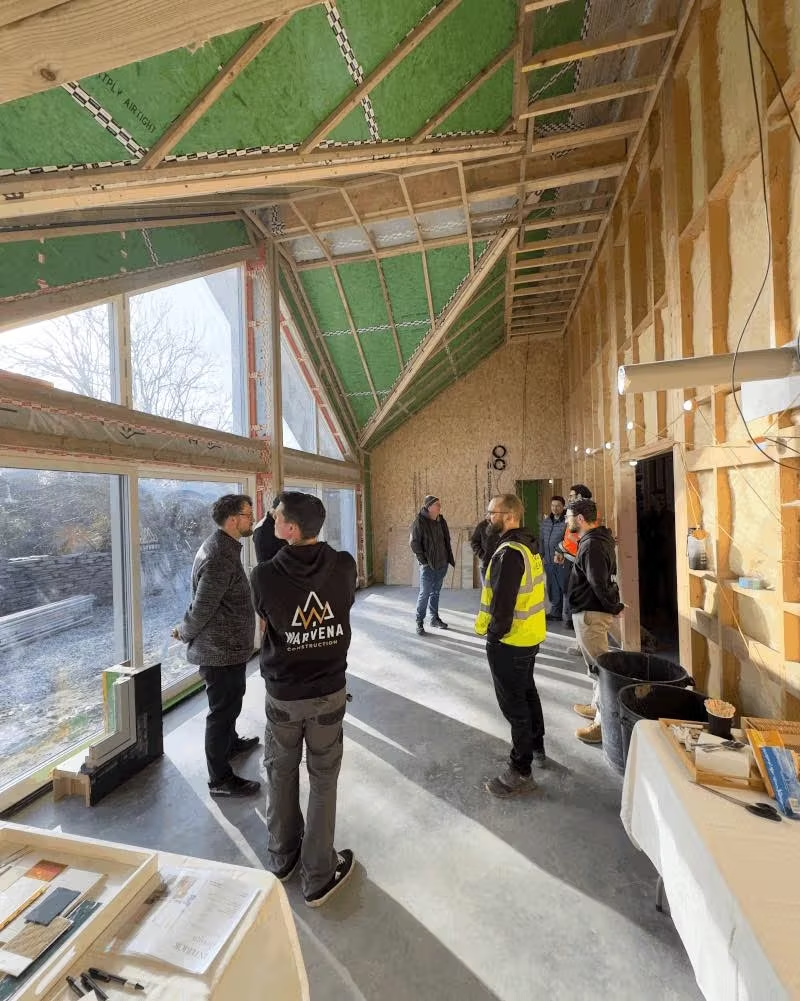
Warvena Construction delivers architect-led residential projects across Cornwall with a focus on quality craftsmanship and professional project management.
Our inspection procedures ensure that all critical building components are verified before concealment, maintaining long-term performance and reliability.
You can explore examples of our completed projects on our projects page.
Protecting Long-Term Building Quality
Inspection before concealment is one of the most effective ways to maintain quality during the construction process. By verifying installations before they are covered, builders can ensure that the structure, systems, and materials perform exactly as intended.
If you are planning a luxury residential build in Cornwall, visit our About page or contact us to discuss your project.
Frequently Asked Questions About Inspection Before Concealment
What is inspection before concealment in construction?
It is the process of inspecting structural and technical components before they are covered by finishes such as walls or flooring.
Why is this inspection stage important?
It ensures that structural systems and building services are installed correctly before they become difficult to access
What elements are inspected before concealment?
Typical elements include framing, electrical systems, plumbing, insulation, and waterproofing.
Who performs these inspections?
Inspections are typically conducted by builders, engineers, project managers, and sometimes building inspectors.
Can skipping inspections cause problems?
Yes. Without proper inspections, hidden defects can remain undetected and lead to costly repairs later