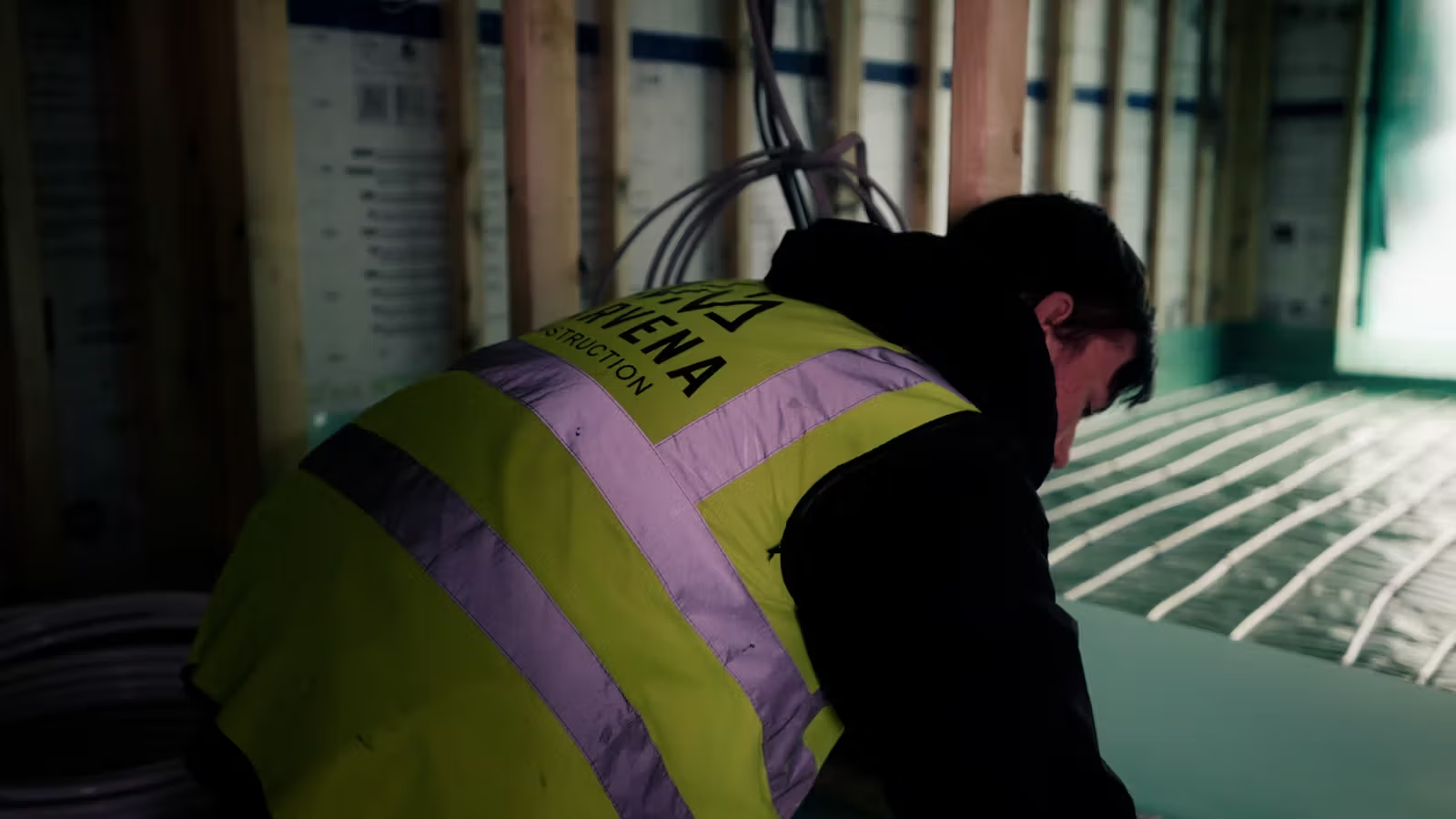
Energy Efficient Homes Cornwall
Energy Efficient Homes Cornwall are becoming an essential part of modern residential construction. As homeowners seek properties that offer both sustainability and long-term comfort, energy-efficient design has become a defining feature of high-quality homes. From advanced insulation systems to renewable energy technologies, modern homes are now built with efficiency and environmental performance in mind.
In Cornwall, where coastal weather conditions and rural environments play an important role in construction planning, energy-efficient design offers significant benefits. Well-designed homes reduce energy consumption, improve indoor comfort, and contribute to a more sustainable future.
At Warvena Construction, energy-efficient building methods are integrated into bespoke residential projects to create homes that combine sustainability with architectural excellence. Each home is designed to deliver both luxury living and long-term performance.
LUXURY & HIGH-END RESIDENTIAL AUTHORITY in Sustainable Construction
Achieving LUXURY & HIGH-END RESIDENTIAL AUTHORITY today means more than building visually impressive homes. High-end residential construction now incorporates sustainability, efficiency, and environmental responsibility alongside traditional craftsmanship.
Luxury homeowners increasingly expect their properties to perform efficiently while maintaining elegant design and superior comfort. Builders who specialise in high-end residential construction must therefore combine architectural expertise with advanced building technologies.
Energy-efficient homes demonstrate how modern construction can achieve both sustainability and luxury living.
What Makes a Home Energy Efficient?
An energy-efficient home is designed to minimise energy consumption while maintaining comfortable indoor conditions. This is achieved through a combination of intelligent design, high-performance materials, and advanced building technologies.
Key elements of energy-efficient homes include:
- High-performance insulation
- Airtight building envelopes
- Energy-efficient windows and glazing
- Renewable energy systems
- Smart heating and ventilation systems
These features work together to reduce heat loss, maintain stable indoor temperatures, and lower long-term energy costs.
The Role of Insulation and Airtightness
Insulation is one of the most important components of an energy-efficient home. High-quality insulation prevents heat from escaping during colder months and helps maintain cool indoor temperatures during warmer periods.
Airtight construction also plays a crucial role in energy efficiency. By reducing unwanted air leakage, builders can significantly improve the thermal performance of a property.
Modern building techniques allow homes to achieve exceptional levels of airtightness without compromising ventilation or indoor air quality.
The Role of Insulation and Airtightness
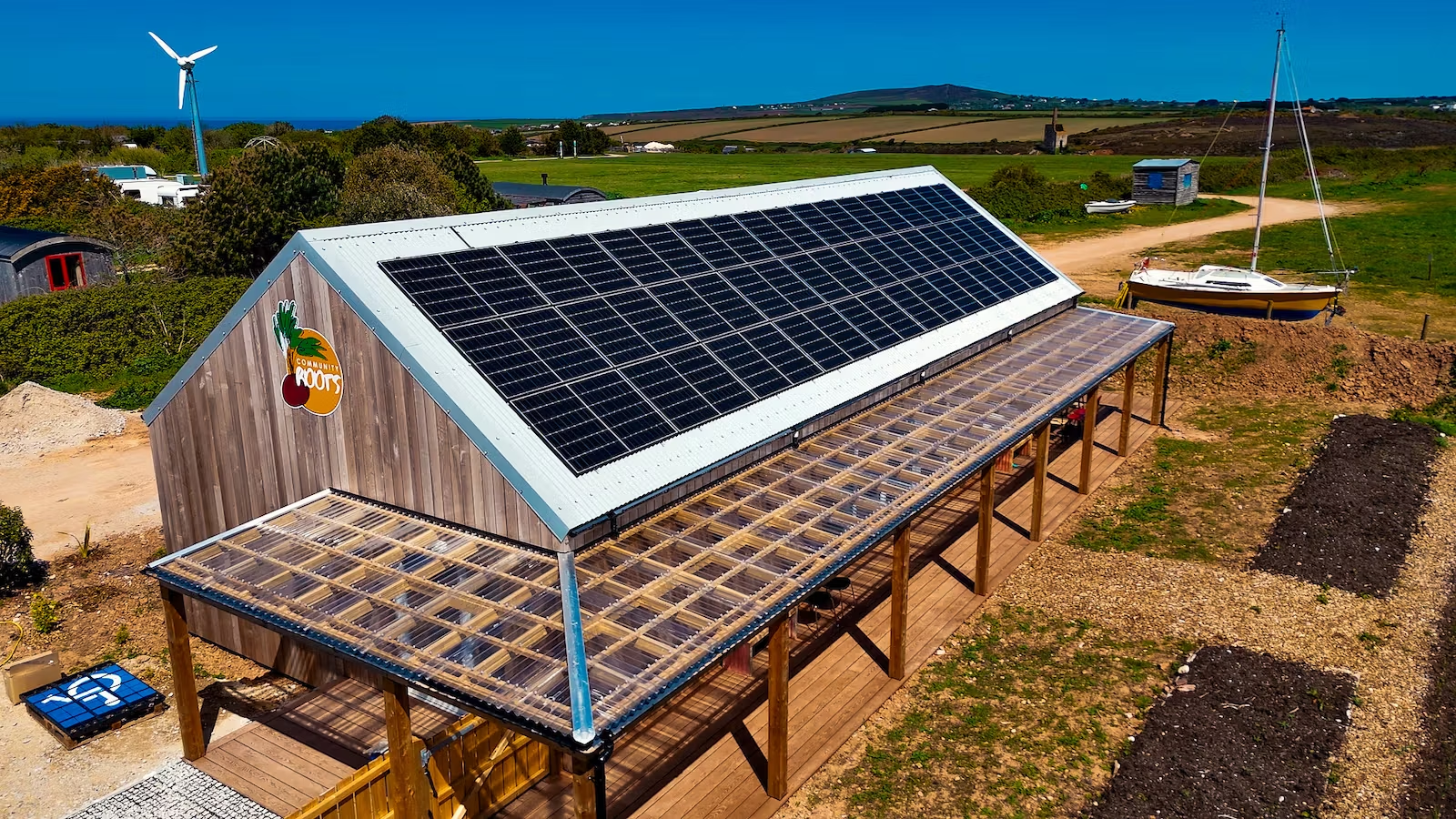
Many energy-efficient homes incorporate renewable energy systems to reduce reliance on traditional energy sources. These technologies help homeowners lower their carbon footprint while reducing long-term energy expenses.
Common renewable energy solutions include:
- Solar photovoltaic panels
- Air-source heat pumps
- Ground-source heat pumps
- Battery energy storage systems
- Smart energy management systems
When integrated into the design of the home, these technologies can significantly improve energy performance.
Renewable Energy Technologies in Modern Homes
Many energy-efficient homes incorporate renewable energy systems to reduce reliance on traditional energy sources. These technologies help homeowners lower their carbon footprint while reducing long-term energy expenses.
Common renewable energy solutions include:
- Solar photovoltaic panels
- Air-source heat pumps
- Ground-source heat pumps
- Battery energy storage systems
- Smart energy management systems
When integrated into the design of the home, these technologies can significantly improve energy performance.
Designing Energy Efficient Homes for Cornwall’s Climate
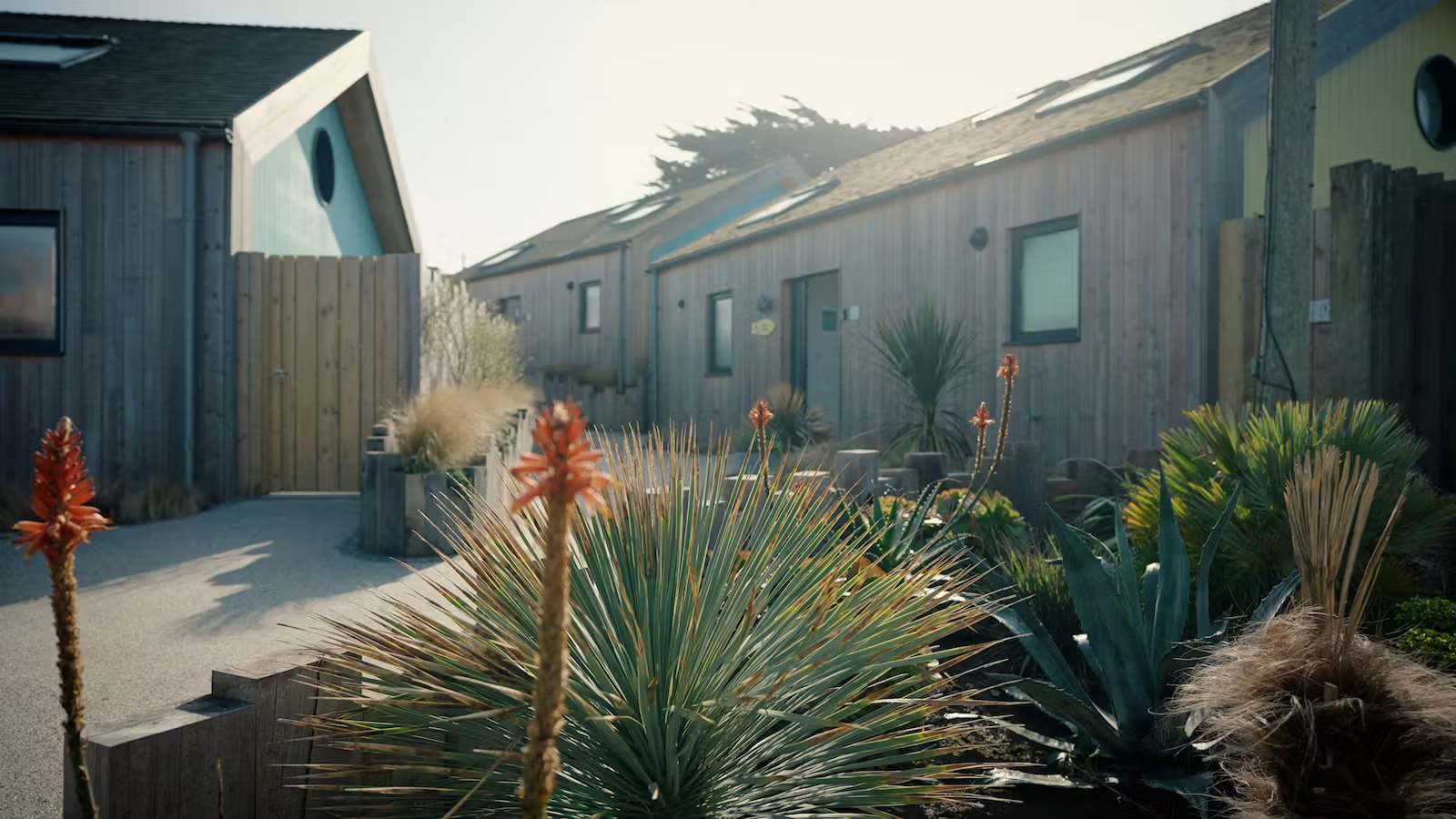
Cornwall’s coastal climate presents unique opportunities and challenges for residential construction. Wind exposure, moisture levels, and seasonal temperature changes must all be considered during the design process.
Architects and builders often orient homes to maximise natural sunlight and reduce heat loss. Large windows and glazing systems allow natural light to enter the home, reducing the need for artificial lighting during the day.
At the same time, durable materials and weather-resistant construction methods ensure the home remains comfortable and protected from coastal conditions.
Energy Efficiency and Luxury Living
Some homeowners assume that sustainable homes compromise on luxury design. In reality, energy-efficient homes often offer a higher standard of comfort and living quality.
Well-designed energy-efficient homes provide:
- Stable indoor temperatures
- Reduced heating costs
- Improved indoor air quality
- Lower environmental impact
- Higher long-term property value
These benefits make energy-efficient homes an attractive option for homeowners seeking both sustainability and luxury.
Precision Construction and Building Performance
nergy-efficient homes require precise construction techniques to achieve their intended performance. Builders must carefully install insulation, windows, and ventilation systems to ensure optimal efficiency.
Quality construction ensures that the building envelope performs as intended and that energy systems operate effectively.
This level of precision is essential for achieving the performance standards expected in modern luxury homes.
Examples of Energy Efficient Residential Projects
To see examples of high-end residential construction, you can explore our projects. These projects demonstrate how design, craftsmanship, and modern building techniques can create exceptional living environments.
One notable example is The Ark, which combines contemporary coastal design with high-quality construction and efficient building systems. Another example is Kenwyn, where thoughtful renovation and extension work transformed a traditional property into a modern, comfortable home.
Project Planning and Construction Expertise
Building an energy-efficient home requires careful planning and collaboration between architects, engineers, and builders. From early design stages to final construction, each element of the project must be aligned to achieve optimal performance.
Builders with experience in sustainable construction can guide homeowners through design decisions, material selection, and energy technology options.
This expertise ensures the final home meets both environmental and architectural goals.
Why Warvena Construction Builds Energy Efficient Homes
For homeowners interested in Energy Efficient Homes Cornwall, Warvena Construction combines traditional craftsmanship with modern building technologies.
The company works closely with architects and clients to deliver homes that balance sustainability, performance, and luxury design. You can learn more about the team on the About Warvena page.
If you have questions about planning or sustainable building methods, the FAQ page offers helpful guidance. When you are ready to begin your project, you can get in touch directly.
Building Homes for the Future
Energy-efficient homes represent the future of residential construction. By combining sustainable technologies with thoughtful design and precision construction, homeowners can create properties that offer both environmental responsibility and luxurious living.
In Cornwall, where landscape and lifestyle are closely connected, energy-efficient homes provide a practical and elegant solution for modern residential living.
Frequently Asked Questions
What is an energy-efficient home?
An energy-efficient home is designed to minimise energy use through insulation, airtight construction, and efficient heating systems.
Are energy-efficient homes more expensive to build?
While initial costs may be slightly higher, energy-efficient homes often reduce long-term energy expenses and increase property value.
What renewable energy systems are commonly used?
Solar panels, heat pumps, and smart energy systems are commonly used in energy-efficient homes.
Can older homes be upgraded to become energy efficient?
Yes. Renovation projects can include insulation upgrades, new windows, and modern heating systems to improve efficiency.