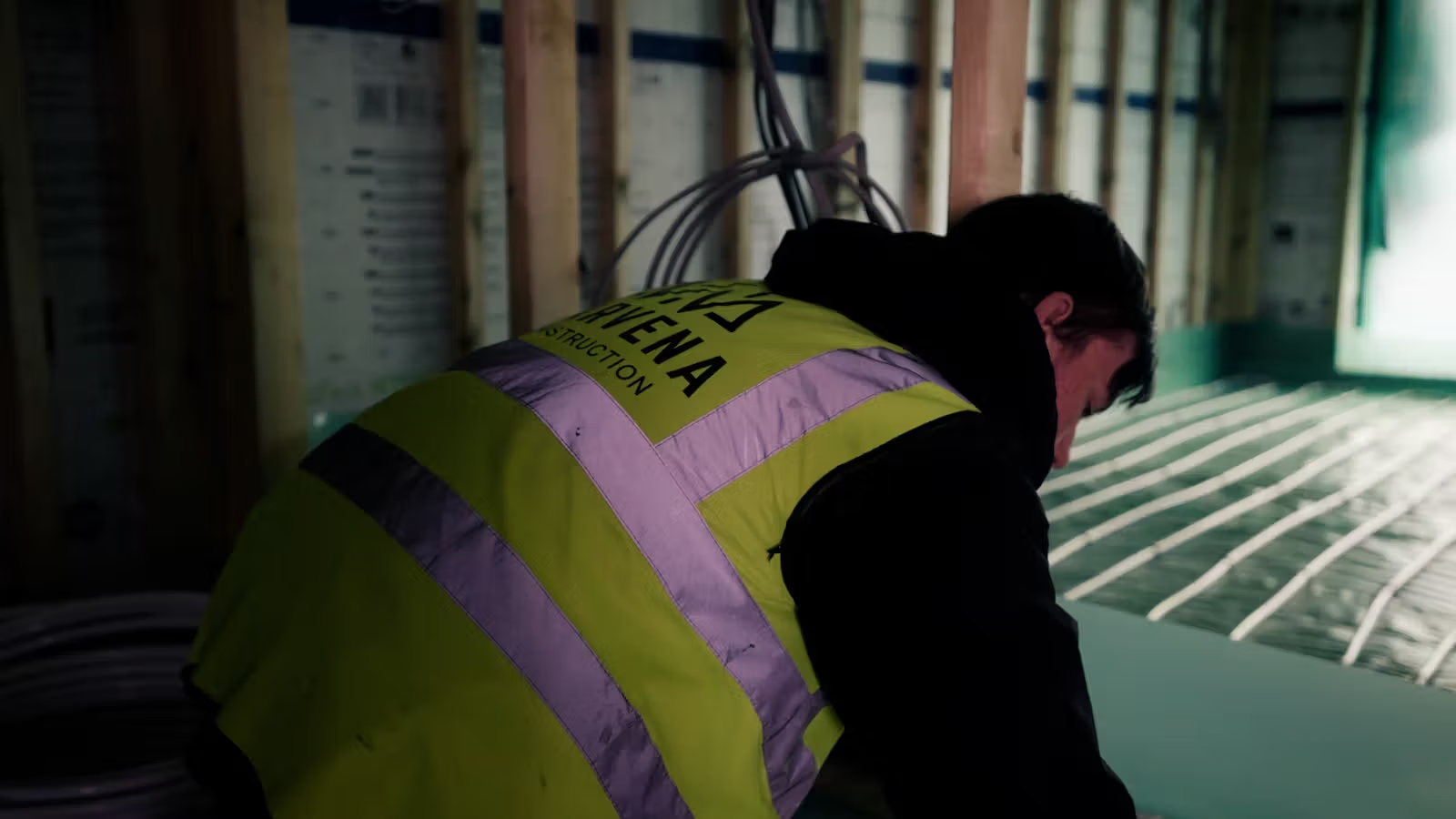
Embodied Carbon in High-End Builds
As the construction industry continues to prioritize sustainability, **embodied carbon** has become an important factor in the environmental impact of building projects. **Embodied carbon** refers to the total greenhouse gas emissions associated with the production, transportation, and installation of building materials. In high-end construction, where materials are often chosen for their aesthetics, durability, and performance, reducing embodied carbon can be a challenge.
At Warvena Construction, we are committed to creating **luxury & high-end residential authority** homes that not only look stunning but also minimize their environmental impact. By using **LOW CARBON & TIMBER FRAME** construction methods, we significantly reduce the embodied carbon in our builds, ensuring that luxury living doesn’t come at the expense of the planet.
LOW CARBON & TIMBER FRAME: Sustainable Materials for High-End Homes
Achieving a **low carbon** footprint in high-end builds begins with the materials chosen for construction. **Timber frame** construction is one of the most sustainable building methods available today, as it uses a renewable resource—wood—to create a strong and energy-efficient home. By opting for **timber frame** over more traditional materials like steel or concrete, we reduce both operational and **embodied carbon** emissions in the building process.
**Timber** is a natural carbon sink, meaning that it absorbs and stores carbon dioxide as it grows. When timber is used in construction, it helps offset the emissions associated with its production and transportation, making timber frame construction one of the most environmentally responsible options for high-end homes.
What is Embodied Carbon?
**Embodied carbon** refers to the carbon dioxide (CO2) emissions associated with the materials and processes used to create a building. This includes everything from the extraction of raw materials to their manufacture, transportation, and final installation in the building. It also includes the energy used in the construction process itself.
In high-end builds, the choice of materials can have a significant impact on the amount of **embodied carbon** in the project. Traditional building materials like concrete and steel are known to have high embodied carbon due to the energy-intensive processes involved in their production. On the other hand, materials like **timber** have a much lower embodied carbon footprint, as they are more readily available, require less energy to process, and even store carbon throughout their lifespan.
The Environmental Impact of Embodied Carbon in High-End Builds
The impact of **embodied carbon** on the environment is far-reaching. It contributes to global warming and climate change by increasing the amount of greenhouse gases in the atmosphere. In high-end construction, where large amounts of materials are often used, the embodied carbon emissions can be significant.
Reducing **embodied carbon** is essential for making buildings more sustainable. By focusing on using materials with lower carbon footprints, adopting energy-efficient building methods, and integrating renewable energy systems, we can drastically reduce the overall carbon impact of construction projects.
How Warvena Construction Reduces Embodied Carbon
At Warvena Construction, we actively reduce the **embodied carbon** in our high-end builds by choosing sustainable materials and adopting building methods that minimize environmental impact. Some of the ways we reduce embodied carbon in our projects include:
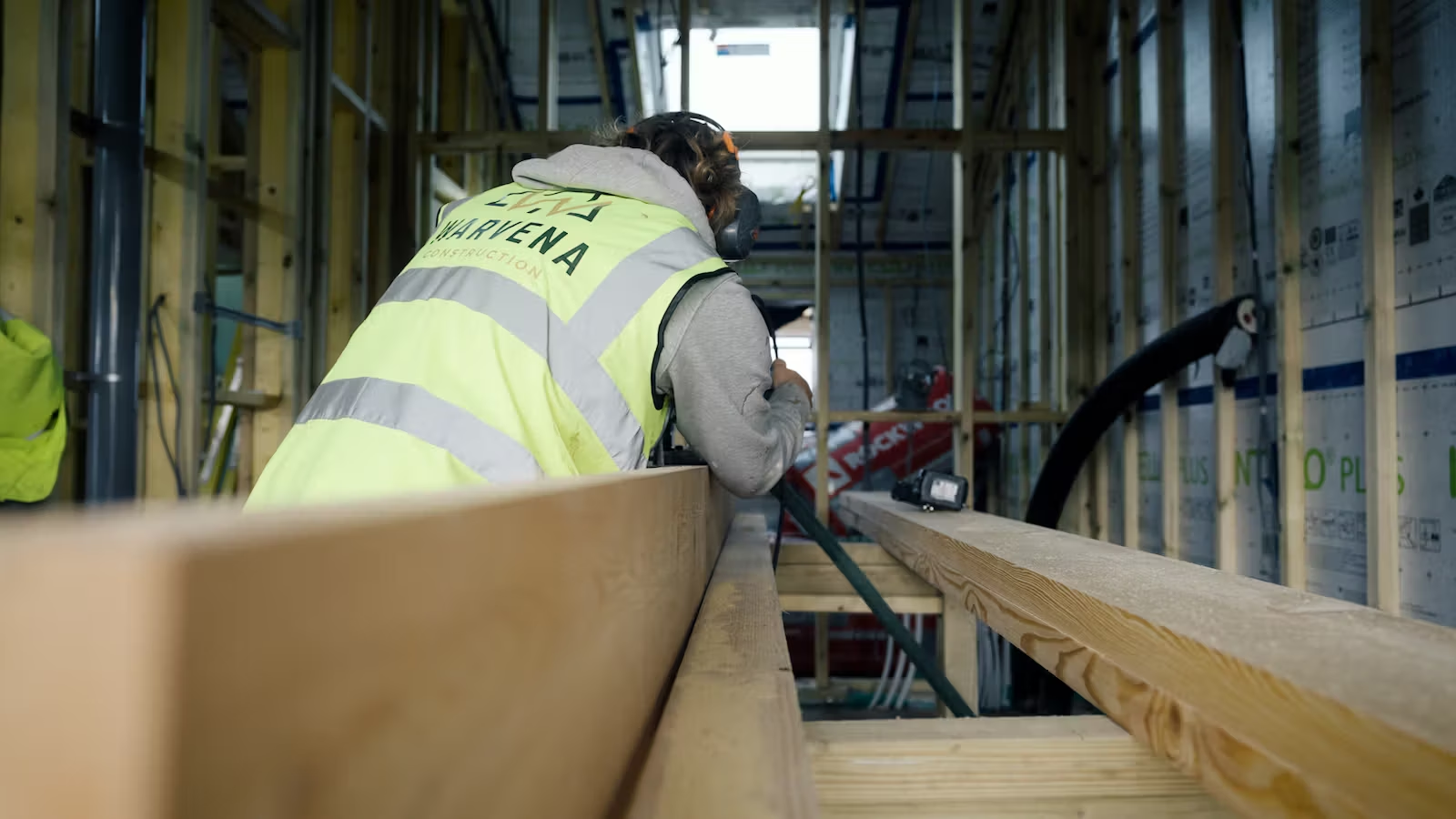
- Timber frame construction: We prioritize **timber frame** systems, which are naturally sustainable and have a much lower carbon footprint compared to steel or concrete. Timber also absorbs and stores carbon, offsetting emissions.
- Locally sourced materials: We choose materials that are locally sourced, reducing the carbon emissions associated with transportation.
- Energy-efficient design: We integrate passive design principles and energy-efficient systems to reduce the operational carbon footprint of the home, leading to lower long-term energy use.
- Recycled and low-carbon materials: Where possible, we use recycled materials or those with a lower embodied carbon footprint, such as recycled steel or sustainably sourced wood.
By implementing these strategies, we create homes that are not only luxurious and beautiful but also environmentally responsible, helping to ensure a sustainable future for the next generation.
Benefits of Reducing Embodied Carbon in High-End Homes
Reducing **embodied carbon** in high-end homes provides several significant benefits:
- Environmental sustainability: Lowering the **embodied carbon** in construction helps reduce the home’s overall carbon footprint, contributing to the fight against climate change.
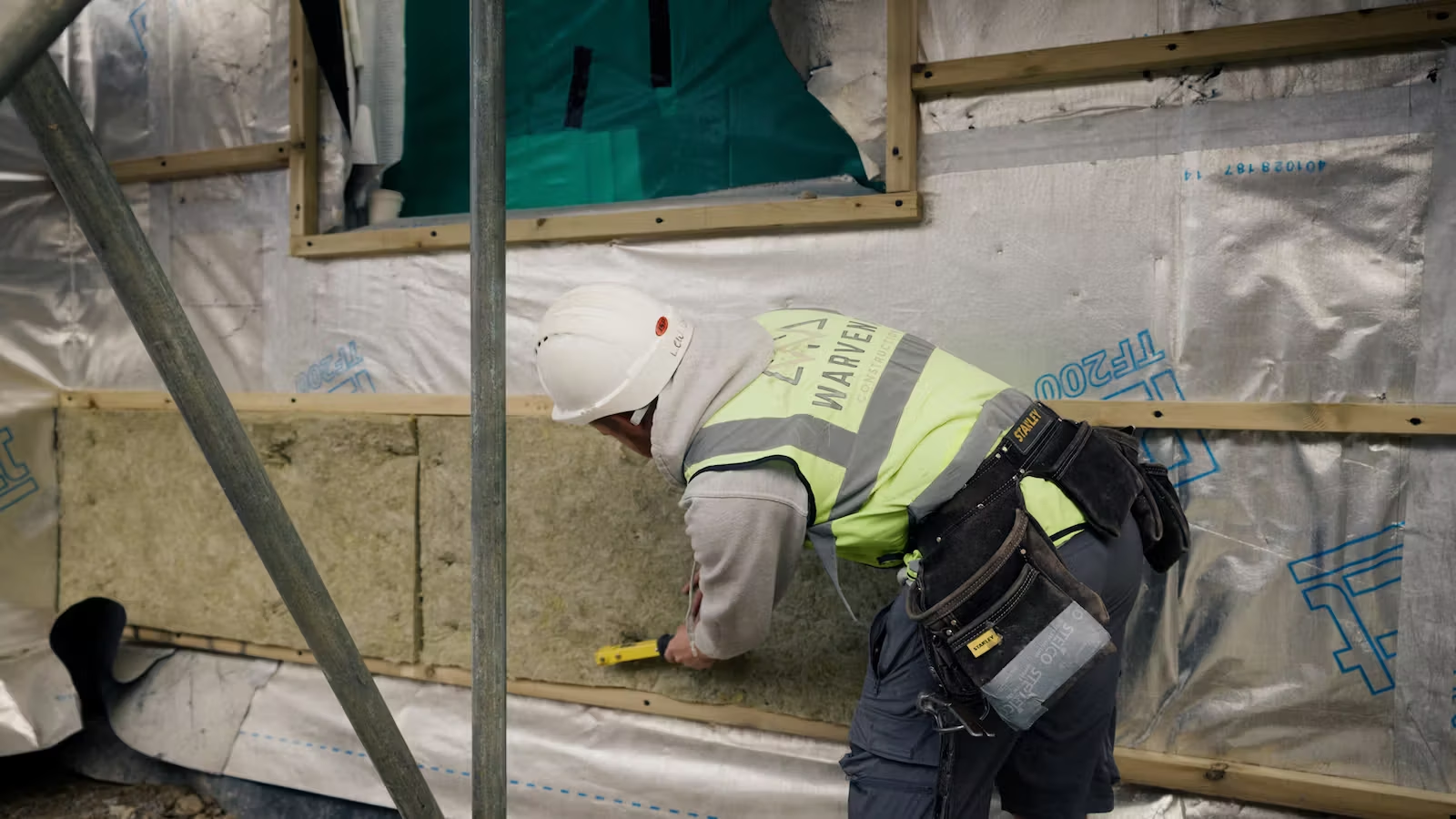
- Energy efficiency: Homes built with sustainable materials like **timber frame** are often more energy-efficient, reducing the demand for heating and cooling and minimizing long-term energy consumption.
- Increased property value: Sustainable homes are becoming more attractive to buyers who are looking for eco-friendly, energy-efficient properties, leading to higher resale value.
- Healthier indoor environments: Sustainable materials contribute to better indoor air quality, making the home healthier for its occupants.
Examples of Low Carbon High-End Builds by Warvena Construction
At Warvena Construction, we have delivered several **low carbon** homes that incorporate **timber frame** construction and sustainable building practices. You can explore some of our completed projects on our projects page.
For example, The Ark is a stunning coastal home built with **timber frame** construction to minimize **embodied carbon** while achieving high energy efficiency. Similarly, Kenwyn demonstrates how we incorporate low-carbon principles into a complete renovation, creating a modern, sustainable, and comfortable home.
Why Choose Warvena Construction for Your High-End, Low Carbon Home?
Warvena Construction specializes in **low carbon & timber frame** homes, ensuring that every home we build not only meets the highest standards of luxury but also minimizes its environmental impact. Our commitment to sustainability and energy efficiency makes us the ideal partner for homeowners looking to create a sustainable, high-performance home.
If you're looking for a trusted builder for your **low carbon** or **timber frame** home in Cornwall, get in touch with us today. Visit our About Warvena page to learn more or contact us to discuss your project.
Building Homes for a Sustainable Future
At Warvena Construction, we believe in building homes that are not only beautiful and luxurious but also sustainable and energy-efficient. By reducing **embodied carbon** and incorporating **low carbon & timber frame** methods, we ensure that our homes help reduce environmental impact while providing comfort and style for years to come.
Frequently Asked Questions About Embodied Carbon in High-End Builds
What is embodied carbon?
Embodied carbon refers to the greenhouse gas emissions associated with the production, transportation, and installation of building materials. It includes all emissions up until the point the building is completed.
Why is embodied carbon important in high-end builds?
High-end builds often use more materials and resources, leading to higher embodied carbon. Reducing embodied carbon helps make luxury homes more sustainable, energy-efficient, and environmentally responsible.
How can embodied carbon be reduced in construction?
Embodied carbon can be reduced by using sustainable materials like **timber**, locally sourced products, recycled materials, and energy-efficient construction methods. Choosing low-carbon materials and reducing waste also helps lower embodied carbon
How does timber frame construction reduce embodied carbon?
Timber is a renewable material that absorbs and stores carbon. By using timber in construction, we help offset the carbon emissions associated with its production and transportation, making timber frame construction an ideal choice for reducing embodied carbon in homes.
Can existing high-end homes be renovated to reduce embodied carbon?
Yes, existing homes can be renovated to reduce embodied carbon by upgrading insulation, improving airtightness, and incorporating sustainable materials and energy-efficient systems into the renovation.