Cliff-Top Construction Strategy | Low Carbon & Timber Frame Coastal Homes
Cliff-Top Construction Strategy
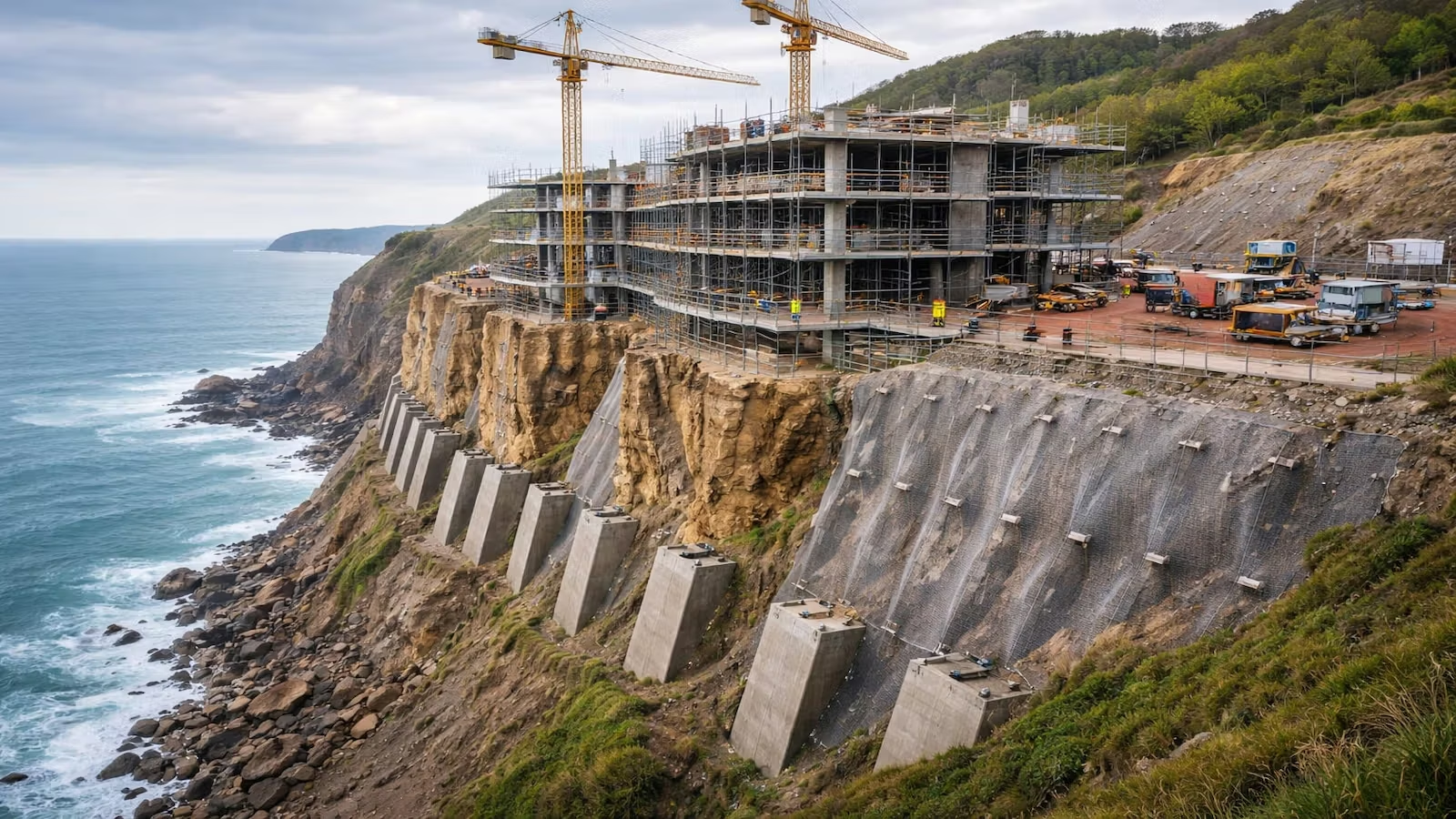
Constructing homes on cliff-top locations offers some of the most breathtaking views in Cornwall, but it also requires careful engineering, planning, and specialist construction techniques. Cliff-top sites are exposed to strong winds, salt air, and shifting coastal conditions, making it essential to design homes that can withstand these environmental factors.
At Warvena Construction, we specialise in building high-performance coastal homes using LOW CARBON & TIMBER FRAME construction methods. By combining sustainable materials with advanced engineering strategies, we ensure that homes built on cliff-top sites are durable, energy-efficient, and environmentally responsible.
LOW CARBON & TIMBER FRAME Construction for Cliff-Top Homes
One of the most effective building approaches for cliff-top properties is LOW CARBON & TIMBER FRAME construction. Timber frame structures are lightweight yet structurally strong, allowing them to adapt to challenging terrain and coastal conditions.
Because timber is a renewable material that stores carbon throughout its lifecycle, it also helps reduce the environmental footprint of residential construction. Combined with high-performance insulation and modern building membranes, timber frame homes deliver exceptional energy efficiency while maintaining structural resilience in exposed coastal environments.
Challenges of Building on Cliff-Top Locations
Cliff-top construction presents unique challenges that must be carefully addressed during the design and planning phases. Coastal properties are exposed to environmental factors that can influence both the structural design and the materials used.
- Strong coastal winds
- Salt air exposure
- Ground stability and erosion considerations
- Planning regulations for coastal landscapes
- Drainage and water management
Addressing these challenges requires experienced builders who understand coastal construction and can implement the right engineering solutions.
Engineering Strategies for Cliff-Top Construction
Successful cliff-top construction relies on a combination of structural engineering and intelligent design strategies. Several techniques are commonly used to ensure long-term stability and durability.
- Reinforced foundations designed for coastal terrain
- Wind-resistant structural systems to handle high wind loads
- Marine-grade materials to resist salt corrosion
- Drainage systems to protect cliff stability
- Carefully planned building orientation to reduce wind pressure
When these strategies are combined with LOW CARBON & TIMBER FRAME construction, homes can achieve both sustainability and structural performance.
Sustainable Coastal Architecture
Modern coastal homes must balance architectural design with environmental responsibility. Cliff-top properties often provide opportunities for large windows, open layouts, and panoramic sea views. However, sustainable construction ensures that these homes also maintain high levels of energy efficiency.
Timber frame construction supports these goals by allowing flexible architectural designs while maintaining strong structural performance. When combined with renewable energy systems, high-performance glazing, and efficient insulation, coastal homes can significantly reduce energy consumption.
Warvena Construction Coastal Projects
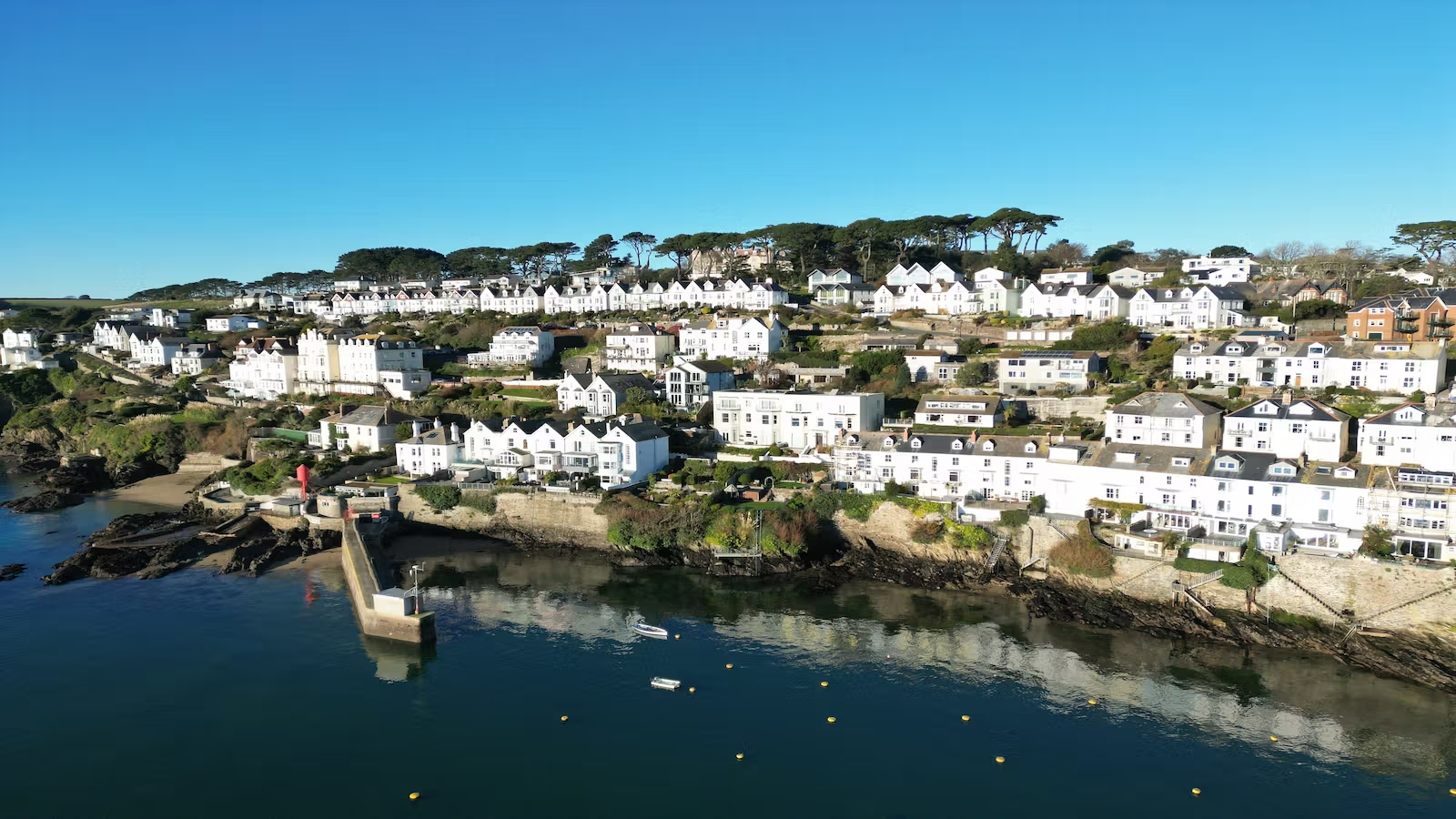
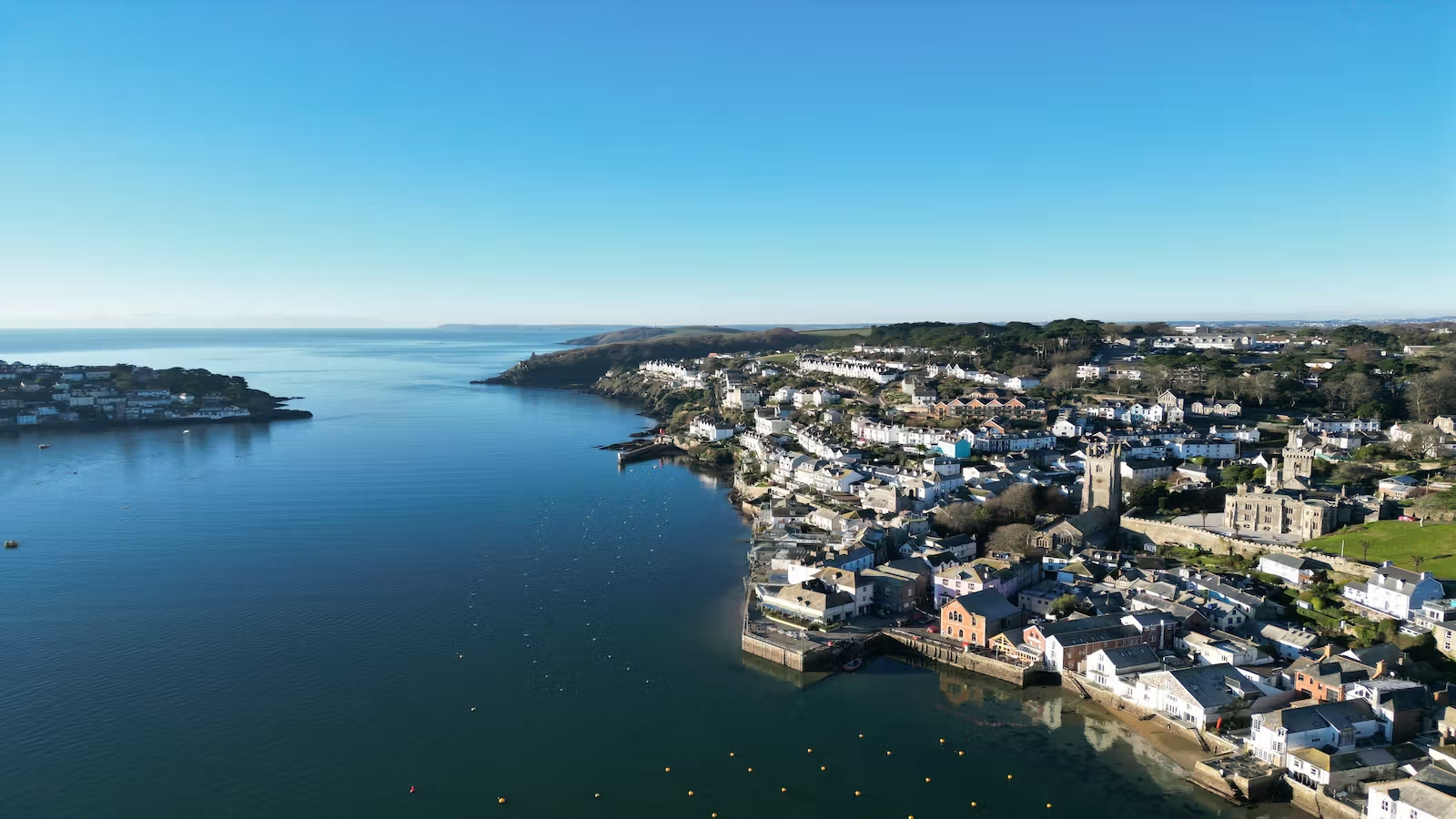
Warvena Construction has delivered a range of coastal homes across Cornwall using sustainable building techniques and advanced structural engineering.
You can explore examples of our work on the projects page.
Featured projects include:
Why Choose Warvena Construction
Building on cliff-top sites requires specialist expertise in both coastal engineering and sustainable construction. Warvena Construction combines architectural craftsmanship with LOW CARBON & TIMBER FRAME building techniques to deliver homes designed for Cornwall’s coastal conditions.
If you’re planning a cliff-top home, visit our About page or contact us to discuss your project.
Building Sustainable Homes on Cornwall’s Coastline
Cliff-top homes offer exceptional views and unique architectural opportunities. With the right engineering strategies and sustainable materials, these homes can deliver both long-term durability and energy efficiency. Warvena Construction is committed to creating coastal homes that combine modern design with responsible building practices.
Frequently Asked Questions About Cliff-Top Construction
What is cliff-top construction?
Cliff-top construction refers to building homes on elevated coastal locations near cliffs. These projects require specialised engineering and materials to ensure structural stability and resistance to coastal weather conditions.
Why is timber frame construction suitable for cliff-top homes?
Timber frame construction is lightweight yet strong, making it suitable for challenging terrain. It also provides excellent insulation and sustainability benefits compared with traditional masonry construction.
What challenges do cliff-top homes face?
Cliff-top homes must withstand strong winds, salt exposure, and potential ground movement. Proper engineering, drainage systems, and durable materials help address these challenges.
How does low carbon construction benefit coastal homes?
Low carbon construction uses renewable materials such as timber to reduce environmental impact while maintaining strong structural performance and energy efficiency.
Can cliff-top homes be energy efficient?
Yes. With modern insulation, high-performance glazing, and sustainable construction methods, cliff-top homes can achieve excellent energy efficiency while offering stunning coastal views.