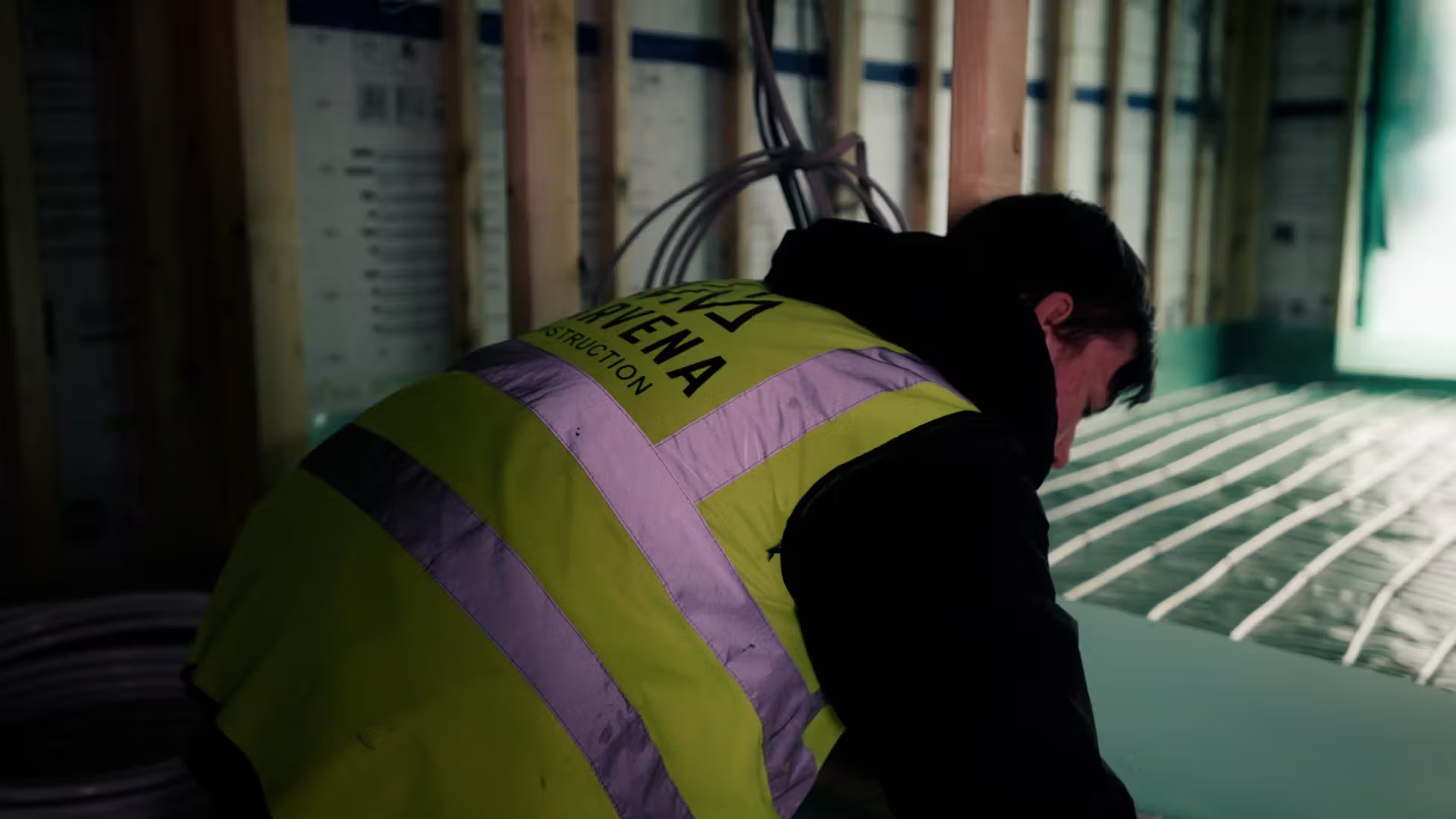
LOW CARBON & TIMBER FRAME
Carbon Reduction Strategy in Residential Builds
As the demand for sustainable homes continues to grow, reducing carbon emissions in the construction process has become a crucial focus for builders. At Warvena Construction, we understand the importance of **carbon reduction** in residential builds. By incorporating **LOW CARBON & TIMBER FRAME** construction methods, we help create homes that not only minimize environmental impact but also provide energy-efficient and sustainable living spaces. Our approach focuses on reducing carbon emissions at every stage of the building process, from design to construction and beyond.
In this article, we’ll explore the key components of a **Carbon Reduction Strategy** in residential construction and how Warvena Construction uses **timber frame** techniques and sustainable practices to create homes that are built for the future.
LOW CARBON & TIMBER FRAME: The Foundation of a Carbon Reduction Strategy
**LOW CARBON & TIMBER FRAME** construction is a cornerstone of our **carbon reduction strategy**. Timber is one of the most sustainable building materials available, as it is renewable, biodegradable, and naturally absorbs and stores carbon throughout its lifecycle. When used in residential builds, **timber** helps to significantly reduce the carbon footprint of the home.
By using **timber frame** construction, we also reduce the need for more carbon-intensive materials like steel and concrete. **Timber frame** homes are naturally energy-efficient, as timber offers excellent insulation properties, reducing the need for artificial heating and cooling. This not only reduces the environmental impact during construction but also lowers the home’s long-term energy consumption, contributing to a **low carbon** future.
What is a Carbon Reduction Strategy in Residential Construction?
A **Carbon Reduction Strategy** in residential construction involves implementing practices and technologies that minimize carbon emissions at every stage of the building process. This strategy aims to reduce both the **embodied carbon** (emissions from materials and construction) and the **operational carbon** (emissions from energy use in the home) associated with building a home.
Key components of a **Carbon Reduction Strategy** include:
- Sustainable materials: Choosing low-carbon, renewable, and locally sourced materials, such as **FSC-certified timber**, helps reduce the environmental impact of the building.
- Energy-efficient design: Incorporating design features like passive solar heating, high-performance insulation, and airtight construction helps reduce the energy required to heat and cool the home.
- Renewable energy systems: Integrating renewable energy sources, such as solar panels, heat pumps, and wind turbines, helps to offset the home’s carbon emissions and reduce dependence on fossil fuels.
- Waste reduction: Minimizing construction waste by reusing materials and reducing unnecessary waste during the building process helps lower the overall carbon footprint.
At Warvena Construction, we use **LOW CARBON & TIMBER FRAME** techniques to implement a **carbon reduction strategy** that not only creates a high-performance home but also supports our commitment to sustainability and environmental responsibility.
The Benefits of a Carbon Reduction Strategy in Residential Builds
Implementing a **carbon reduction strategy** in residential construction offers numerous benefits, both for homeowners and the environment:
- Lower energy costs: Homes built with **LOW CARBON & TIMBER FRAME** methods are highly energy-efficient, reducing the need for artificial heating and cooling, which leads to lower utility bills.
- Reduced carbon footprint: Using sustainable materials like timber, integrating renewable energy systems, and optimizing energy efficiency all contribute to a reduced carbon footprint over the life of the home.
- Improved indoor air quality: **Energy-efficient homes** with proper ventilation and insulation create healthier living environments by reducing drafts and moisture buildup.
- Long-term sustainability: Homes built with **timber frame** construction are durable, long-lasting, and can be easily maintained, providing long-term value for homeowners.
- Increased property value: As demand for sustainable homes increases, homes built with a **carbon reduction strategy** are more likely to retain or increase in value due to their eco-friendly features.
How Warvena Construction Implements a Carbon Reduction Strategy
- At Warvena Construction, we incorporate a comprehensive **carbon reduction strategy** into every **residential build**. Here’s how we ensure that our homes are both sustainable and energy-efficient:
- Timber frame construction: We use **timber frame** as the primary building material, which helps to reduce the carbon footprint of the home while providing natural insulation.
- Energy-efficient designs: Our homes are designed to maximize natural light, heat, and ventilation, reducing the need for artificial energy use.
- Renewable energy systems: We integrate renewable energy solutions like solar panels, heat pumps, and energy-efficient HVAC systems to reduce operational carbon emissions.
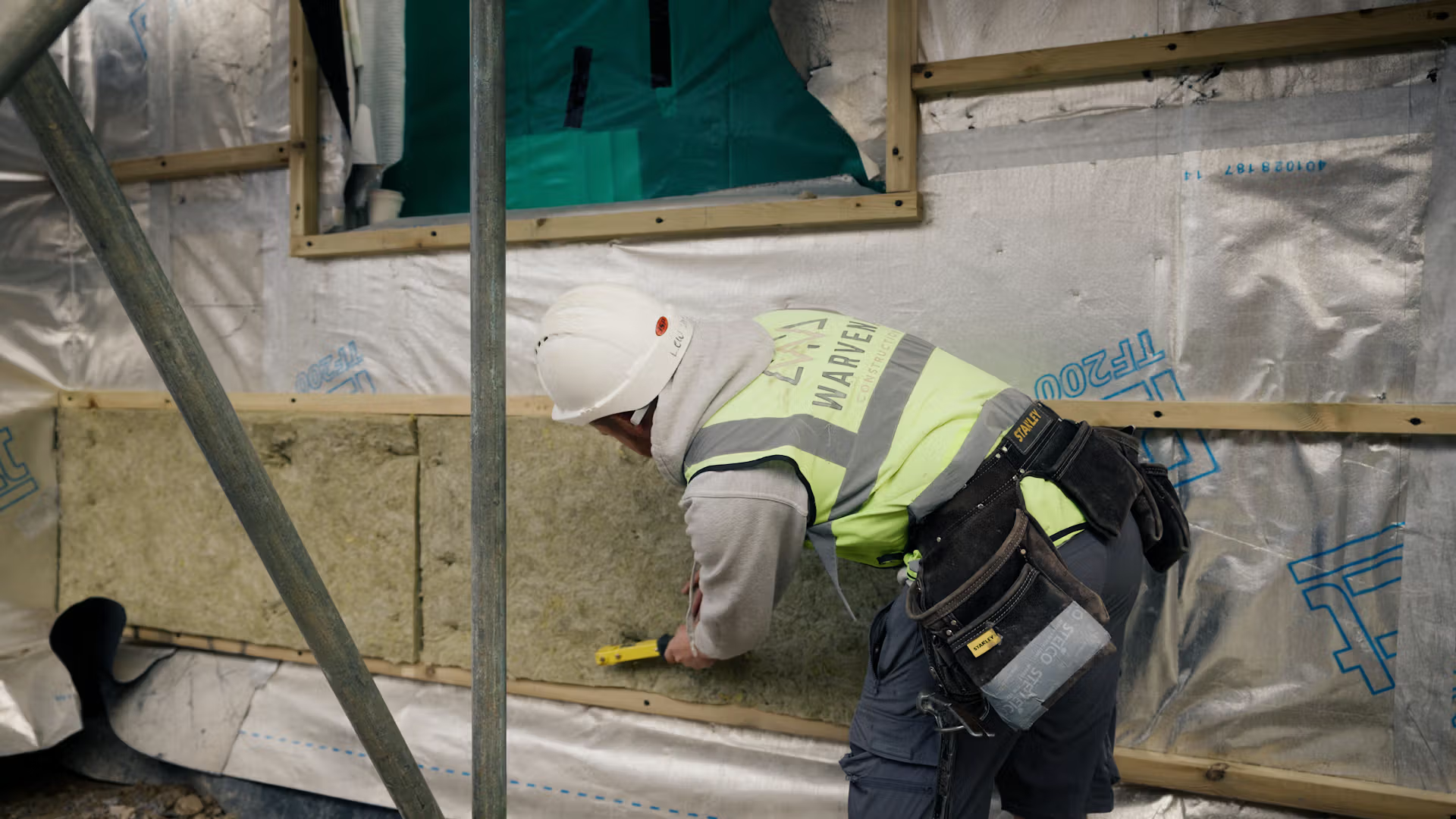
- High-performance insulation: We use modern insulation materials that help keep homes warm in the winter and cool in the summer, reducing energy consumption and minimizing environmental impact.
- Waste reduction and recycling: We prioritize reducing waste during construction by reusing materials where possible and minimizing landfill contributions.
Our goal is to create homes that are not only beautiful and comfortable but also sustainable, contributing to a future where low-carbon living is the norm
Examples of Our Carbon Reduction Strategy in Cornwall
To see how we’ve successfully implemented our **carbon reduction strategy** in **residential builds**, visit our projects page.
One example is The Ark, where we used **LOW CARBON & TIMBER FRAME** methods to create a coastal home that is both energy-efficient and environmentally responsible. Another example is Kenwyn, a project where we applied **carbon reduction strategies** to a traditional home renovation, ensuring that the home was modern, energy-efficient, and low-impact.
Why Choose Warvena Construction for Your Sustainable Home?
At Warvena Construction, we are committed to building homes that not only meet your needs but also contribute to a sustainable future. Our expertise in **LOW CARBON & TIMBER FRAME** construction, combined with our **carbon reduction strategy**, ensures that every home we build is energy-efficient, environmentally friendly, and built to last.
If you're interested in building a **sustainable home** in Cornwall, we’d love to help you achieve your goals. Visit our About Us page to learn more about our approach, or contact us today to start your project.
Building the Future of Sustainable Living
At Warvena Construction, we believe in building homes that are not only luxurious and comfortable but also sustainable and low-carbon. By implementing a **carbon reduction strategy** and using **LOW CARBON & TIMBER FRAME** techniques, we can help you create a home that is both energy-efficient and environmentally responsible.
Frequently Asked Questions About Carbon Reduction Strategy in Residential Builds
What is a carbon reduction strategy in residential construction?
A **carbon reduction strategy** in residential construction involves implementing sustainable building practices to minimize carbon emissions during the construction process and throughout the life of the home. This includes using low-carbon materials, energy-efficient designs, and renewable energy systems.
How does timber frame construction contribute to carbon reduction?
**Timber frame construction** helps reduce carbon emissions by using timber, a renewable resource that stores carbon. Timber naturally absorbs and stores carbon dioxide, reducing the overall carbon footprint of the home.
Why is energy efficiency important in a carbon reduction strategy?
Energy efficiency reduces the need for external energy sources, which in turn lowers greenhouse gas emissions. By designing homes with high-performance insulation, airtight construction, and renewable energy systems, we can reduce the operational carbon footprint of a home.
How can I make my home more sustainable?
To make your home more sustainable, you can implement energy-efficient designs, use renewable energy sources like solar panels, and choose low-carbon construction materials like **timber frame**. Proper insulation, airtight construction, and energy-efficient appliances also contribute to a sustainable home.
How long does it take to build a low carbon home?
The timeline for building a **low carbon home** varies depending on the complexity and size of the project. However, **timber frame construction** typically reduces build time compared to traditional masonry homes, allowing you to move into your new home faster.