Coastal Development
Building Within 200m of the Sea
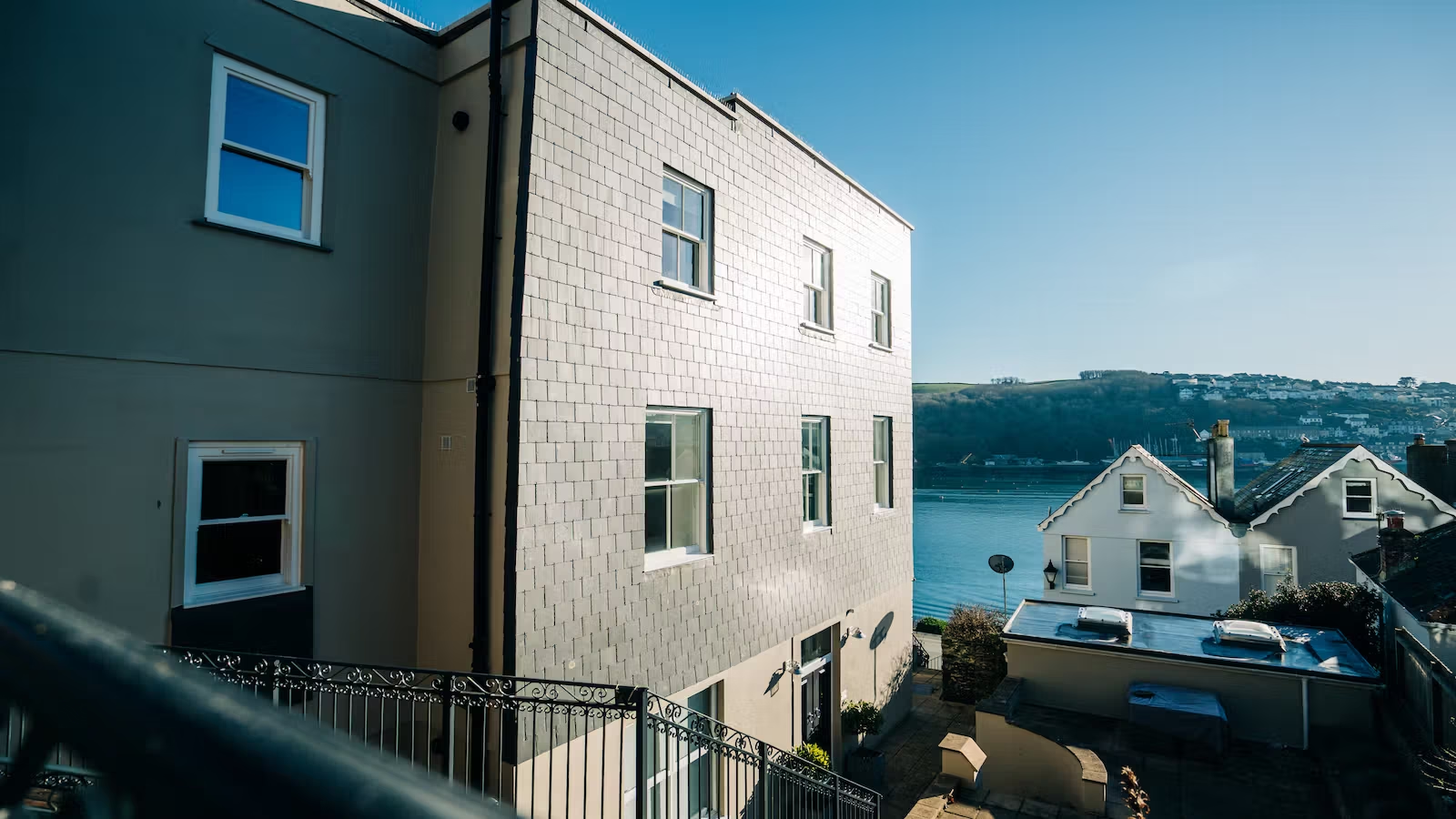
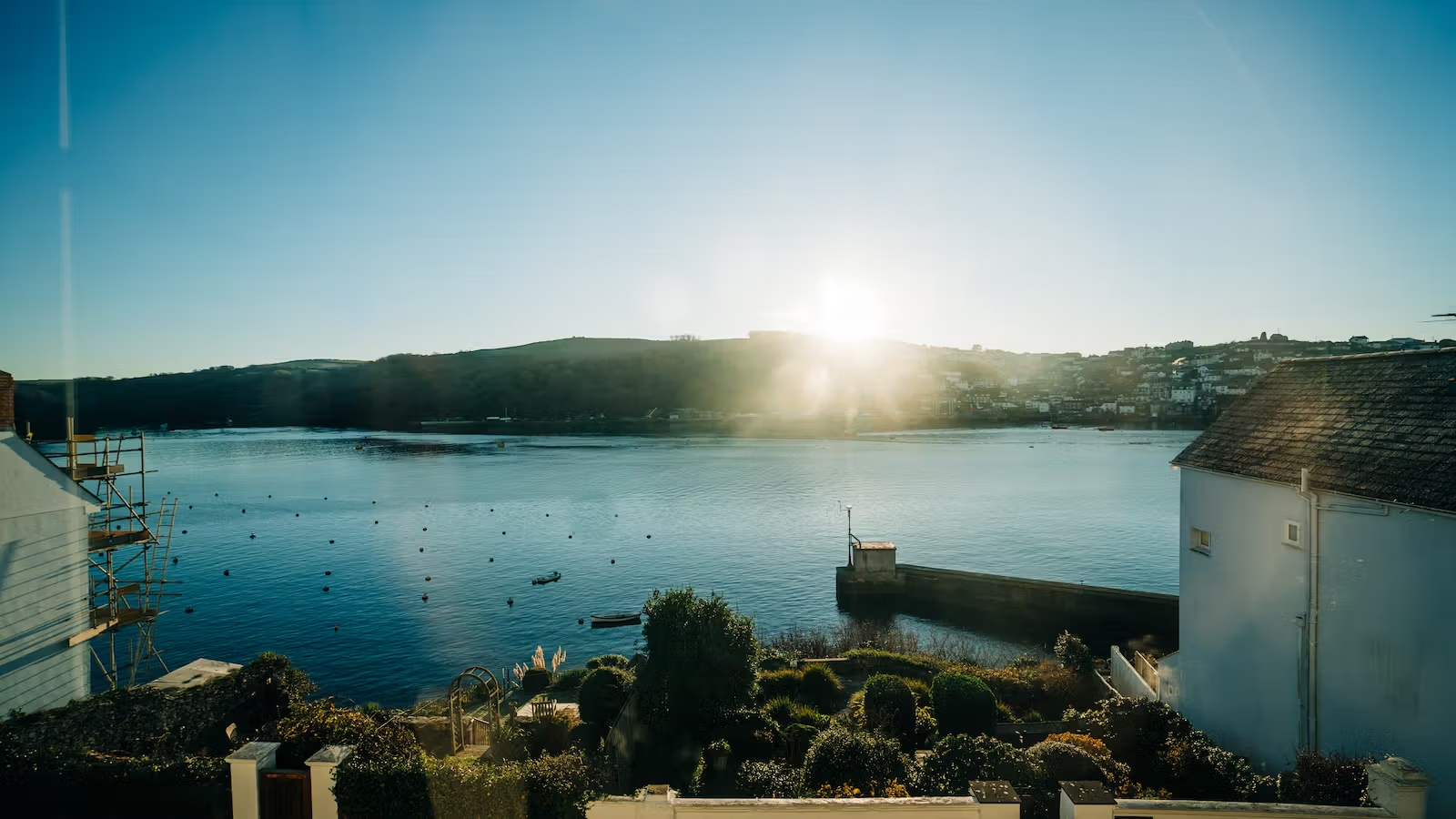
Constructing a home within 200m of the sea presents both incredible opportunities and unique technical challenges. Coastal properties in Cornwall offer breathtaking views, fresh sea air, and exceptional living environments. However, building close to the coastline requires specialist knowledge, durable materials, and careful planning to ensure the home can withstand coastal weather conditions.
At Warvena Construction, we specialise in coastal builds and use LOW CARBON & TIMBER FRAME construction methods to create sustainable, resilient homes designed specifically for Cornwall’s coastal environments. By combining innovative construction techniques with high-performance materials, we ensure that homes built near the sea remain energy-efficient, durable, and environmentally responsible.
LOW CARBON & TIMBER FRAME Construction for Coastal Homes
One of the most effective ways to build sustainable coastal homes is through LOW CARBON & TIMBER FRAME construction. Timber is a renewable material that stores carbon throughout its lifecycle, helping to significantly reduce the carbon footprint of a home.
Timber frame construction also provides excellent thermal performance, meaning homes remain warm during colder coastal months and cool during warmer periods. This improved insulation reduces energy consumption while maintaining comfortable living conditions year-round.
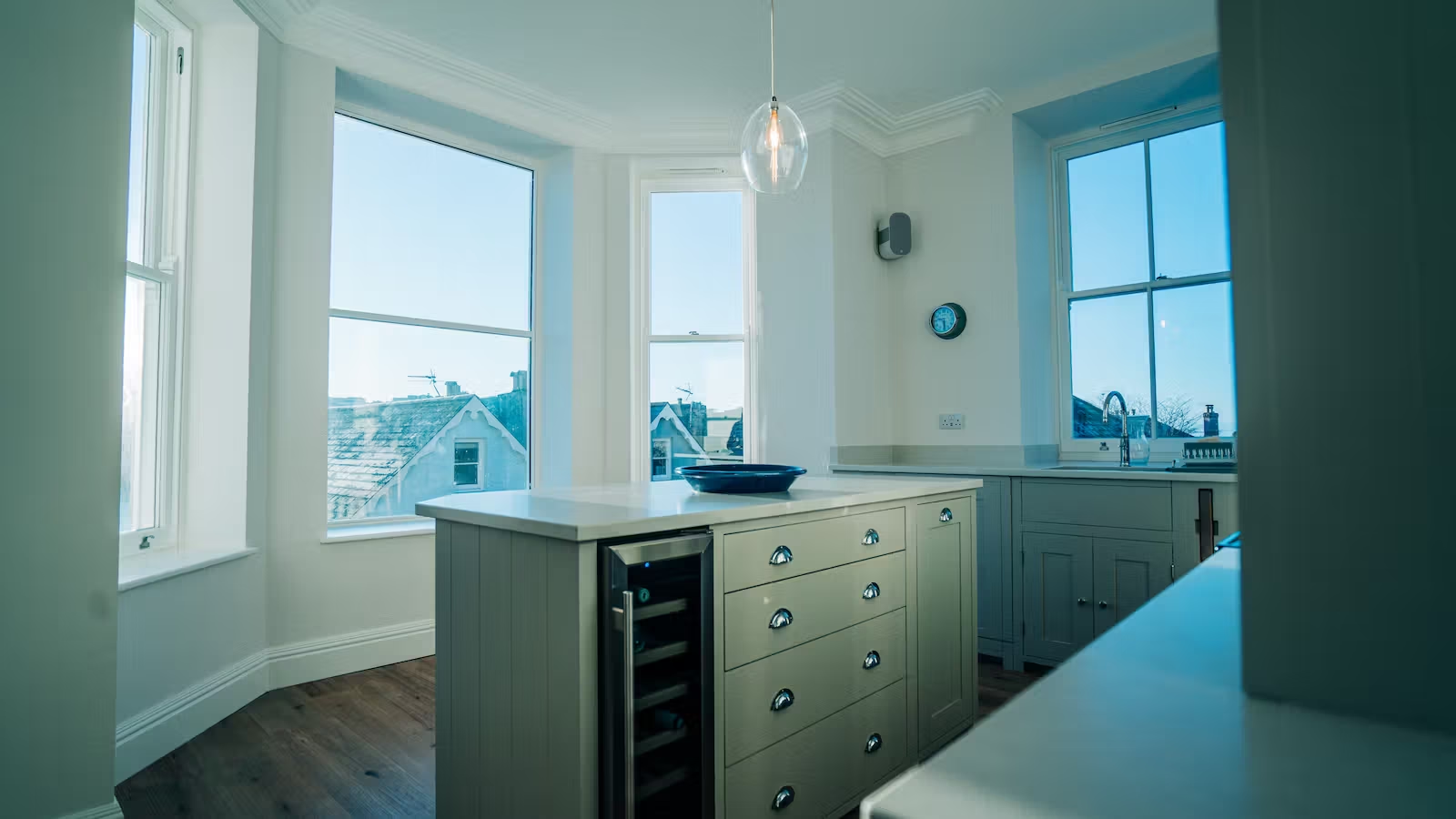
For coastal builds within 200m of the sea, timber frame structures also allow for flexible architectural design, enabling large windows, open spaces, and layouts that maximise natural light and ocean views.
Challenges of Building Close to the Sea
Building within 200m of the coastline requires careful consideration of environmental conditions. Coastal properties are exposed to unique factors that influence the design and construction process.
- Salt air and corrosion which can affect building materials
- High winds and storms common in coastal regions
- Moisture and humidity from sea air
- Planning regulations specific to coastal developments
These challenges make it essential to work with builders who understand coastal construction and use materials designed for long-term performance in marine environments.
Planning Considerations for Coastal Construction
Homes built within 200m of the sea often require additional planning considerations. Local planning authorities may enforce stricter building regulations to protect the coastline and ensure that developments are environmentally responsible.
This can include:
- Environmental impact assessments
- Design requirements that blend with the natural landscape
- Flood and erosion risk considerations
- Sustainable building practices
Working with experienced coastal builders ensures that these regulations are handled efficiently while maintaining the vision for your home.
Benefits of Timber Frame Homes Near the Coast
Choosing timber frame construction for coastal homes offers several advantages that make it ideal for building close to the sea.
- Superior insulation which reduces energy consumption
- Reduced carbon footprint through renewable materials
- Faster construction times due to prefabrication
- Flexible architectural design for modern coastal homes
- Durability when properly treated for marine environments
When combined with high-performance cladding, modern membranes, and advanced ventilation systems, timber frame homes provide excellent resilience in coastal locations.
Coastal Projects by Warvena Construction
Warvena Construction has extensive experience delivering coastal homes across Cornwall using sustainable building techniques. Our projects combine luxury design with environmentally responsible construction.
You can explore some of our recent work on the projects page, including:
Why Choose Warvena Construction for Coastal Homes
Building close to the coastline requires experience, precision, and sustainable construction methods. At Warvena Construction, we specialise in creating homes that are tailored to Cornwall’s coastal conditions while delivering exceptional design and craftsmanship.
Our expertise in LOW CARBON & TIMBER FRAME construction ensures that every project meets modern sustainability standards while providing long-lasting durability.
If you’re planning to build a home near the coast, visit our About page to learn more about our approach, or contact us to discuss your project.
Sustainable Coastal Living in Cornwall
Building within 200m of the sea offers a unique opportunity to create exceptional homes in one of the UK’s most beautiful landscapes. With the right design approach and sustainable construction methods, coastal homes can combine luxury living with environmental responsibility.
At Warvena Construction, we are committed to building homes that respect Cornwall’s coastline while delivering high-performance, energy-efficient living spaces for the future.
Frequently Asked Questions About Building Within 200m of the Sea
Is it possible to build a house within 200m of the sea?
Yes, it is possible to build within 200m of the sea, but projects often require careful planning permission and environmental assessments. Coastal construction must consider factors such as erosion risk, weather exposure, and local planning regulations.
Why is timber frame construction suitable for coastal homes?
Timber frame construction provides excellent insulation, design flexibility, and lower carbon emissions. When properly treated and protected, timber structures perform extremely well in coastal environments.
What are the main challenges of building near the sea?
The main challenges include salt air corrosion, high winds, moisture exposure, and planning restrictions. Experienced coastal builders use durable materials and specialist design techniques to address these issues.
How does low carbon construction benefit coastal homes?
Low carbon construction reduces the environmental impact of building while improving energy efficiency. Using renewable materials like timber helps lower the carbon footprint and supports sustainable coastal development.
How long does it take to build a coastal home in Cornwall?
Construction timelines vary depending on project complexity, but timber frame homes often build faster than traditional masonry homes due to prefabricated structural elements.