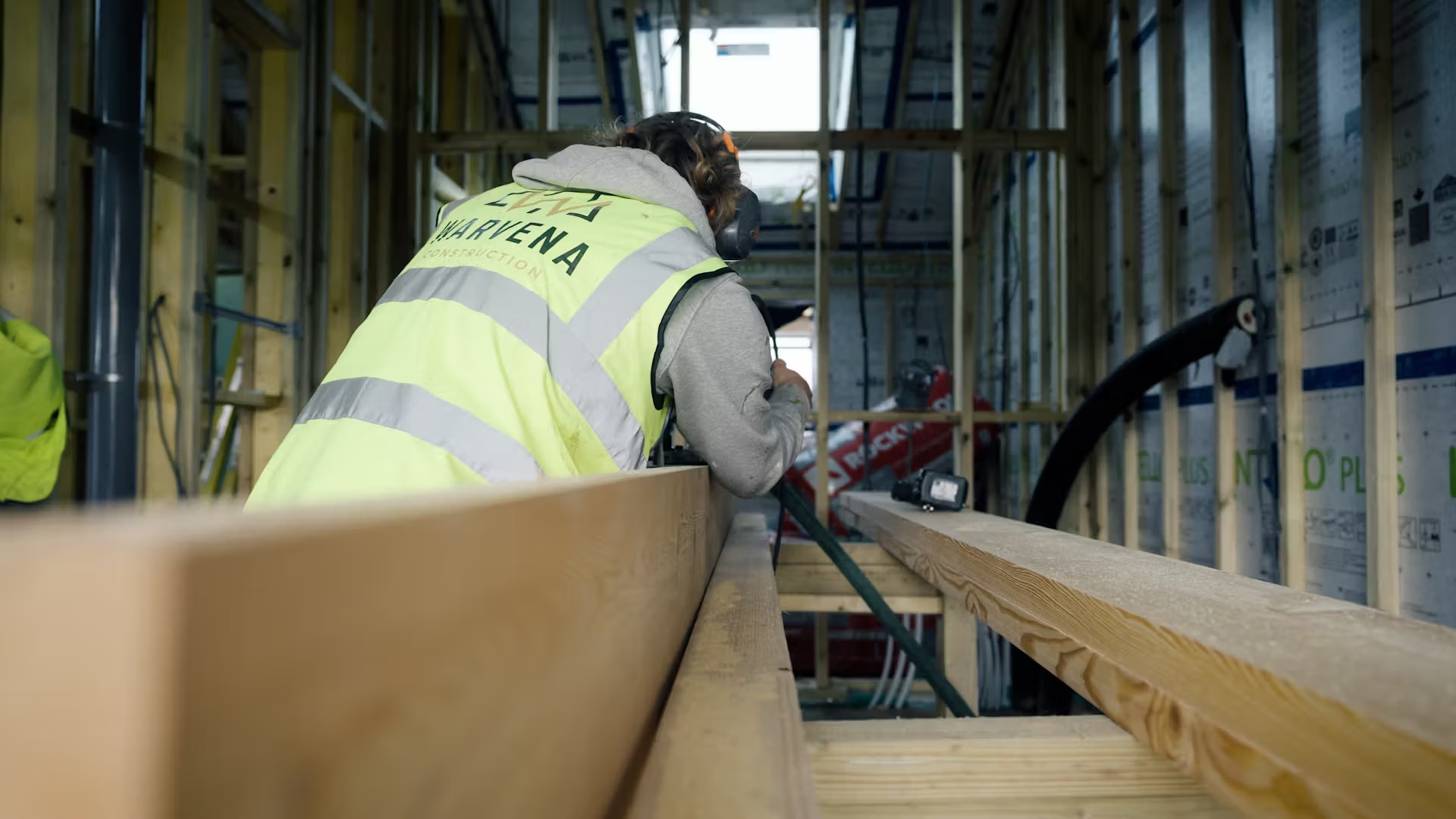
Construction Design Coordination
Buildability at RIBA Stage 3
The success of any construction project begins long before work starts on site. One of the most critical phases in the design process is RIBA Stage 3, where the architectural concept is developed into a coordinated design that can realistically be built.
Ensuring strong buildability at RIBA Stage 3 allows project teams to address technical challenges early, reducing the risk of delays and unexpected costs later in the construction process. At Warvena Construction, we apply a structured framework based on PROGRAMME, COST & GOVERNANCE to support efficient design coordination and successful residential construction projects across Cornwall.
What is RIBA Stage 3?
RIBA Stage 3 is part of the Royal Institute of British Architects (RIBA) Plan of Work. This stage focuses on developing the architectural concept into a detailed and coordinated design that can move forward toward technical design and construction.
During this phase, architects, engineers, and contractors collaborate to ensure the design is both technically feasible and financially realistic.
Why Buildability Matters at RIBA Stage 3
Buildability refers to how easily a design can be constructed in practice. A design may look impressive on paper, but if it cannot be built efficiently or safely, it can lead to delays and cost increases.
Addressing buildability at RIBA Stage 3 helps project teams:
- Identify construction challenges early
- Improve construction sequencing
- Align design with project budgets
- Reduce potential construction risks
- Ensure realistic project timelines
This early coordination improves both the efficiency and quality of the final construction project.
The Role of Programme, Cost & Governance
Successful construction projects require careful coordination between design, scheduling, and financial planning. The principles of PROGRAMME, COST & GOVERNANCE help ensure that design decisions made during RIBA Stage 3 align with project delivery goals.
- Programme: Ensuring the design supports the planned construction timeline.
- Cost: Confirming that design solutions remain within the project budget.
- Governance: Establishing clear decision-making processes and project accountability.
This structured approach helps maintain clarity and coordination throughout the design process.
Collaboration Between Designers and Builders
One of the most effective ways to improve buildability is through early collaboration between architects, engineers, and construction teams. Builders can provide practical insights into materials, construction methods, and site logistics.
This collaboration allows design teams to refine architectural details while ensuring the project remains achievable within the planned programme and budget.
Warvena Construction Project Approach
Warvena Construction works closely with architects and consultants to ensure that residential designs are fully coordinated before construction begins. Our focus on programme, cost & governance ensures that projects are carefully planned and delivered efficiently.
You can explore our completed residential projects on our projects page.
Preparing Designs for Construction
When buildability is considered early in the design process, projects can move smoothly from concept to construction. Addressing practical construction challenges at RIBA Stage 3 helps ensure that residential builds are delivered efficiently and with minimal disruption.
If you are planning a residential construction project in Cornwall, visit our About page or contact us to discuss your project.
Frequently Asked Questions About RIBA Stage 3 Buildability
What happens at RIBA Stage 3?
RIBA Stage 3 focuses on developing the architectural concept into a coordinated design that can move toward technical design and construction.
Why is buildability important at this stage?
Buildability ensures that architectural designs can be constructed efficiently without causing delays or unnecessary costs.
How does early contractor involvement help?
Builders can provide practical construction knowledge that helps refine the design and prevent potential construction issues.
Does buildability affect project budgets?
Yes. Ensuring buildability early helps maintain cost control and reduces the risk of expensive design changes later in the project.
How does governance support design coordination?
Governance provides clear decision-making processes that help keep the design aligned with project objectives