
AONB & Coastal Planning Compliance | Low Carbon & Timber Frame Homes Cornwall
AONB & Coastal Planning Compliance
Cornwall is home to some of the UK’s most spectacular landscapes, including extensive coastline and protected natural areas. Many of these regions fall within an Area of Outstanding Natural Beauty (AONB), which means development must meet strict planning and environmental standards.
Understanding AONB & coastal planning compliance is essential for homeowners and developers who wish to build in these sensitive locations. At Warvena Construction, we specialise in delivering high-quality homes that meet these regulations while using sustainable methods such as LOW CARBON & TIMBER FRAME construction.
What is an AONB?
An Area of Outstanding Natural Beauty (AONB) is a protected landscape designated for its exceptional natural beauty. These areas are carefully managed to preserve their character, ecology, and visual impact.
In Cornwall, many coastal locations fall within AONB boundaries. This means any construction project must be designed to minimise environmental impact while respecting the surrounding landscape.
LOW CARBON & TIMBER FRAME Construction for Sustainable Development
Sustainable construction plays a key role in meeting modern planning requirements in protected landscapes. LOW CARBON & TIMBER FRAME construction provides an environmentally responsible building solution that aligns with planning objectives in AONB areas.
Timber is a renewable building material that stores carbon and helps reduce the overall environmental footprint of a construction project. Combined with modern insulation, high-performance glazing, and energy-efficient design, timber frame homes can achieve excellent sustainability standards while maintaining architectural quality.
Planning Requirements for Coastal Developments
When building within AONB or coastal zones, local planning authorities often require additional assessments and design considerations.
These may include:
- Landscape impact assessments
- Environmental protection measures
- Architectural design that blends with the local surroundings
- Restrictions on building height or visual appearance
- Sustainable building practices
Working with experienced builders who understand these regulations helps ensure the planning process runs smoothly.
Design Strategies for AONB Compliance
Successful projects within protected landscapes require thoughtful design that respects the natural environment while delivering high-quality living spaces.
- Careful building orientation to minimise visual impact
- Natural materials that complement the surrounding landscape
- Energy-efficient building systems
- Low carbon construction techniques
- Minimal disruption to local ecosystems
By incorporating these strategies, homes can meet both planning requirements and sustainability goals.
Warvena Construction Projects in Cornwall
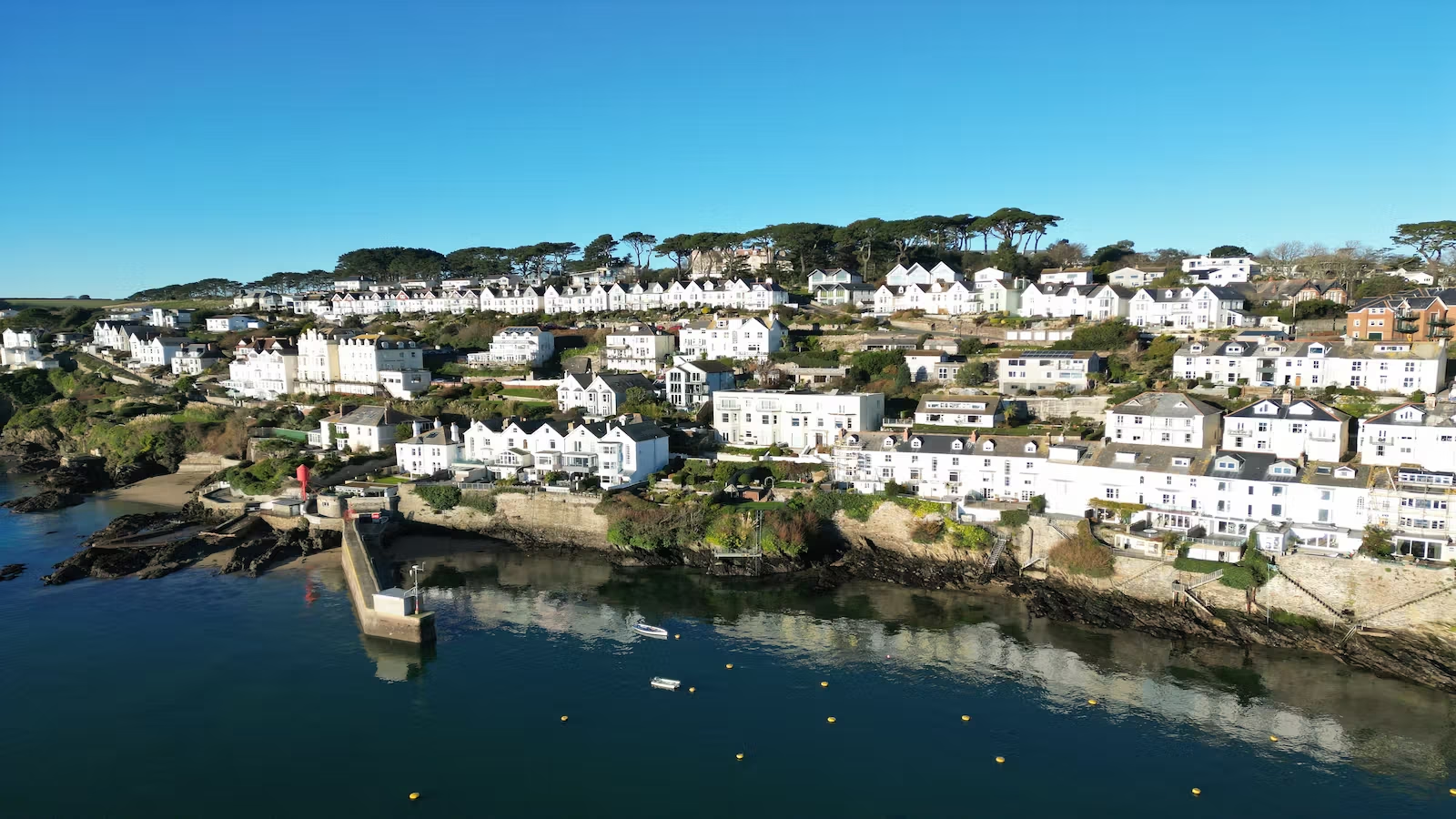
Warvena Construction has experience delivering high-quality residential projects across Cornwall, including coastal locations that require careful planning compliance.
You can explore examples of our work on the projects page.
Featured projects include:
Why Choose Warvena Construction?
Building within protected landscapes requires expertise in both construction and planning compliance. Warvena Construction combines architectural craftsmanship with sustainable building methods such as LOW CARBON & TIMBER FRAME construction to deliver homes that meet Cornwall’s strict planning standards.
If you’re planning a project in a coastal or protected area, visit our About page or contact us to discuss your plans.
Sustainable Homes in Protected Landscapes
Building within an AONB requires careful balance between development and environmental protection. With the right design approach and sustainable construction methods, it is possible to create exceptional homes that respect Cornwall’s natural beauty while delivering modern comfort and efficiency.
Frequently Asked Questions About AONB & Coastal Planning Compliance
What does AONB mean in planning?
AONB stands for Area of Outstanding Natural Beauty. These protected landscapes have strict planning regulations designed to preserve their natural character and environmental value.
Can you build a house in an AONB area?
Yes, it is possible to build within an AONB, but projects must meet strict planning guidelines and demonstrate minimal environmental impact.
Why is sustainable construction important in coastal planning?
Sustainable construction reduces environmental impact and supports planning objectives aimed at protecting natural landscapes.
How does timber frame construction support planning approval?
Timber frame construction is often considered environmentally responsible because it uses renewable materials and can significantly reduce carbon emissions.
Do coastal homes require special planning permission?
Many coastal developments require additional planning considerations such as environmental assessments, design restrictions, and landscape impact studies.