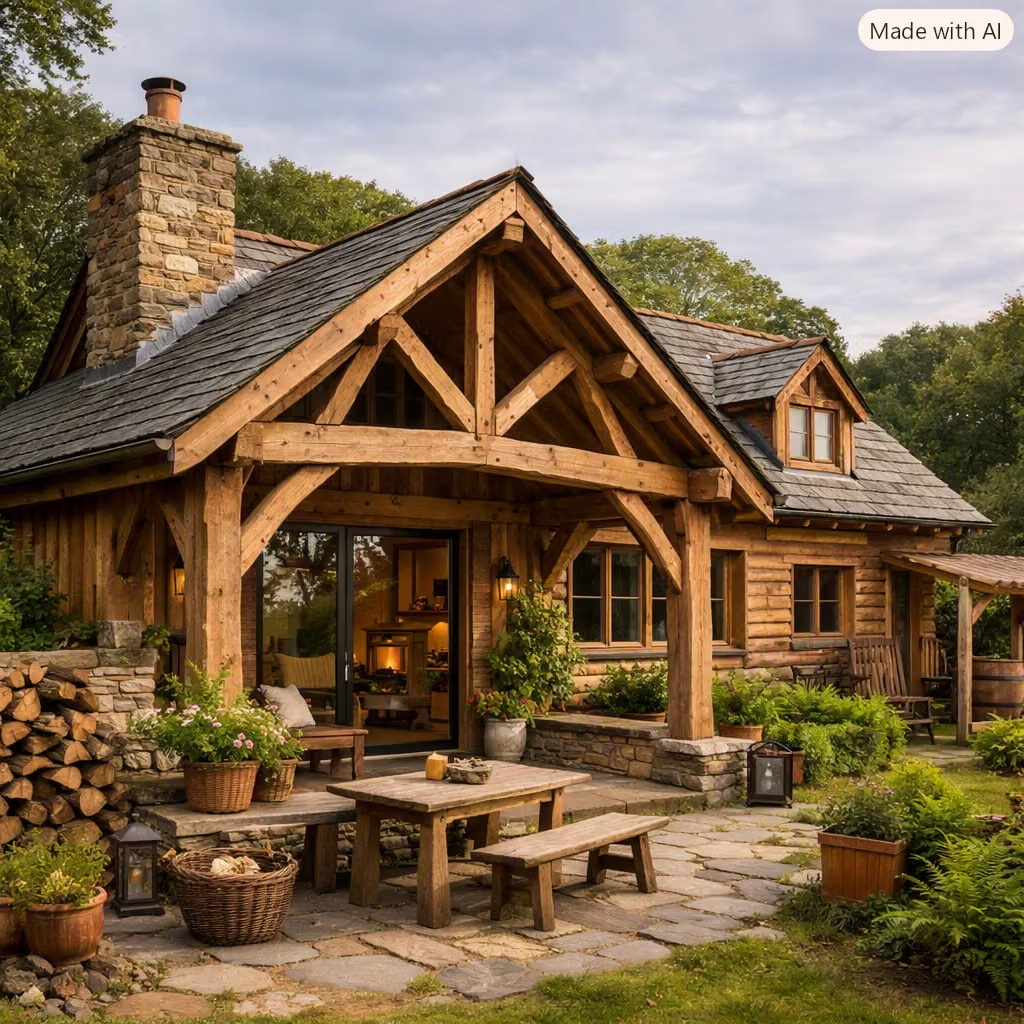
Heritage
Timber Grown Within Sight of the Site It's Used On
Cornish oak, sweet chestnut and Douglas fir have shaped the county's barns, boatyards and farmhouses for centuries, often felled and worked within a few miles of where they were grown. Sourcing timber this locally, particularly around the wooded valleys near Fowey and the Tamar, cuts transport carbon dramatically compared with imported softwood and keeps a project rooted in its landscape.
Performance
Why Local Timber Species Perform So Well in Cornwall's Climate
Timber species that have grown in Cornwall's damp, mild climate are naturally suited to withstanding it. Sweet chestnut in particular contains natural tannins that make it highly resistant to rot without chemical treatment. Benefits our clients consistently see include:
• Natural durability suited to Cornwall's damp, mild climate
• Minimal transport carbon compared with imported timber
• A warm, characterful grain that weathers gracefully outdoors
• Strong structural performance for framing and cladding alike
Design Language
Pairing Timber Cladding With Clean Coastal Architecture
Across our projects near Fowey and the Tamar valley, we frequently pair sweet chestnut or oak cladding with large glazed openings and simple, unfussy massing, letting the timber silver naturally over time against a restrained architectural backdrop. It's a material that softens a contemporary form without diluting it.
Sourcing & Craft
The Joinery Skill Behind Every Timber Detail
We work with Cornish sawmills and specialist joiners to select, season and detail timber correctly for its intended use, whether that's structural framing, external cladding or bespoke interior joinery. Getting the moisture content and detailing right at this stage is what determines whether a timber feature lasts decades rather than years.
Related Reading
Local timber often plays a central role in a broader circular specification. Many of our clients exploring Cornish timber also look at our approach to circular construction and upcycled materials, where reclaimed timber is given a second life.
Frequently Asked Questions: Local Cornish Timber
Answers to the questions we're asked most often by clients considering locally sourced timber for their project.
Which Cornish timber species do you use most often?
Sweet chestnut and oak are our most frequent choices for cladding and structural detailing, thanks to their natural durability, with Douglas fir also used for framing on many projects.
Is local timber more sustainable than imported alternatives?
Yes. Sourcing timber grown and milled within Cornwall significantly reduces transport carbon compared with imported softwood, while supporting local woodland management.
Does untreated timber cladding need much maintenance?
Species like sweet chestnut and oak are naturally durable and are typically left untreated to weather to a silver-grey patina, requiring very little ongoing maintenance.
Can local timber be used for structural framing as well as cladding?
Yes. Depending on the species and specification, Cornish-grown timber can be used for both structural framing and external cladding within the same project.
Build With Timber Grown Close to Home
Speak with Warvena Construction about specifying local Cornish timber for your next luxury project near Fowey, the Tamar Valley or the wider county.