Principles
What Circular Construction Means on a Luxury Project
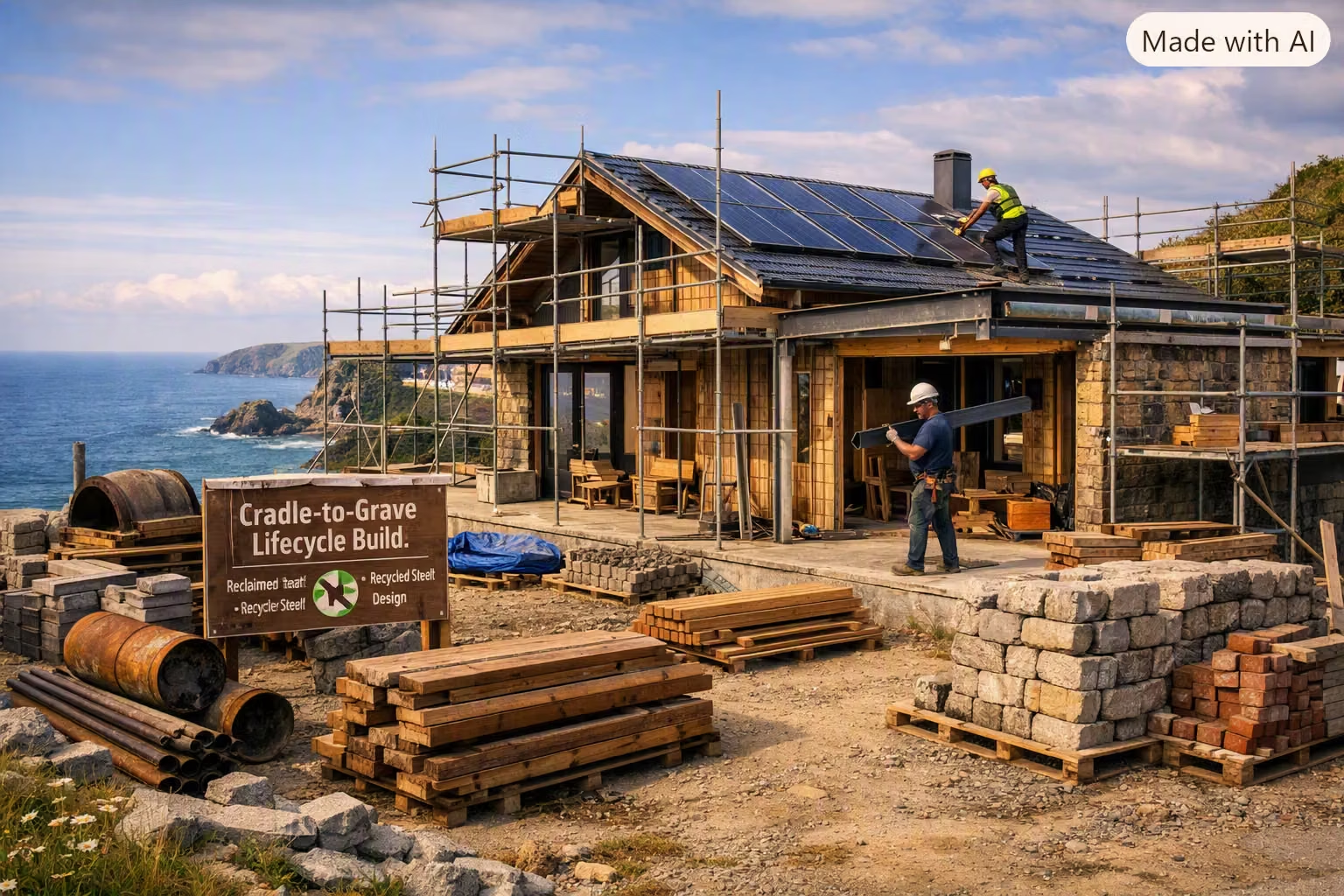
Circular construction treats a building's materials as a resource to be tracked, reused and eventually recovered, rather than consumed and discarded. In practice, this means specifying products for durability and disassembly, sourcing reclaimed and salvaged materials where quality allows, and documenting a material's full cradle-to-grave journey from origin, through use, to its eventual reuse or recycling. On our projects near Rock and Padstow, this thinking shapes decisions from the structural frame down to the smallest joinery detail.
Reclaimed Materials
Upcycling Cornish Slate and Timber Into New Luxury Builds
Reclaimed Delabole slate and salvaged structural timber carry a character that new material simply cannot replicate, and sourcing them responsibly is central to circular construction. We work with demolition and deconstruction specialists across Cornwall to identify high-quality reclaimed stone, slate and timber suitable for reuse in new high-end builds, giving each project a genuine sense of provenance alongside its sustainability credentials particularly valued by clients in Helford and St Ives seeking a home with authentic history.
Sourcing Standards
How We Evaluate Materials for Circular Sourcing
Not every reclaimed or recycled material is suitable for a luxury build, so every option is assessed against a consistent set of criteria: • Structural integrity and remaining service life of the material • Provenance and traceability back to its original source • Compatibility with modern performance and building regulations • Aesthetic quality appropriate to a high-end finish
Design Outcome
Circular Materials That Elevate, Rather Than Limit, the Design
Far from constraining architectural ambition, circular sourcing often becomes a defining design feature. A reclaimed slate hearth, a salvaged oak stair, or a feature wall built from carefully sorted reclaimed stone gives a new-build home a sense of weight and history that cannot be manufactured. Handled well, cradle-to-grave thinking doesn't compromise luxury it deepens it.
Related Reading
Circular thinking matters just as much on a renovation as it does on a new build. See how we apply the same durability-first, low-impact approach in our guide to sustainable materials for coastal renovations and extensions.
Frequently Asked Questions: Circular Construction
Answers to common questions about circular construction and upcycled materials in a luxury build.
Is reclaimed material as structurally reliable as new material?
When properly assessed and sourced, reclaimed stone, slate and timber can be just as structurally reliable as new material, and we only specify reclaimed elements that meet current building performance standards.
Does circular construction increase the project cost?
Sourcing and assessing reclaimed materials can add time and cost at the procurement stage, though this is often offset by the reduced cost of new raw materials and the added value reclaimed features bring to a luxury home.
What does 'cradle-to-grave' mean in construction?
It refers to tracking a material's full lifecycle — from its original extraction or manufacture, through its use in a building, to its eventual reuse, recycling or disposal.
Can circular construction be applied to a full new build, not just renovations?
Yes. Many of our new-build luxury homes incorporate reclaimed structural timber, slate and stone alongside new materials, applying circular principles from the earliest design stage.
Build With Materials That Carry Real History
Contact Warvena Construction to discuss a circular construction approach for your luxury project in Rock, Padstow, Helford or St Ives.