Weatherproofing
Designing for the Realities of Coastal Exposure
A renovation or extension near the coast faces a very different set of pressures to an inland build. Salt-laden air, persistent moisture and strong prevailing winds accelerate the failure of poorly chosen materials, which is why weatherproofing strategy comes before aesthetics in every scheme we plan. On our Polzeath and Fowey projects, this means specifying breathable, vapour-open construction build-ups, robust flashing details, and cladding systems rated specifically for high-exposure coastal categories rather than standard inland specifications.
Material Selection
Sustainable Timber and Upcycled Materials Without Compromise
Sustainable does not mean settling for a lesser finish. FSC-certified and locally sourced sustainable timber framing gives our coastal extensions a lower embodied carbon footprint while performing exceptionally well against moisture and movement. Where a project allows, we also incorporate upcycled materials reclaimed slate, salvaged structural timber, and repurposed stone sourced from demolition and deconstruction project.
Building Envelope
Building a Durable, Efficient Envelope for Extensions
The building envelope of a coastal extension has to manage three things simultaneously: thermal performance, moisture management and long-term durability. Materials we favour for this include: • Vapour-open sustainable timber frame systems • Natural, breathable insulation such as wood fibre or sheep's wool • Corrosion-resistant, marine-grade fixings throughout • Rainscreen cladding with a ventilated cavity to shed coastal moisture
Integration
Blending New Sustainable Extensions With Existing Coastal Homes
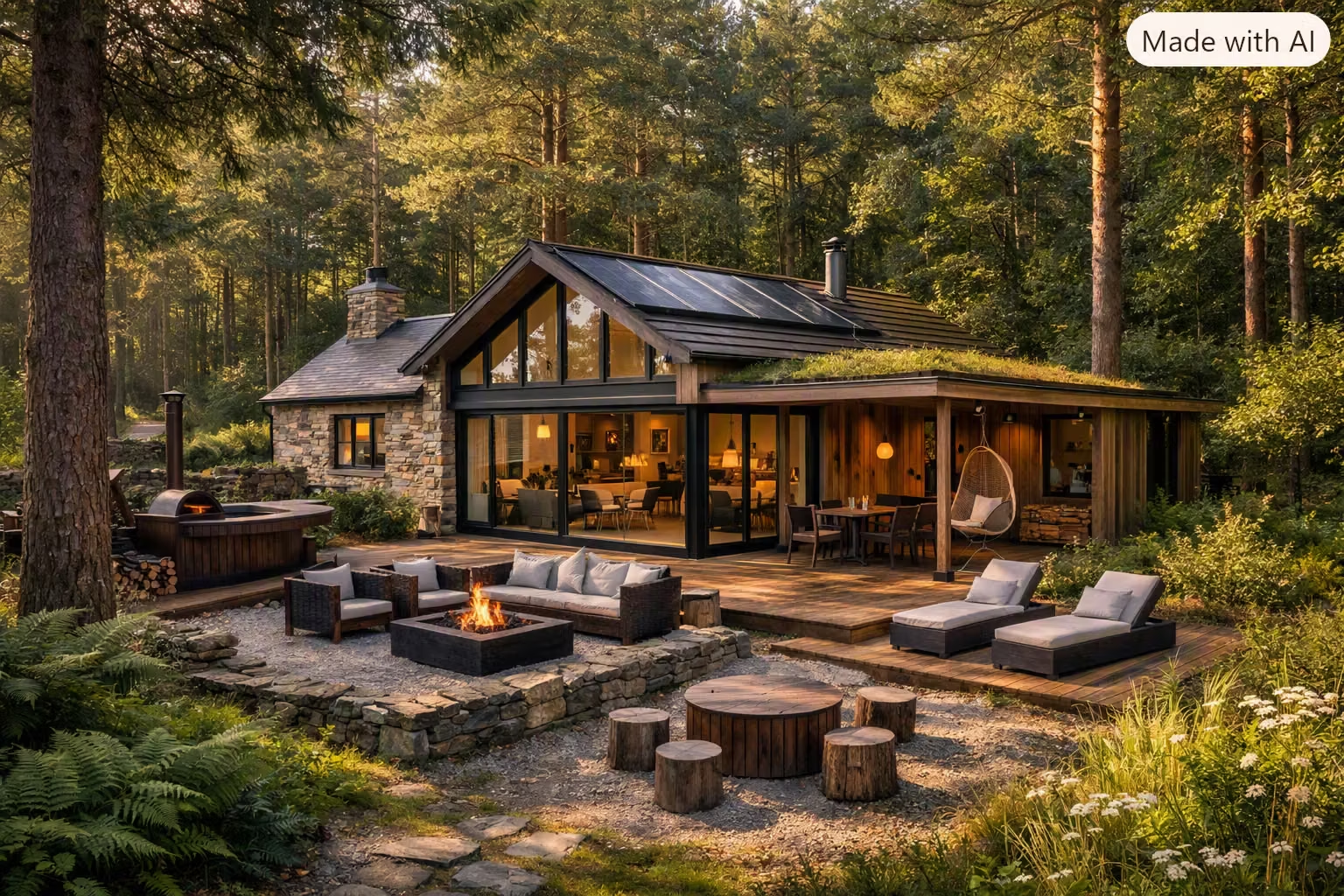
The most successful extensions we deliver near Wadebridge and along the Fowey estuary don't announce themselves as a separate addition they extend the material language of the original property while quietly upgrading its performance. This often means matching a new sustainable timber-clad wing to an existing stone or render façade, so the finished home reads as a single, coherent piece of architecture rather than an obvious retrofit.
Related Reading
A durable, breathable envelope is also the foundation of a genuinely low carbon home. Read more about how we combine performance and comfort in our guide to low carbon and Passive House design.
Frequently Asked Questions: Sustainable Coastal Renovations & Extensions
Questions we regularly answer for clients planning a sustainable coastal renovation or extension.
Are sustainable materials as durable as conventional options in coastal locations?
When correctly specified, sustainable materials such as certified timber and natural insulation can outperform conventional alternatives in coastal conditions, particularly around moisture management.
Can reclaimed or upcycled materials be used on a high-end renovation?
Yes. We regularly source reclaimed slate, timber and stone for luxury renovations, giving clients both environmental benefits and a genuine sense of character and history.
How do you protect a sustainable timber extension from coastal weather?
Through a combination of breathable construction build-ups, ventilated rainscreen cladding, marine-grade fixings and careful detailing at every junction and penetration.
Will a sustainable extension match the style of my existing period property?
Absolutely. We tailor material choices and detailing to complement your home's existing architecture, whether that's a period stone cottage or a contemporary coastal build.
Extend Your Coastal Home, Sustainably and Beautifully
Get in touch with Warvena Construction to discuss a sustainable renovation or extension in Polzeath, Fowey or Wadebridge.