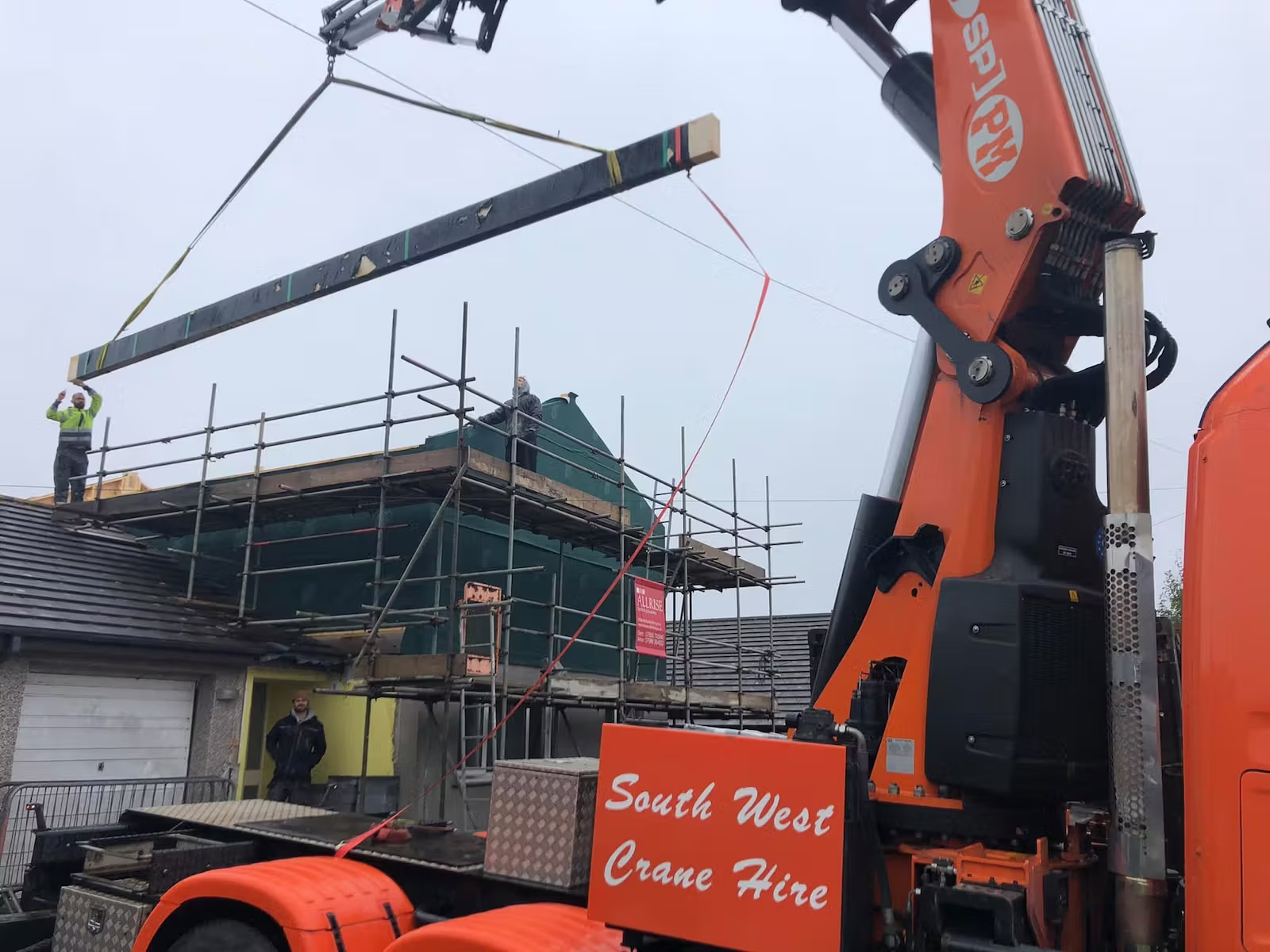
Construction Engineering & Temporary Works Coordination
Managing Safety and Stability During Construction
# Temporary works play a crucial role in ensuring safety, stability, and efficiency throughout the construction process. These are the temporary structures and systems required to support permanent works during the build phase.
At Warvena Construction, we apply TECHNICAL DEPTH & THOUGHT LEADERSHIP to coordinate temporary works with precision, ensuring that each stage of construction is executed safely and effectively.
What Are Temporary Works?
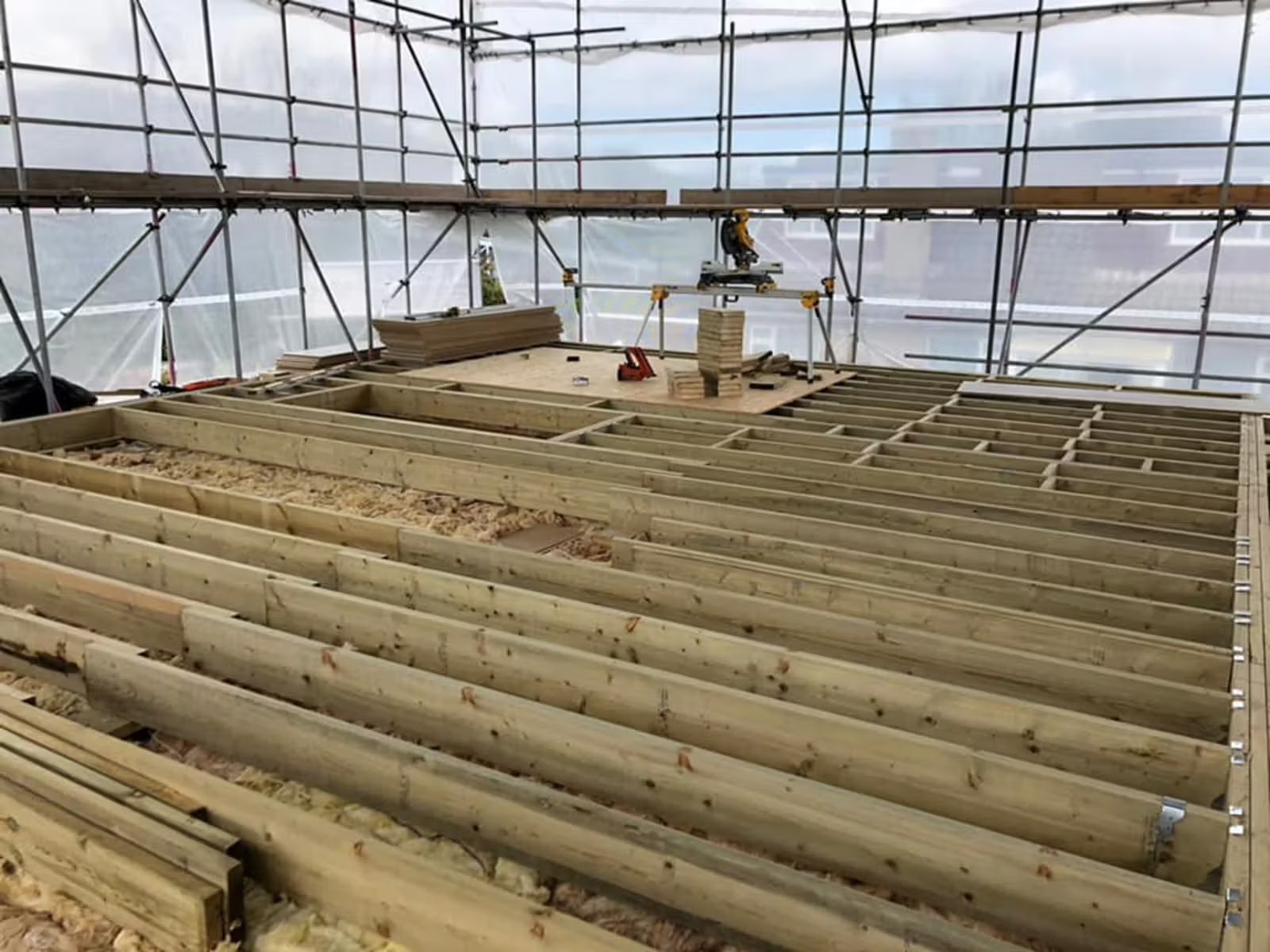
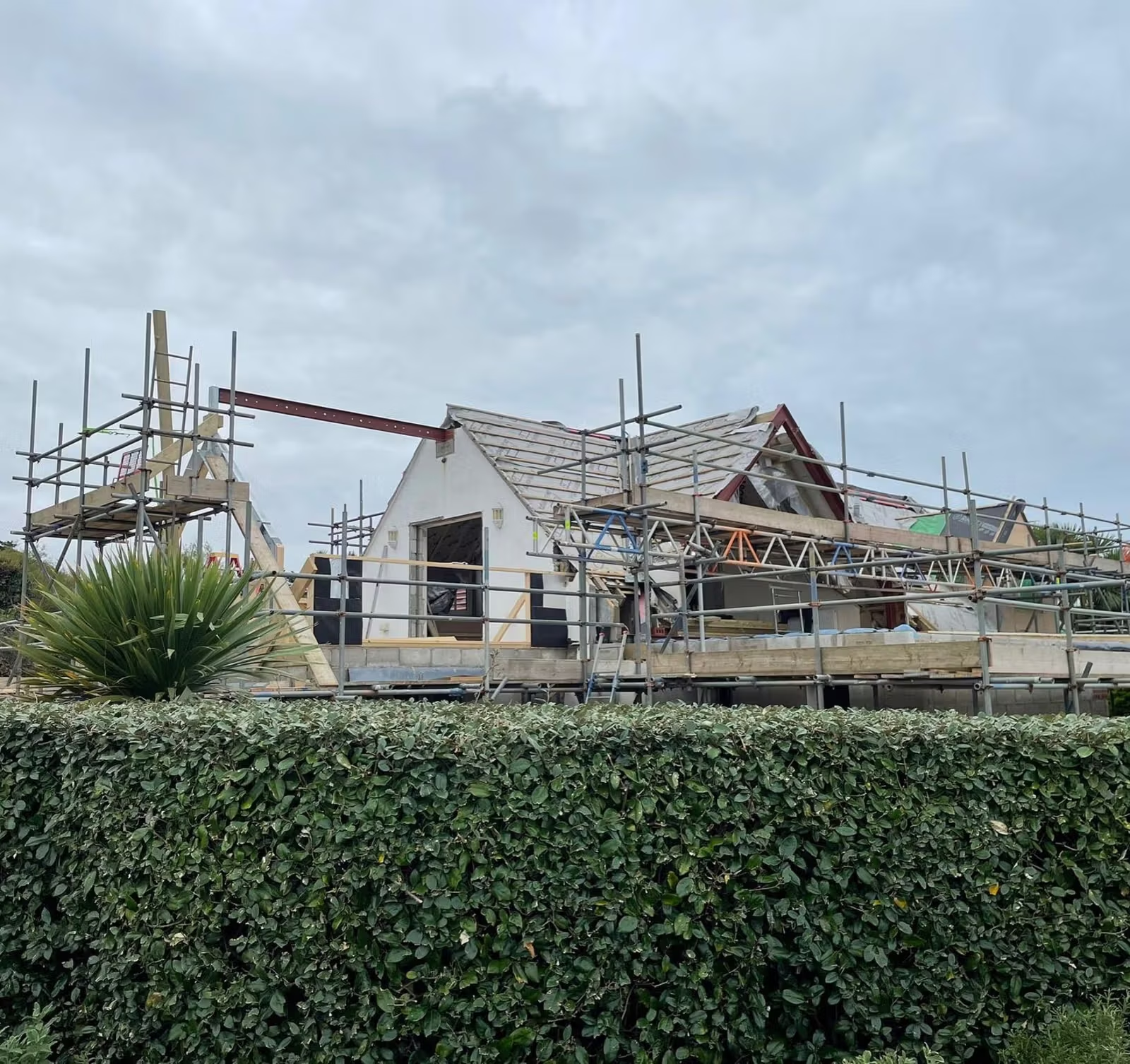
Temporary works include any structure or system used to support, protect, or enable construction activities before the permanent structure is completed.
- Scaffolding systems
- Formwork and falsework
- Temporary supports and bracing
- Excavation support systems
These elements are essential for maintaining safety and structural integrity during construction.
Importance of Coordination in Temporary Works
Effective coordination ensures that temporary works are correctly designed, installed, and removed without impacting the permanent structure.
- Ensures site safety for workers and structures
- Prevents structural instability during construction
- Supports efficient sequencing of works
- Reduces risk of delays and rework
Without proper coordination, temporary works can introduce significant risks to the project.
Key Elements of Temporary Works Planning
Effective coordination ensures that temporary works are correctly designed, installed, and removed without impacting the permanent structure.
- Ensures site safety for workers and structures
- Prevents structural instability during construction
- Supports efficient sequencing of works
- Reduces risk of delays and rework
Without proper coordination, temporary works can introduce significant risks to the project.
Design and Engineering
Temporary structures must be designed to withstand loads and site conditions, particularly in coastal or exposed environments.
Installation and Monitoring
Proper installation and regular inspection ensure that temporary works perform as intended throughout the construction phase.
Sequencing and Removal
Temporary works must be carefully removed at the correct stage to avoid impacting permanent structures.
Challenges in Coastal Construction
In coastal areas such as Cornwall, temporary works must account for additional environmental factors.
- High wind loads and exposure
- Unstable or sloped ground conditions
- Limited site access
These challenges require detailed planning and experienced coordination.
TECHNICAL DEPTH & THOUGHT LEADERSHIP
Temporary works coordination requires a deep understanding of engineering principles and construction sequencing. Our TECHNICAL DEPTH & THOUGHT LEADERSHIP approach ensures that all temporary systems are aligned with project requirements and safety standards.
This results in:
- Enhanced site safety
- Efficient construction processes
- Reduced risk of structural issues
Warvena Construction Project Approach
Warvena Construction delivers architect-led residential projects across Cornwall with a focus on precision, planning, and safety.
Learn more about our approach: Warvena Construction
Delivering Safe and Efficient Construction
Temporary works coordination is a vital part of any successful construction project. With the right planning and execution, it ensures both safety and efficiency from start to finish.
If you are planning a high-end residential build, contact us to discuss your project.
Frequently Asked Questions About Temporary Works
What are temporary works in construction?
Temporary works are structures or systems used to support construction activities before the permanent structure is completed.
Why is coordination important?
Proper coordination ensures safety, stability, and efficient construction sequencing.
Who is responsible for temporary works?
Typically, engineers and contractors work together to design and manage temporary works.
Do temporary works affect project timelines?
Yes, proper planning helps avoid delays and ensures smooth construction progress.
Are temporary works needed for all projects
Most construction projects require some form of temporary works to ensure safety and structural support.