Structural Retaining Systems & Ground Engineering
Stability and Engineering in Challenging Coastal Terrain
Retaining walls are a critical component in coastal construction, particularly on sloped or unstable sites. They provide structural support, manage soil pressure, and enable safe and effective land use.
At Warvena Construction, we apply TECHNICAL DEPTH & THOUGHT LEADERSHIP to design and build retaining wall systems that perform reliably in Cornwall’s demanding coastal environments.
Why Retaining Walls Are Essential in Coastal Builds
Coastal sites often involve changes in elevation, loose soil conditions, and increased exposure to moisture. Retaining walls help stabilise these conditions and support the overall structure.
- Prevent soil movement and landslides
- Support foundations on sloped terrain
- Manage surface water flow
- Create usable outdoor spaces
Without properly designed retaining walls, structural integrity and site usability can be compromised.
Key Design Considerations
Coastal sites often involve changes in elevation, loose soil conditions, and increased exposure to moisture. Retaining walls help stabilise these conditions and support the overall structure.
- Prevent soil movement and landslides
- Support foundations on sloped terrain
- Manage surface water flow
- Create usable outdoor spaces
Without properly designed retaining walls, structural integrity and site usability can be compromised.
Key Design Considerations
Soil and Ground Conditions
Understanding soil type and load-bearing capacity is essential for designing an effective retaining wall system.
Drainage Integration
Proper drainage behind retaining walls prevents water build-up, reducing hydrostatic pressure and potential failure.
Material Selection
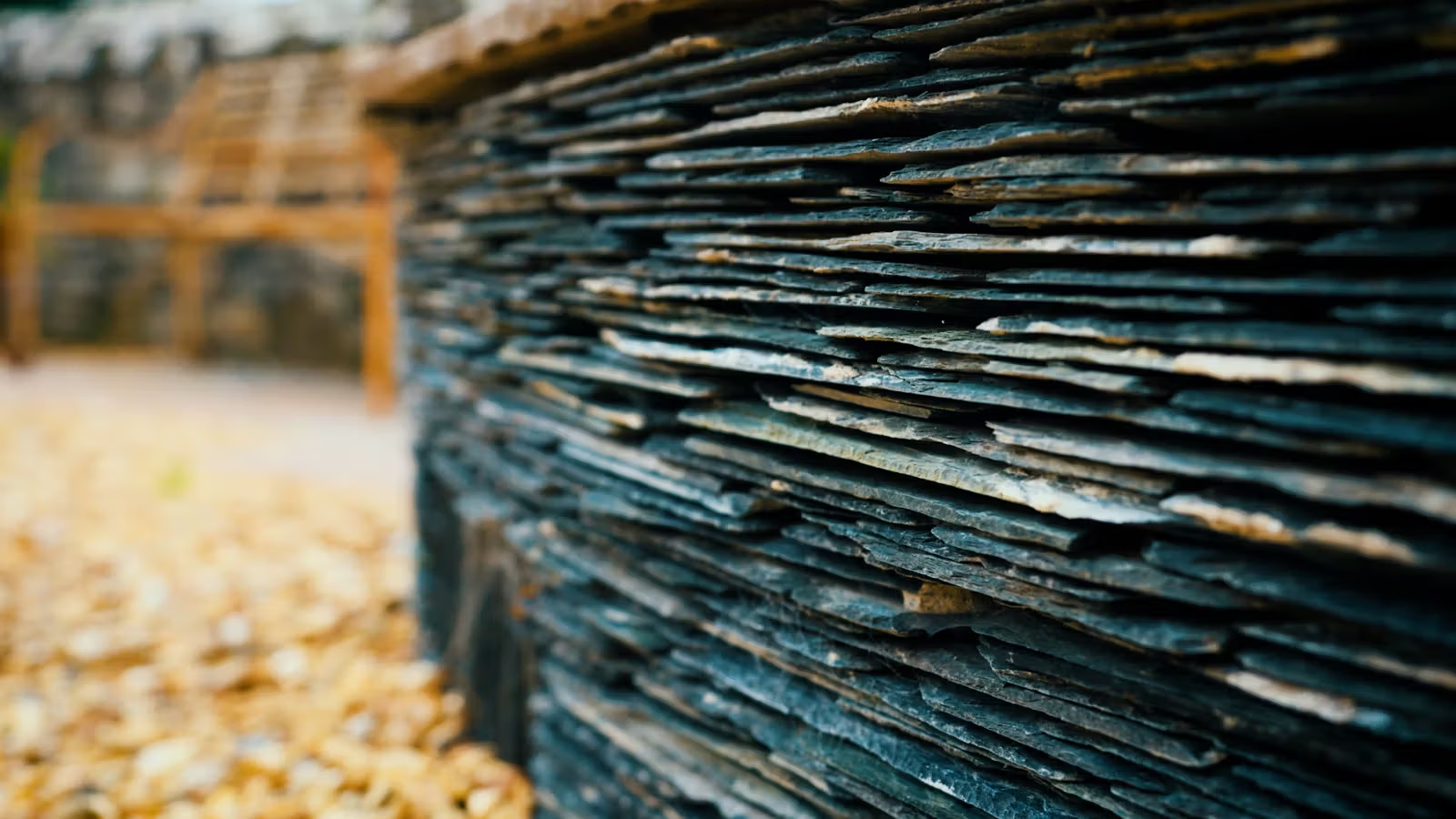
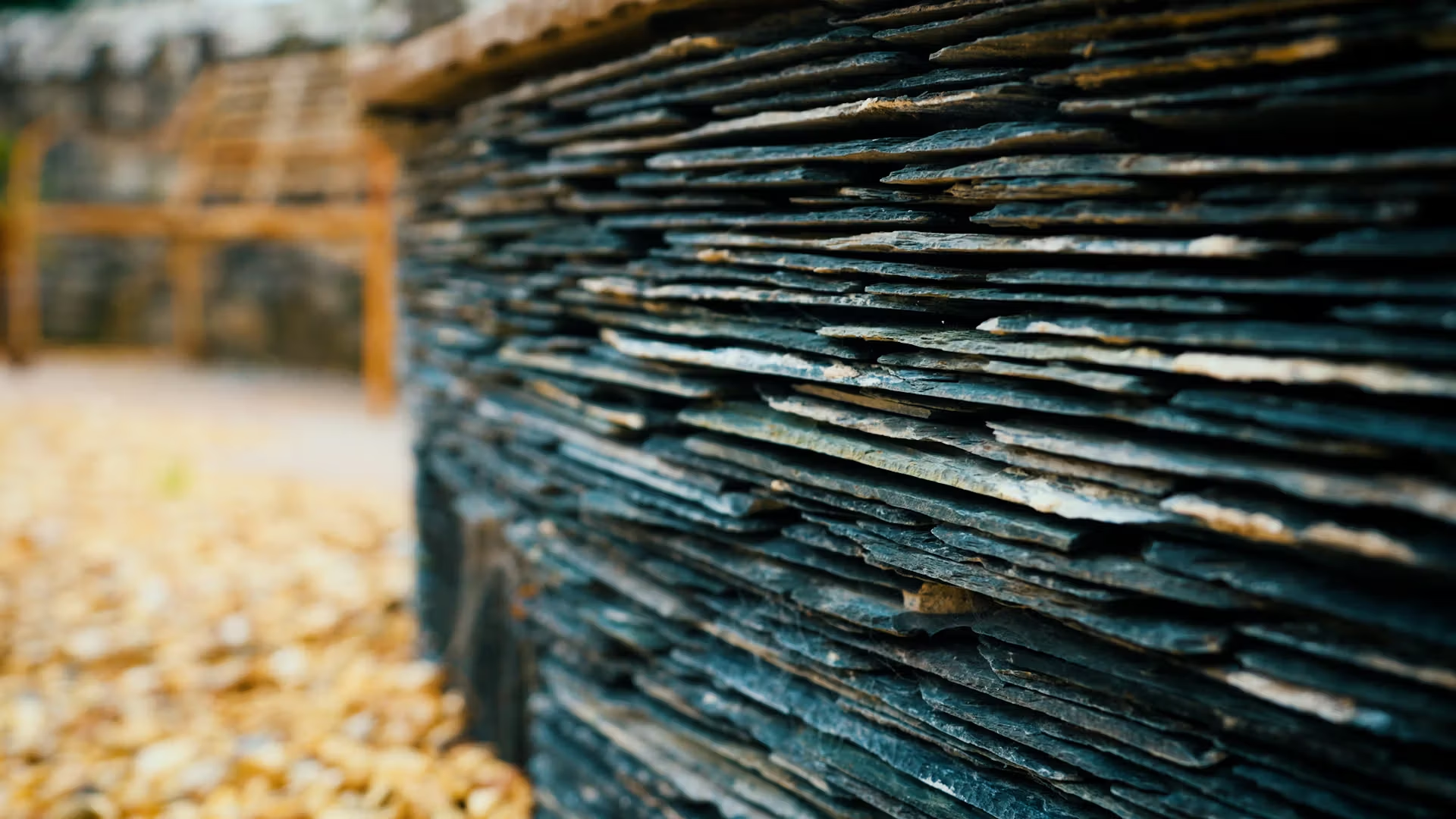
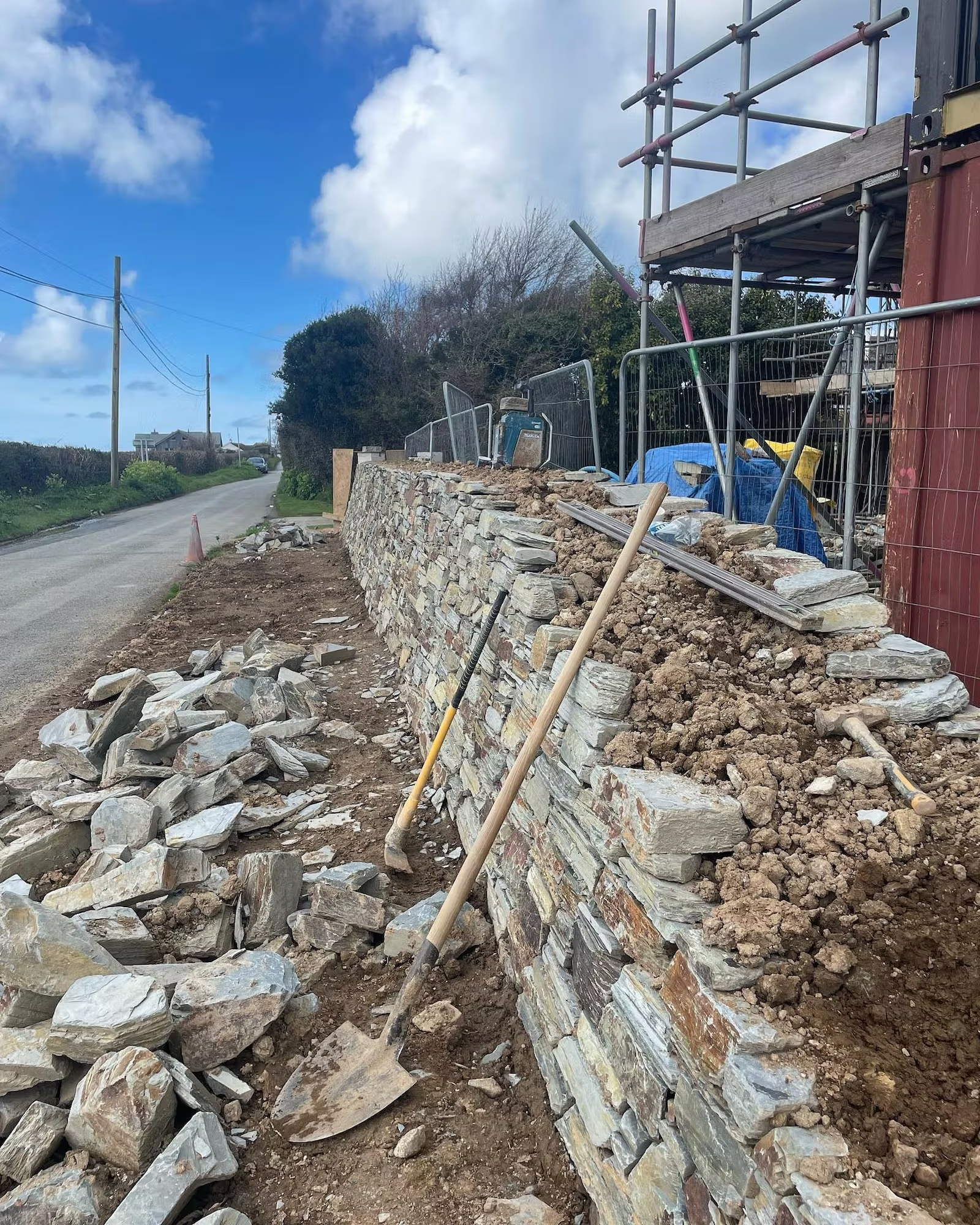
Common materials include reinforced concrete, natural stone, and engineered block systems, each selected based on site requirements and design intent.
Structural Engineering
Walls must be engineered to withstand lateral soil pressure, environmental loads, and long-term exposure conditions.
Challenges in Coastal Retaining Wall Construction
Coastal environments introduce additional challenges that must be carefully managed.
- Salt exposure affecting materials
- High rainfall and water movement
- Restricted site access for construction
- Variable and unstable ground conditions
These factors require a coordinated approach between design, engineering, and construction teams.
Precision Construction and Installation
Accurate construction is essential for the long-term performance of retaining walls. This includes correct foundation preparation, alignment, and material installation.
- Proper excavation and base preparation
- Accurate placement and reinforcement
- Integrated drainage systems
Attention to detail ensures both structural stability and visual quality.
TECHNICAL DEPTH & THOUGHT LEADERSHIP
Designing retaining walls for coastal environments requires advanced engineering knowledge and practical experience. Our TECHNICAL DEPTH & THOUGHT LEADERSHIP approach ensures that each solution is tailored to site conditions and long-term performance requirements.
This delivers:
- Reliable structural stability
- Effective water management
- Durable and long-lasting construction
Warvena Construction Project Approach
Warvena Construction delivers architect-led residential projects across Cornwall, combining engineering expertise with high-quality craftsmanship.
Learn more about our work: Warvena Construction
Building Stable Coastal Homes
Retaining wall strategy is a key element in delivering safe, functional, and visually appealing coastal homes. With the right design and execution, these systems provide long-term stability and support.
If you are planning a coastal residential build, contact us to discuss your project.
Frequently Asked Questions About Retaining Walls
Why are retaining walls important in coastal construction?
They stabilise soil, support structures, and manage water flow on sloped or exposed sites.
What materials are used for retaining walls?
Common materials include reinforced concrete, natural stone, and engineered block systems.
How is drainage handled behind retaining walls?
Drainage systems are installed to prevent water build-up and reduce pressure on the wall.
Can retaining walls fail?
Yes, if not properly designed or constructed, which is why engineering and drainage are critical.
Are retaining walls suitable for luxury homes?
Yes, they are essential for both structural support and landscape design in high-end coastal builds.