Heritage
A Stone Found Almost Nowhere Else in the Country
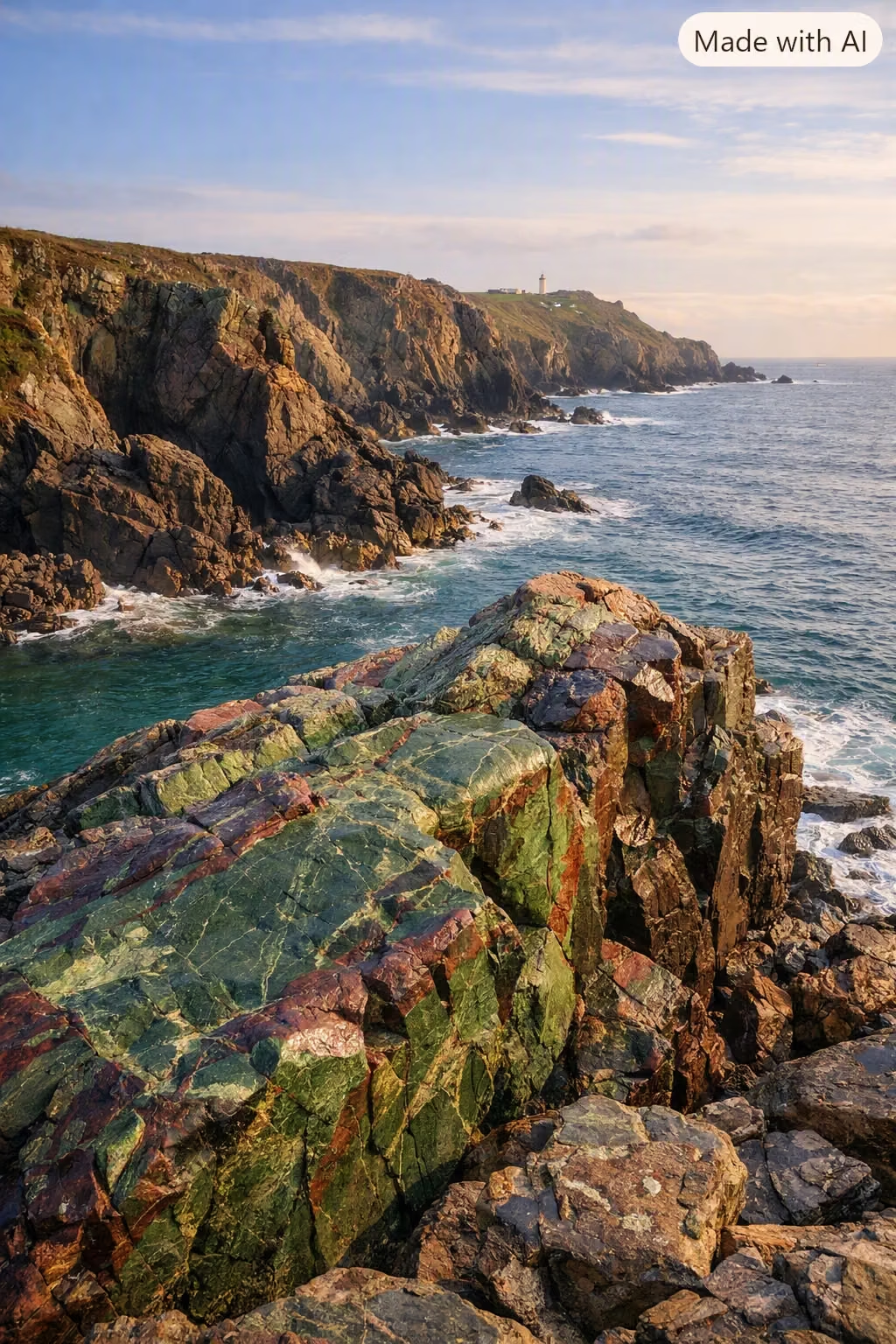
Serpentine takes its name from its mottled, snakeskin-like patterning, and the Lizard Peninsula is one of the only places in Britain where it occurs in workable quantities. Victorian craftsmen turned it into ornamental columns, fireplaces and tabletops that still survive today, and its deep greens, reds and near-black tones remain instantly recognisable to anyone who knows the coastline around Mullion and the wider Lizard.
Performance
Why Serpentine Suits Considered, Detailed Use
Serpentine is softer than granite or slate, which is precisely what allows it to take such a fine polish, but it also means it's typically specified for detailing rather than primary structural or heavily trafficked external work. Benefits our clients consistently see include:
• A polish and colour depth no other Cornish stone can match
• A genuinely rare material tied to a single, specific landscape
• Excellent suitability for feature interior surfaces and detailing
• A striking visual signature that instantly reads as Cornish
Design Language
Using Serpentine as a Statement, Not a Backdrop
On projects along the Lizard and near Mullion, we tend to specify serpentine sparingly and deliberately, a polished hearth surround, a feature stair tread, an entrance threshold, so its rarity and colour are allowed to stand out against simpler, more restrained surrounding materials rather than being lost among them.
Sourcing & Craft
The Specialist Polishing Behind Every Serpentine Piece
Serpentine has been worked by Lizard craftsmen for well over a century, and we source and commission pieces through those same specialist channels, working with masons who understand how to cut and polish the stone to reveal its full colour and pattern without compromising it structurally.
Frequently Asked Questions: Serpentine Stone
Answers to the questions we're asked most often by clients considering serpentine stone for their project.
Where does serpentine stone actually come from?
Serpentine is quarried and worked almost exclusively on the Lizard Peninsula in Cornwall, one of the only locations in Britain where it occurs in usable quantities.
Is serpentine suitable for exterior use?
It's typically specified for interior features and detailing, such as hearths, thresholds and feature surfaces, where its polish and colour can be fully appreciated and protected from heavy weathering.
Why is serpentine more expensive than other Cornish stone?
Its rarity and the specialist skill required to cut and polish it mean serpentine carries a higher cost than more widely available stone like granite or slate, but it offers a genuinely unique finish in return.
Can serpentine be combined with granite or slate in the same project?
Yes, and it often works best that way, used as a deliberate accent feature against the more structural, muted tones of granite or Delabole slate elsewhere in the build.
Related Reading
Serpentine works well as a rare accent within a wider native stone palette. Many of our clients pairing it with more structural material also explore our approach to Delabole slate and native stone across their project.
Bring a Rare Piece of the Lizard Into Your Home
Speak with Warvena Construction about specifying serpentine stone for your next luxury project on the Lizard, near Mullion or across the wider county.