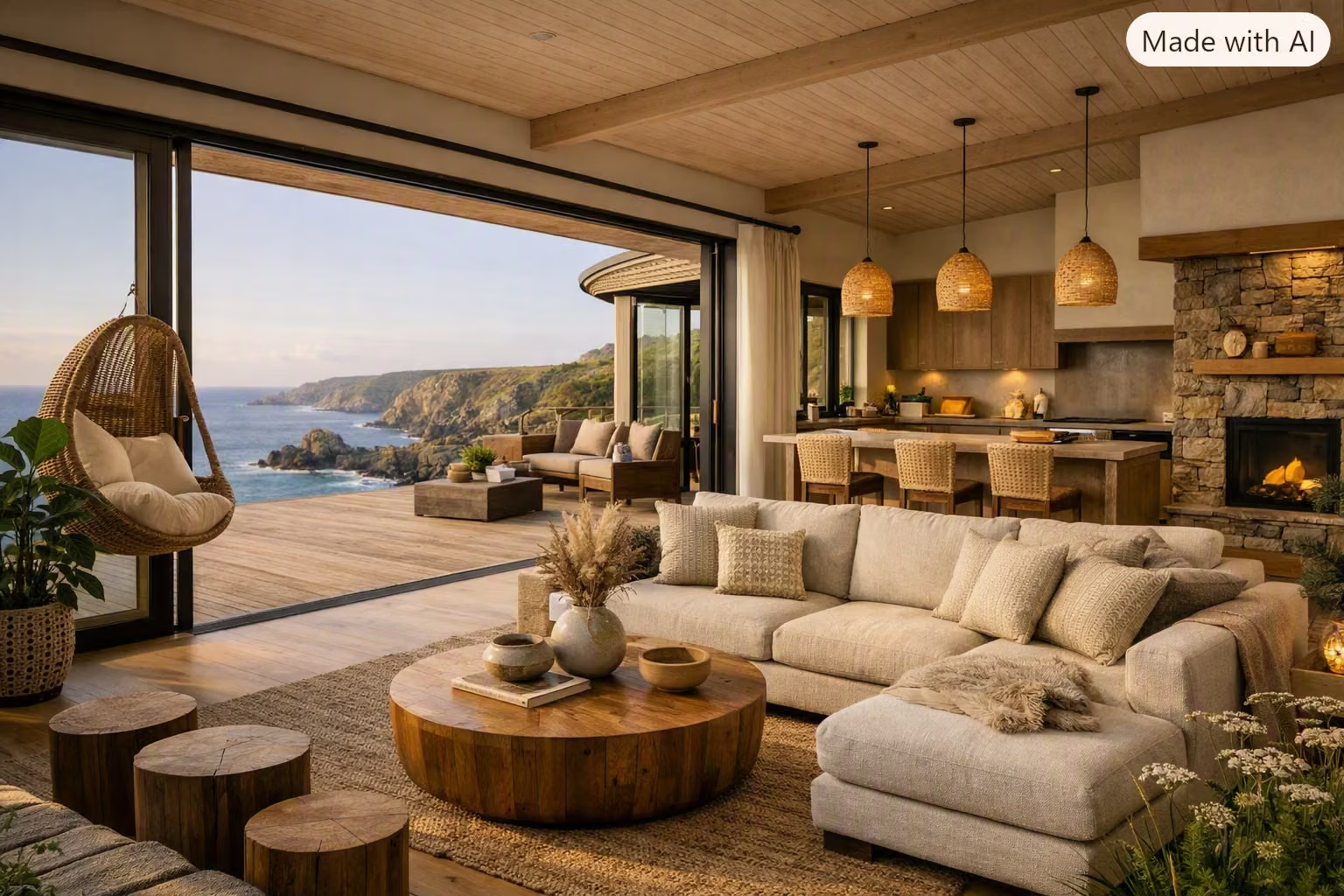
Air Quality
Why Indoor Air Quality Matters in a Luxury Coastal Home
Many conventional paints, adhesives, sealants and composite boards release volatile organic compounds (VOCs) into a home's interior air for months or even years after installation. In a well-insulated, airtight luxury build exactly the kind we deliver across Carbis Bay and Trebetherick poor ventilation can trap these compounds indoors, undermining the very comfort and wellbeing the home was designed to provide. Specifying low-VOC and non-toxic materials from the outset removes this risk entirely, rather than trying to manage it after the fact.
Material Choices
The Non-Toxic Materials We Specify as Standard
Delivering a genuinely healthy interior means scrutinising every material that touches the finished space, not just the visible ones. Across our high-end fit-outs, this typically includes: • Low- and zero-VOC paints and wood finishes throughout • Natural, non-toxic insulation such as sheep's wool or wood fibre • Solvent-free adhesives and sealants for flooring and joinery • Formaldehyde-free engineered timber and cabinetry
Ventilation
Pairing Non-Toxic Materials With Genuine Fresh Air
Non-toxic materials work hand in hand with proper mechanical ventilation. In our airtight, high-performance builds near Constantine Bay, we specify continuous, filtered ventilation systems that not only remove trapped moisture and pollutants but also filter out coastal salt and airborne allergens before they enter the living space. Together, these two elements — clean materials and clean air are what genuinely define a healthy home, rather than either one in isolation.
Design Impact
Healthy Materials That Don't Compromise on Design
Choosing low-VOC and non-toxic materials no longer means limiting a client's palette. Today's natural paints, oils and finishes are available in the same refined tones and textures our clients expect from a luxury interior, and natural insulation performs on par with or better than conventional alternatives. The result is a home that looks every bit as considered as it is healthy to live in.
Related Reading
A healthy interior deserves an equally authentic exterior. Discover why native Cornish materials like Delabole slate remain the defining choice for our most enduring luxury homes in our guide to Delabole slate and native stone.
Frequently Asked Questions: Healthy Coastal Living
Questions clients often ask about low-VOC and non-toxic materials in a luxury interior build.
What exactly does 'low-VOC' mean?
VOCs (volatile organic compounds) are chemicals released by many conventional building materials into indoor air. Low-VOC products are formulated to release significantly fewer of these compounds, improving indoor air quality.
Do non-toxic materials cost more than conventional alternatives?
Some non-toxic and low-VOC products carry a modest premium, though the gap has narrowed considerably as demand has grown, and the wellbeing benefits are considered well worth it by most of our clients.
Will low-VOC paints and finishes limit my colour or texture choices?
No. Leading low-VOC and natural paint ranges now offer the same breadth of colour, sheen and texture as conventional products.
Is non-toxic insulation as effective as standard insulation?
Yes. Natural options such as sheep's wool and wood fibre offer comparable, and in some cases superior, thermal and acoustic performance to conventional synthetic insulation.
Design an Interior That's as Healthy as It Is Beautiful
Speak with Warvena Construction about a low-VOC, non-toxic interior fit-out in Carbis Bay, Trebetherick or Constantine Bay.